The Death of Robin Hood
By Brian Eggert |
In the brutal first few minutes of The Death of Robin Hood, the so-called hero of Sherwood Forest, celebrated for stealing from the rich to give to the poor, demonstrates that his famed generosity may have been a tall tale. Defying Save the Cat! logic that teaches screenwriters to establish a main character’s goodness early on by showing their compassion for something innocent, writer-director Michael Sarnoski shows his Robin Hood killing a young woman, shooting an arrow into a dog’s head, and sending another a hundred yards into the back of a boy’s head and out through his eye. No, this is no hero of English folklore. Rather, Sarnoski is demystifying the Robin Hood legend, and he has a full grasp of how legends are passed down and exaggerated in the oral tradition. These tales find some stability when they’re committed to the page. But even then, later adaptations can take liberties with the material. By then, the truth is long forgotten.
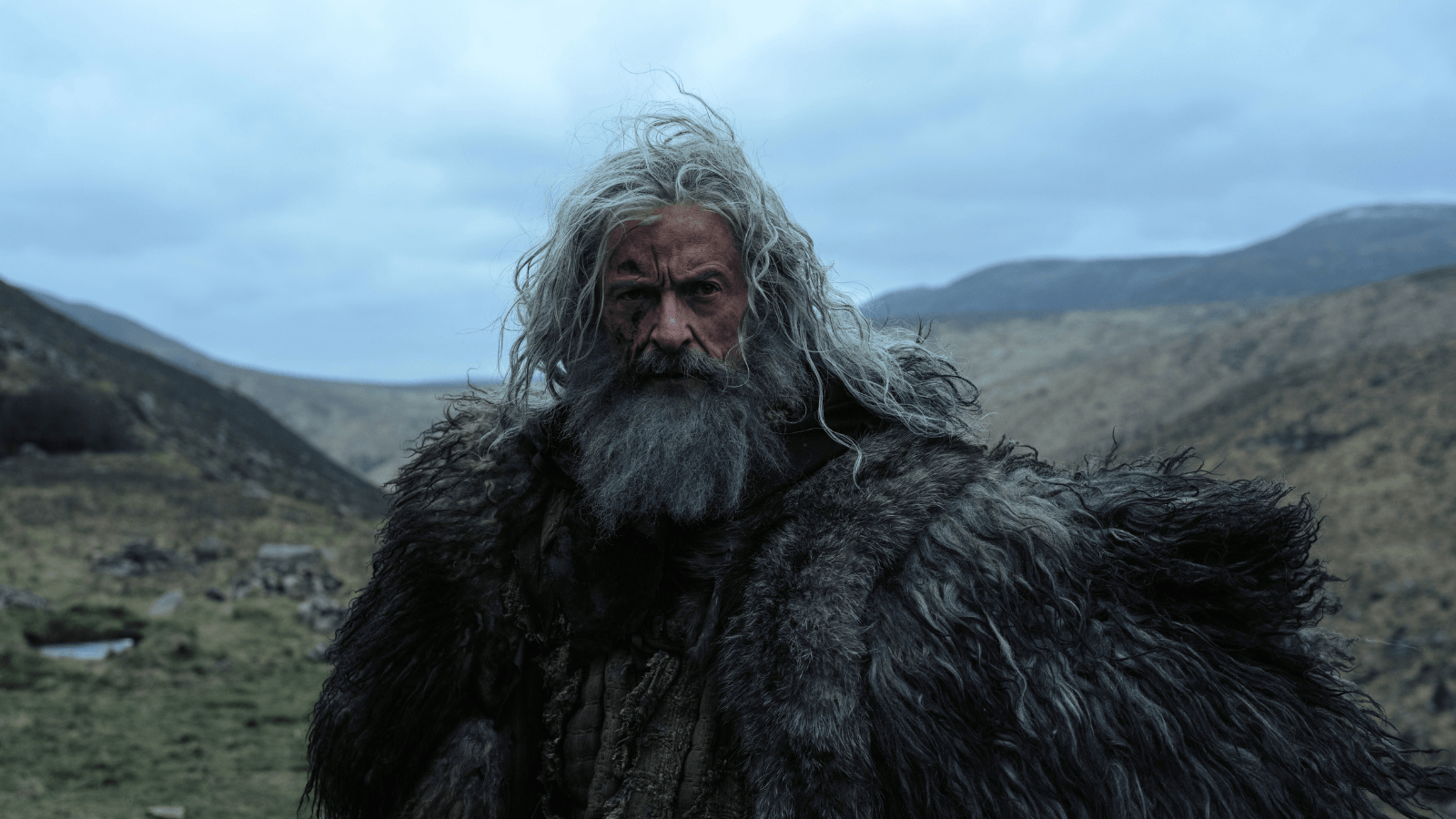
Sarnoski’s film does for Robin Hood what Clint Eastwood did for the American West in Unforgiven (1992). Stripping away the Errol Flynn archetype of a cheery, faultless hero in green tights, The Death of Robin Hood reimagines the archer as a medieval equivalent to John Dillinger or Clyde Barrow—a violent thief and murderer mythologized for clashing with oppressive royals and corrupt officials, at least by those fortunate enough never to have crossed his path. In Sarnoski’s take, loosely adapted from Early Modern English ballads, Robin has killed women, children, and whole families, leaving a trail of blood debts so vast he can no longer remember them all. It is a brilliant stroke of casting, then, to give the role to Hugh Jackman. Having spent the last quarter-century embodying an iconic comic book superhero, Jackman carries a loaded, extratextual weight. Much like Wolverine, his Robin Hood is defined by a checkered past and ensuing regrets.
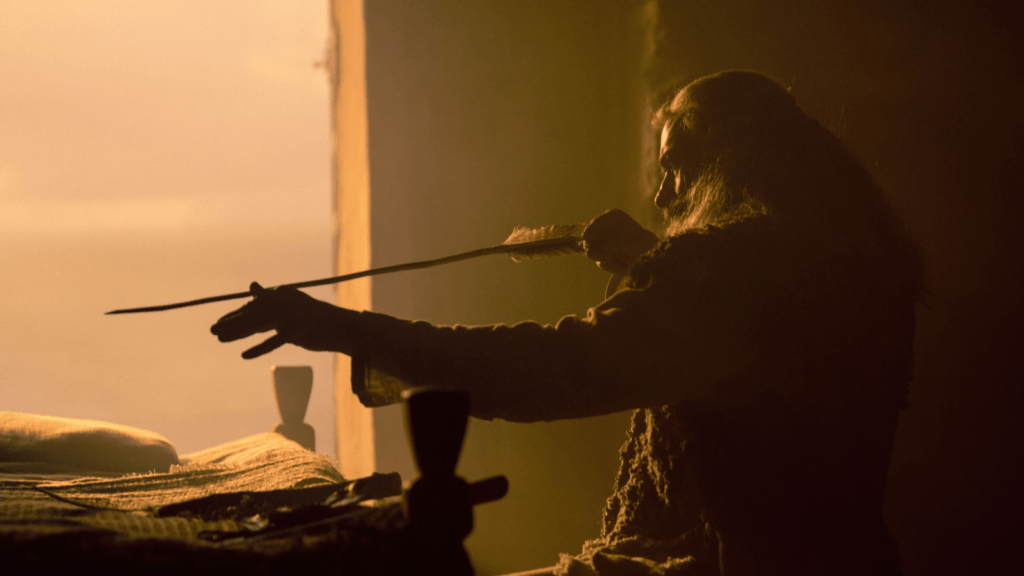
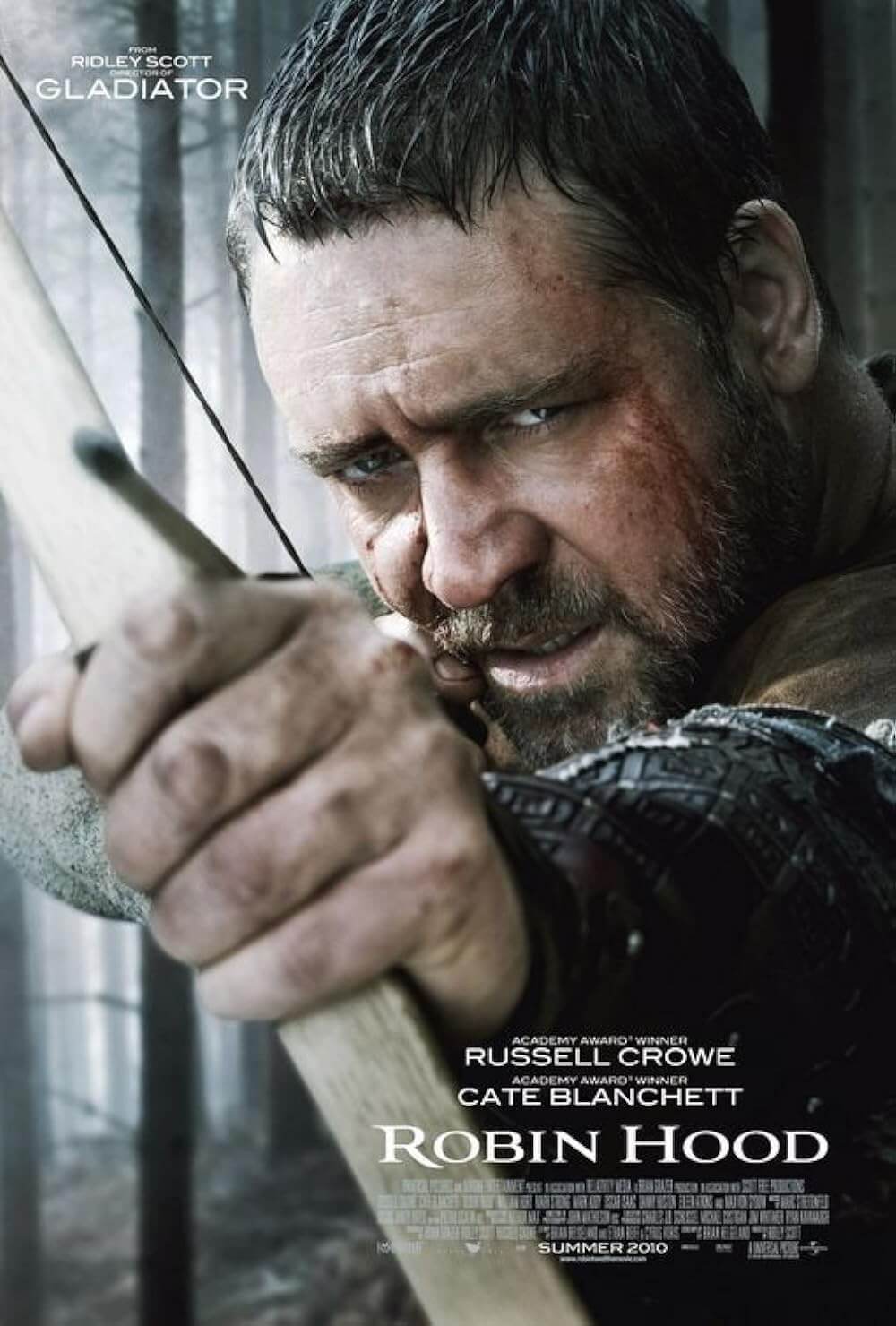
The Death of Robin Hood isn’t the first screen adaptation to add some grit and grime to the legend (see Ridley Scott’s underrated Robin Hood from 2010), but seldom has Robin Hood been so savage. The film opens in 1247, with a bedraggled Robin camping out during a harsh, wintry storm, trying to avoid others. But others come looking, and he buries their bodies among the many stone graves of others who died trying to settle an old score. Robin soon reconnects with Little John (Bill Skarsgård), the sort of marauder who kills a man for a loaf of bread. John, now going by the name Edward, has settled down with a wife and child. But men have stolen his farm and hold his family captive, and he asks Robin for help. Hoping one last outing will finally bring about the death he so desires, Robin agrees and, in the bloody combat that ensues, he takes on severe injuries. John transports him to an island, home to the forgotten and idyllic Priory of St. Clement, to recover.
Six days later, Robin wakes to find his wounds and broken bones mending thanks to the resident prioress, Sister Brigid (Jodie Comer), who John claims has “healing magic.” She single-handedly oversees several children and a dying leper (Murray Bartlett). Fortunately, even as Sarnoski indulges in a cliché redemption arc for Robin, he resists taking the Hollywood route. He also dispenses with any hint of an actionized extravaganza in which our (anti)hero must protect the priory from a new villain. Instead, his redemption of sorts arrives by way of Brigid’s moving speech about “balance.” She begins by sharing that the area used to be home to druids who worshipped forgotten gods, and that the site is now used for healing, representing a kind of yin-yang symmetry over time. Although her speech doubles as an indication of Robin Hood’s potential to reform, it also alludes to her mysterious origins, including a penchant for bloodletting and sneaking off to a nearby cave for some self-care.
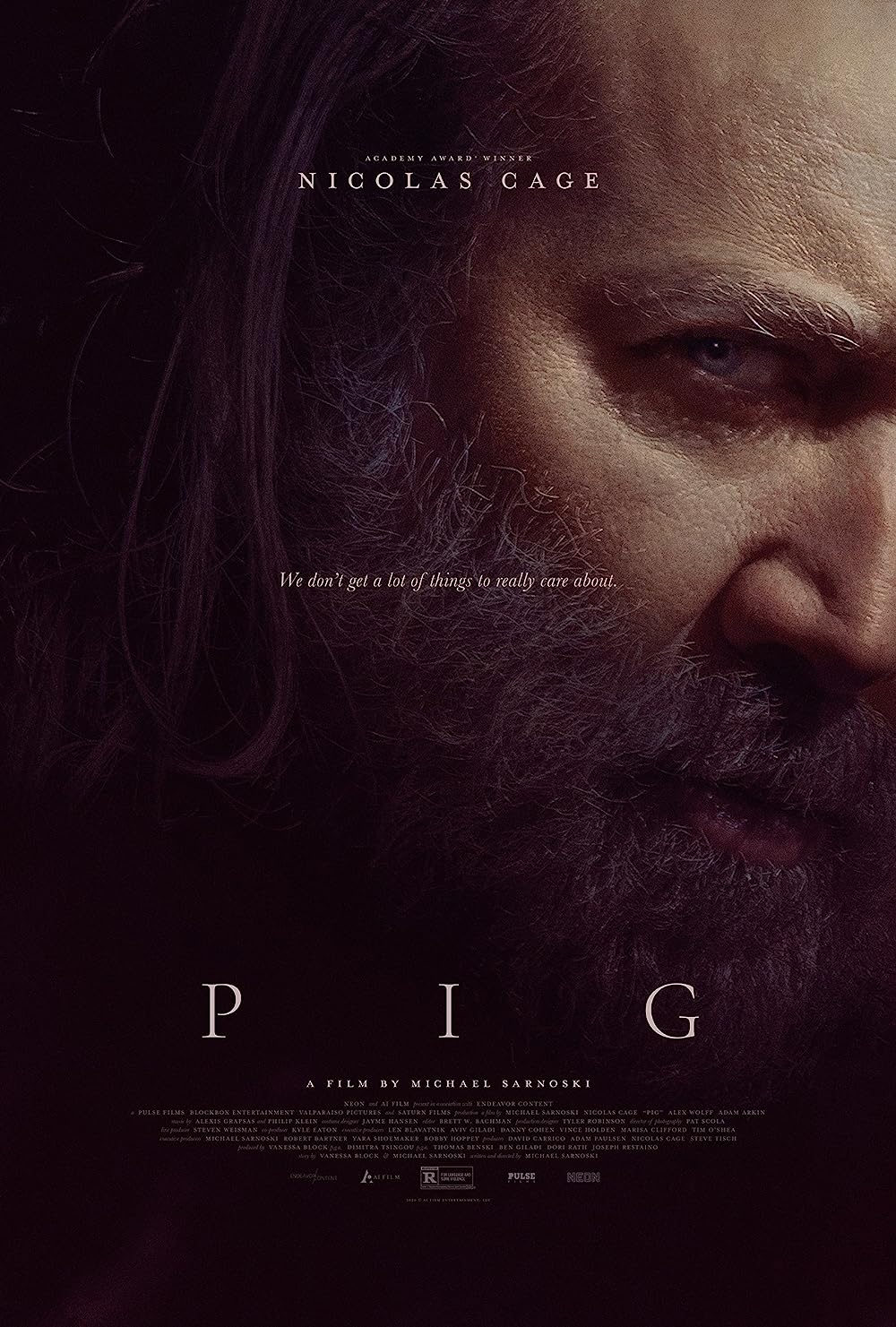
After his debut feature, Pig (2021), released by Neon and featuring one of Nicolas Cage’s finest performances, Sarnoski followed the path of several independent filmmakers: he went Hollywood to helm the franchise prequel A Quiet Place: Day One (2024), a thrillingly effective sophomore effort. The Death of Robin Hood has more in common with Pig beyond the obvious—that both are about bearded, long-haired loners named Robin, both haunted by dark pasts and seeking redemption. It’s also stylistically and budgetarily aligned with his first film. Financed by a small production company and distributed in the US by A24, The Death of Robin Hood isn’t the usual summer entertainment some might expect. It’s a stark, spare piece of work, broodingly paced and beautifully shot by Sarnoski’s regular cinematographer Pat Scola. Initially, the visuals and colors are mostly natural and desaturated; as the story unfolds, they become more vibrant as Robin approaches something like humanity. Production designer David Lee imbues the film with a convincing sense of history, following Sarnoski’s deromanticized approach to a period piece.
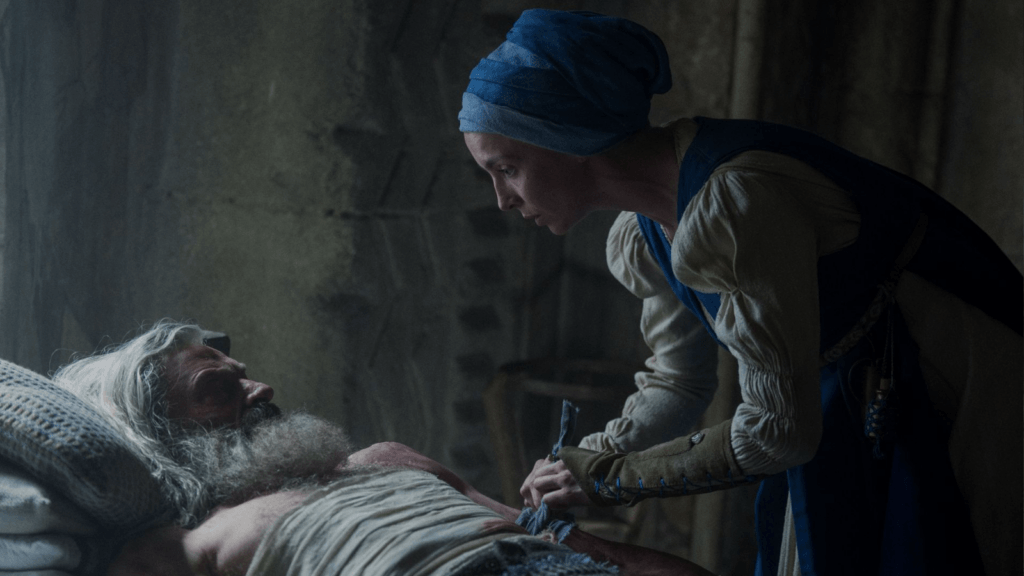
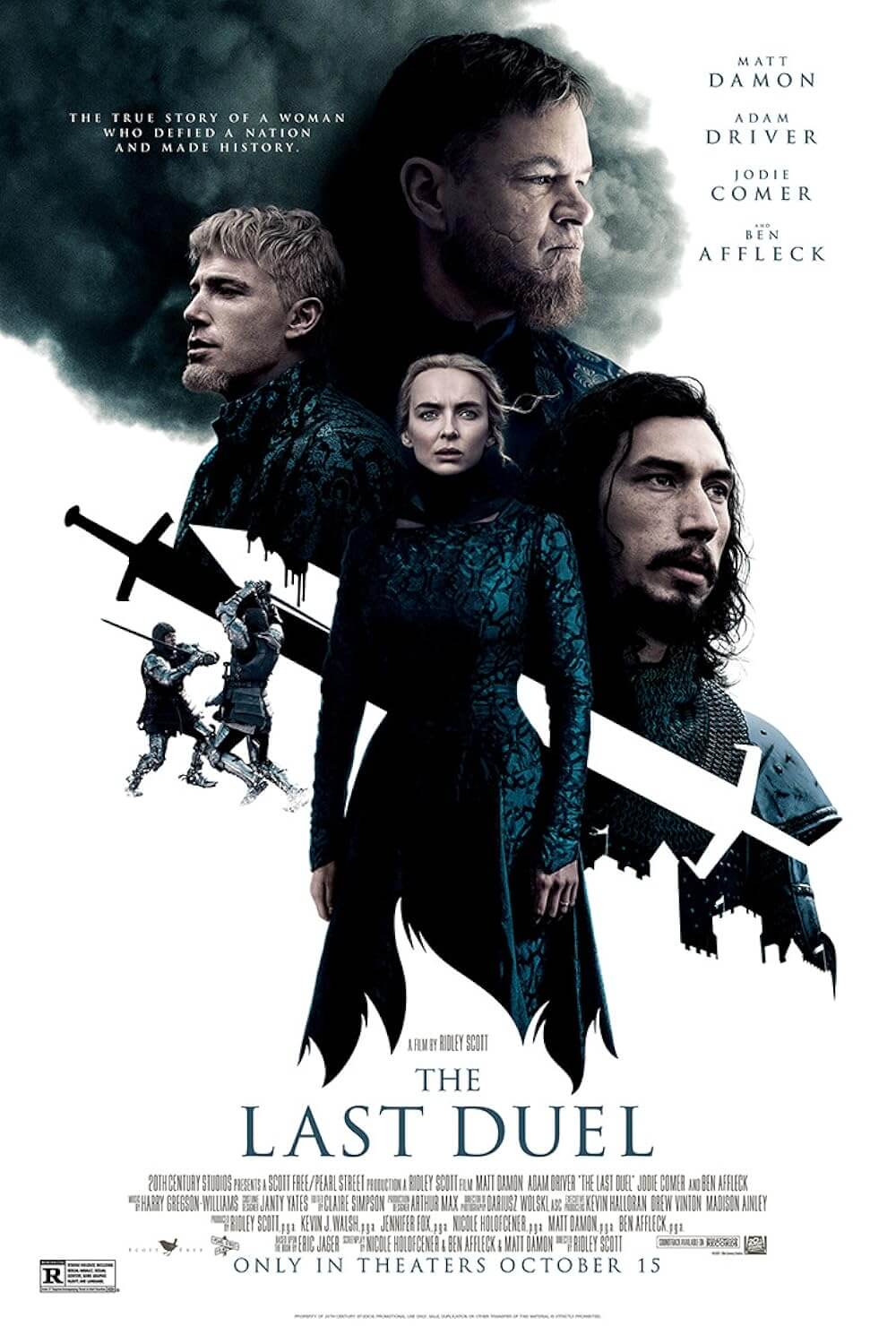
Although Robin kills a child in the first act, his third-act redemption involves two children. First, there is John’s daughter, Margaret (Faith Delaney), who arrives at the priory orphaned, traumatized, and borderline feral. Robin is familiar to her, and his fatherly kindness helps her return to being a little girl again. Then, there’s the boyish young man (Noah Jupe) who arrives at the priory with horrible wounds and an ulterior motive. Sarnoski doesn’t turn these into opportunities for violence—much as Pig could have easily become a gastronomy-focused version of Taken (2009) and even Fight Club (1999) but didn’t. He relies on intimate speeches and his performers to carry the film. With the help of his Gandalf-level beard and silver hair, Jackman disappears into the role. Comer, returning to medieval times after Scott’s superb The Last Duel (2021), proves she’s a chameleon who, with each new film, reaffirms her status as one of the best female performers working today. If there’s a weak point among the actors, it’s Skarsgård, who always seems to be doing a bogus voice.
In the end, Sarnoski evokes the famous line from John Ford’s The Man Who Shot Liberty Valance (1962): “This is the West, sir. When the legend becomes fact, print the legend.” As much as Robin Hood’s self-hatred and welcoming of death drive him, he recognizes the need to inspire and give hope. But rather than an optimistic ending, Sarnoski approaches the death scene with the same measured, intentional pacing as in every moment of The Death of Robin Hood, resulting in a mournful conclusion anchored by a terrific piece of acting from Jackman. The film achieves the balance that Sister Brigid speaks of earlier, which is more complicated than simply embracing the legend. Sarnoski isn’t interested in another action-packed, crowd-pleasing Robin Hood adventure; he asks his audience to recognize that the truth is far more complex, even as he acknowledges that a legend, while not reality, can sometimes have a greater purpose.
Thank You for Supporting Independent Film Criticism
If the work on DFR has added something meaningful to your love of movies, please consider supporting it.
Here are a few ways to show your support: make a one-time donation, join DFR’s Patreon for access to exclusive writing, or show your support in other ways.
Your contribution helps keep this site running independently. However you choose to support the site, please know that it’s appreciated.
Thank you for reading, and for making this work possible.
Brian Eggert | Critic, Founder
Deep Focus Review