The Samurai and the Prisoner
By Brian Eggert |
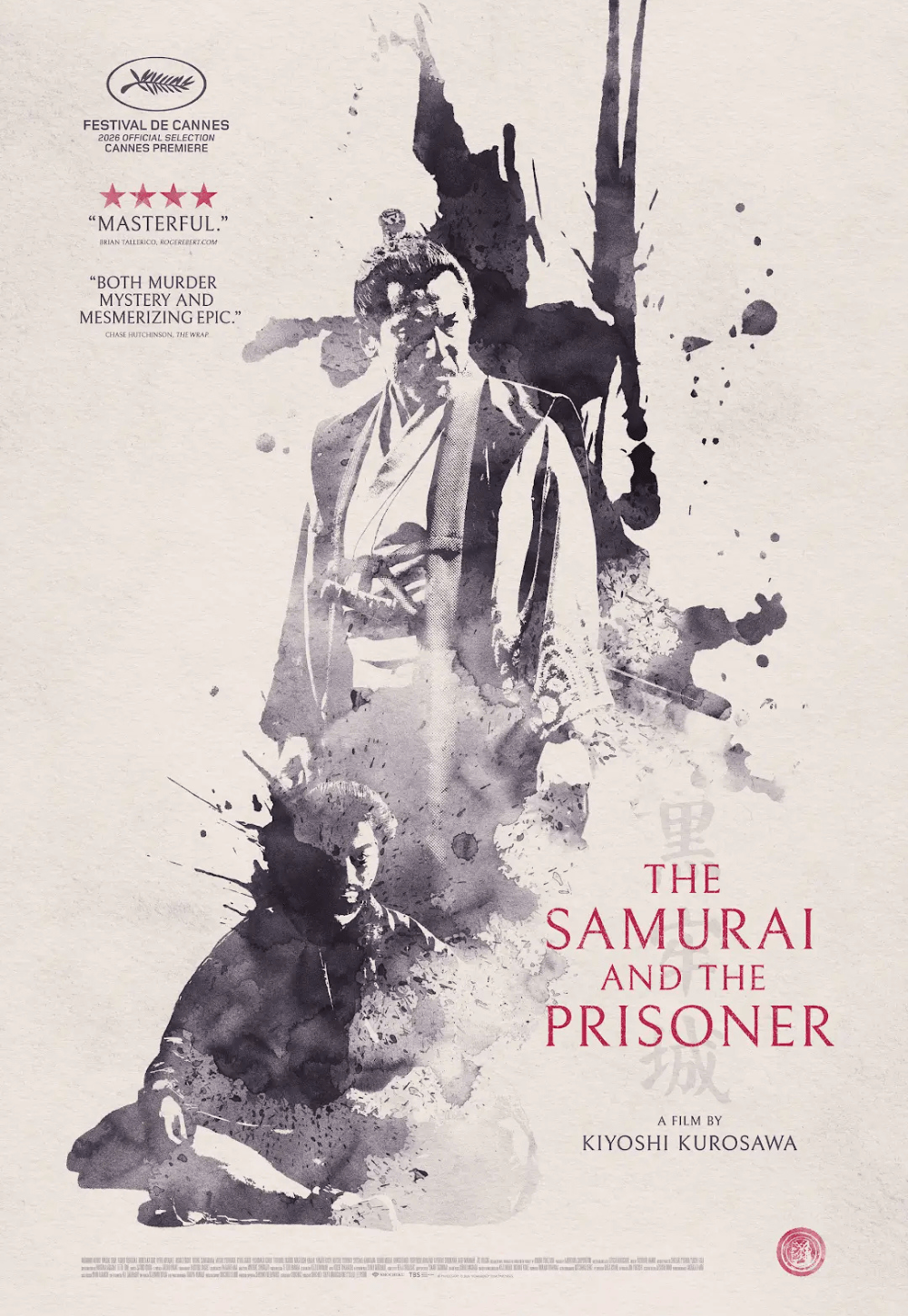
The Samurai and the Prisoner is based on Kokurojo, the 2021 novel by Honobu Yonezawa. The author specializes in mysteries and, here, rethinks a famous chapter of Japanese history: the tale of Lord Murashige Araki. As the story goes, Nobunaga Oda, Japan’s “Great Unifier” of the sixteenth century, promoted Murashige to a feudal lord, or daimyo, and made him a valued retainer in his army. But after sympathizing with one of Oda’s enemies, Murashige turned on Oda and retreated to his seemingly impenetrable Arioka Castle in the Settsu Province. Eventually, in 1579, Oda’s forces overtook the castle, but by then, Murashige had already abandoned his home and those loyal to him. He lived out the remainder of his days as a teamaster. Director Kiyoshi Kurosawa’s adaptation of this book and historical account takes place almost entirely within Arioka Castle, abandoning the story’s traditional lessons about betrayal and cowardice for a more thoughtful and emotionally intelligent perspective on Lord Murashige’s actions, all brilliantly contained within a series of four interconnected mysteries.
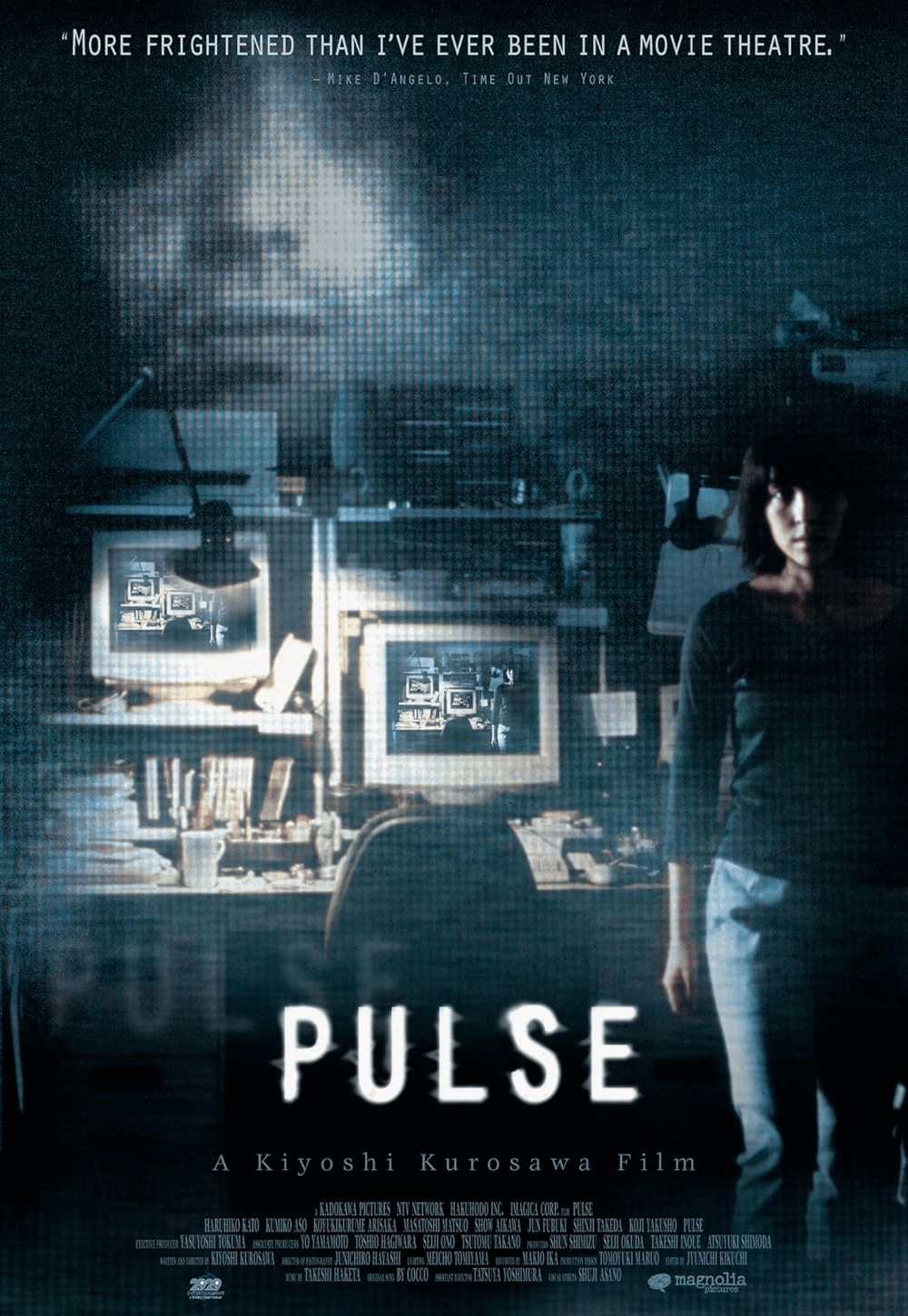
It’s also another masterful exploration of genre by Kurosawa, whose career began in the Japanese soft-core pink film arena before helping to introduce the world to J-horror with his unsettling Cure (1997) and the popular Pulse (2001). The 71-year-old auteur’s filmography has only grown more varied since, ranging from psychological thrillers (Creepy, 2016) to Spielbergian sci-fi (Before We Vanish, 2017) to wartime drama (Wife of a Spy, 2021). But not until The Samurai and the Prisoner has Kurosawa made a samurai film. As one might expect, it’s unlike any other feature in his career, but it’s also distinct for the genre, unfolding like a four-episode miniseries, with each chapter set in a different season. The story opens in 1578, a year before the fall of Arioka Castle. Murashige (Masahiro Motoki) is safe inside and scheming to turn Oda’s other retainers against him. But a series of curious murders worthy of Agatha Christie or John Dickson Carr (or lately, Rian Johnson) prompts a series of investigations carried out by the castle lord.
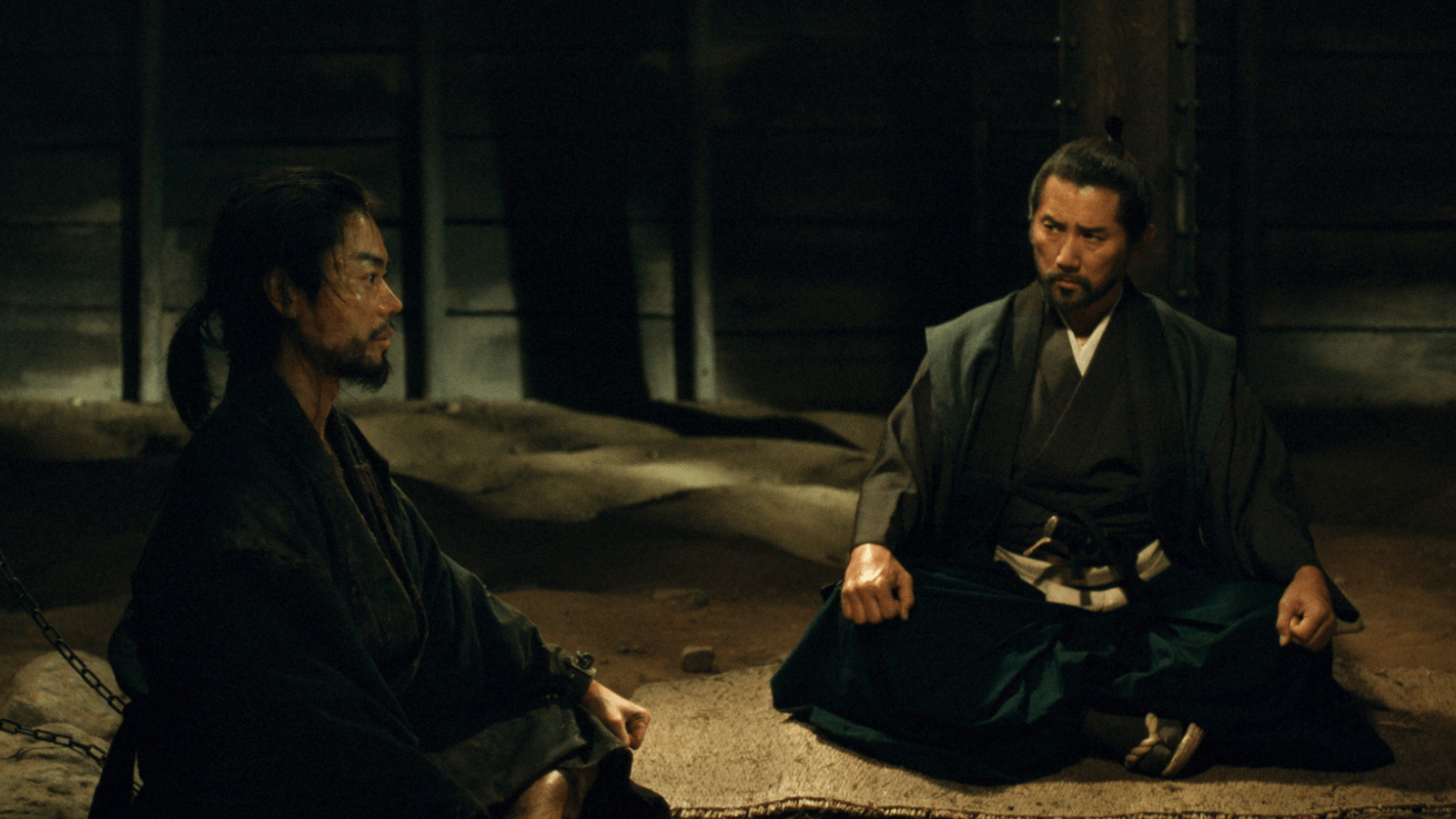
The arrival of Oda’s envoy—the master strategist Kanbei, played by Masaki Suda, who starred in Kurosawa’s excellent Cloud last year—prefaces the murders. Old friends with Murashige, Kanbei visits to discuss the dissenter’s plans, which he quickly puts together. Recognizing this, Murashige detains Kanbei and keeps him chained in the dungeon, even though samurai custom requires that envoys not be held prisoner. Kanbei would rather die than not return to Oda, who might interpret Kanbei’s absence as switching sides and resolve to punish his 11-year-old son. However, Murashige has come to despise taking lives; he’s seen enough killing and sees no need for more. This is the underlying reason for turning his back on Oda. Remaining in Arioka Castle spares him from fighting for or against Oda, while trying to bring an end to Oda’s rule will stop further bloodshed. One gets the sense that Murashige would rather be concocting new tea recipes than running a castle; throughout the film, Murashige delights in making his guests elaborate libations.
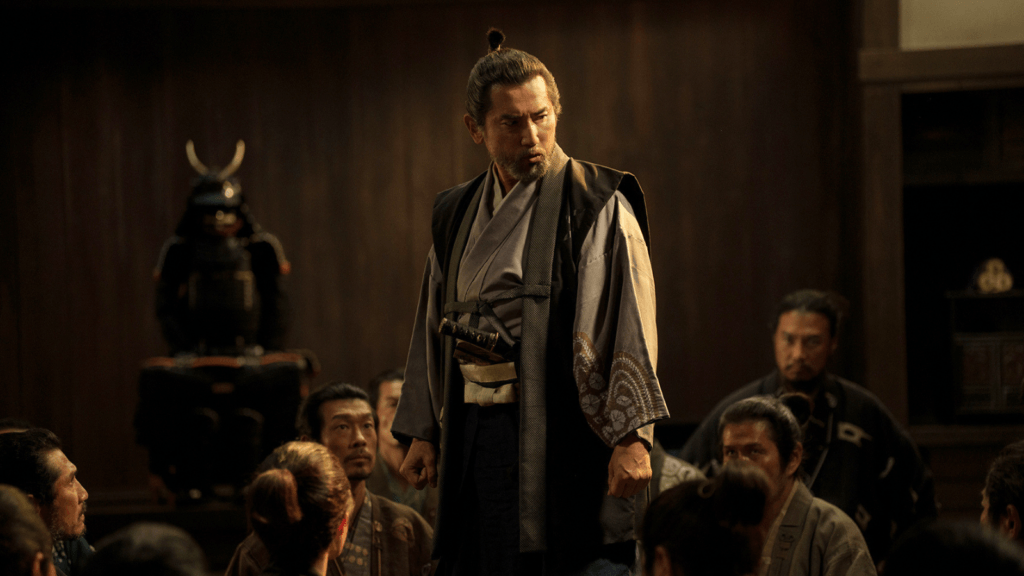
The first murder, set in winter, takes the form of a locked room mystery. Jinen, the son of a fallen lord, pleads with Murashige to take his life. This would be an honorable death, and what’s more, Murashige’s devoutly Buddhist wife Chiyoho (Yuriko Yoshitaka) wants to ensure the boy’s passage into Paradise. But once more, Murashige sees no reason to needlessly take a life, even though it means going against the samurai code. Not long after refusing to kill Jinen, the boy is found dead in his well-guarded room, a small arrow wound in his back. Chiyoho believes this is divine punishment and tells her husband that “your mercy has incurred karma” with Jinen’s “uncanny death.” Others believe it’s a Christian curse. With his soldiers whispering about whether he broke his word and executed Jinen, Murashige must find the culprit before his men lose faith in him. He investigates like a detective, interviewing witnesses and logging their testimony. But when he comes to a dead end, he takes the case to his prisoner, Kanbei, whose strategic mind helps solve the case.
What follows are more uncanny murders, each with a strange and inexplicable wrinkle. In spring, a general’s death in battle comes into question when his head is distorted, suggesting a curse or possibly a severed-head switcheroo. In summer, Murashige plans to deceive his enemies with a faux surrender, but the murder of his messenger, a solitary priest on a secret mission, leads to the reveal of a turncoat. And once the traitor is exposed, he’s almost immediately killed with a bullet and a lightning strike. In each case, the imprisoned Kanbei assists Murashige in finding a solution, and it’s clear he’s always a few steps ahead. Gradually, it becomes apparent that Kanbei’s mind is sharper than a sword. In one scene, a guard beats him, so Kanbei manipulates him with lies until he can use the guard like a puppet.
The Samurai and the Prisoner is Kurosawa’s most formally classical picture to date, with lavish period costumes and sets. Cinematographer Yasuyuki Sasaki lends a stage-like quality to interior scenes, with well-lit set pieces that have a theatricality to them. Even the exterior sequences, including a samurai battle, adopt this look, suggesting an artificiality to everything onscreen—as though nothing is quite as it seems. Despite the potential for action scenes, Kurosawa isn’t interested in conveying thrilling violence for entertainment value. After all, the setup of daimyo clashing in feudal Japan has been the root of many actionized jidai-geki (period drama) and chambara (sword-fighting movie), common genres in Japanese cinema. But Kurosawa is more discerning and philosophical than that, using a historical tale and murder mysteries to get at something deeper. He’s not interested in luxuriating in the period or genre, nor in pampering his terrific actors with showy dialogue or indulgent scenes. And though the film runs 147 minutes, there’s not an ounce of fat on the production. It’s straightforward, contemplative, and one of Kurosawa’s best films to date.
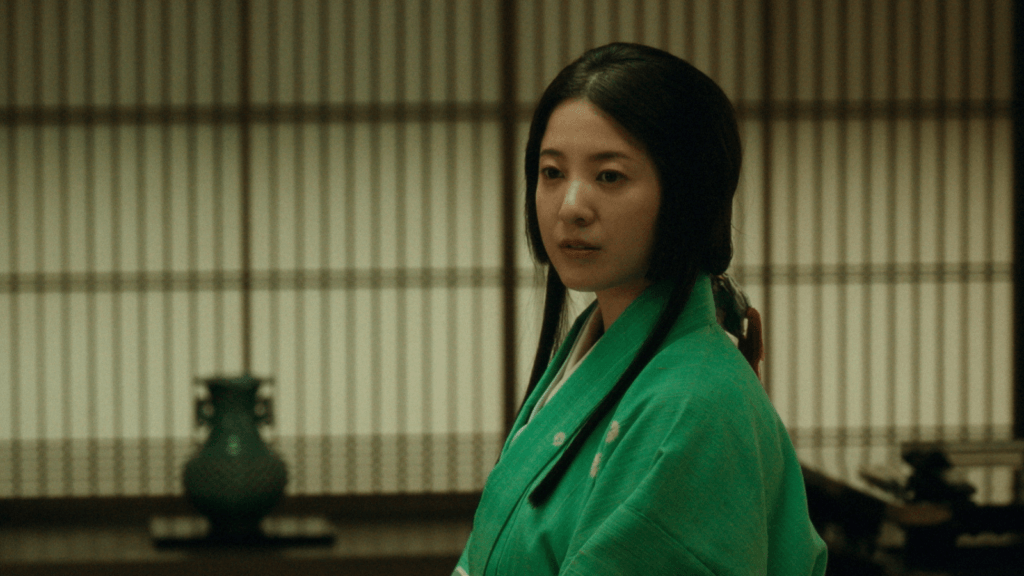
The director’s approach aligns with Murashige’s worldview that killing is unnecessary. Of course, Murashige does kill when the need arises, but each death weighs on him. Similarly, the director doesn’t dwell on escapist action for his audience to enjoy. Rather, The Samurai and the Prisoner takes a sobering view of death and eventually leads to a critique of the reasons people invent to make violence. This theme emerges in the final chapter, when Murashige learns about the deceptions that have been pushing and pulling him for the last year. Kurosawa empathizes with Murashige, a character who is historically depicted as a coward or a tragic survivalist for defying samurai customs and abandoning his household to escape Oda’s takeover of the castle. But Kurosawa considers the emotional toll on Murashige, seen in his memories of the horrible things he did for Oda. By contrast, his zealous wife is driven by trauma and terror. Having survived no end of wartime killing in her life, Chiyoho resorts to an insane logic to prove the Divine is real, if only to bring herself comfort.
The brilliance of The Samurai and the Prisoner lies in how Kurosawa thoughtfully uses genre to interrogate the often irrational motivations behind violence. What begins as an episodic collection of murder mysteries wrapped in a period drama builds into a timeless critique of those who wage war with no concern for the common people who end up being collateral damage. Their reasons usually involve a desire for political power and control, and they often exploit patriotism, nationalism, and religious belief to justify their actions and compel their soldiers. A haunting refrain in the film’s last act, “Advance to Paradise, retreat to Hell,” becomes a manipulative battle cry designed to rationalize all manner of crimes against humanity. But Murashige, and through him, Kurosawa, believes that Paradise isn’t reserved for those who head into battle; it’s also for the meek. Kurosawa’s pensive film is among his best and most intentionally arranged, using its setup like a well-structured argument. The story’s mysteries and intrigue keep us rapt until the framework reveals itself and, upon reflection, leaves us with much to consider in the hours, even days to follow.
Like DFR? Support us.
This site exists because readers like you care about film. If DFR has enriched your experience with movies, I’d be grateful for your support. You have a few options:
• Join DFR’s Patreon community
• Make a one-time donation on PayPal
• Buy me a coffee
Whatever option you choose, it helps keep my work independent. And it means a lot to me.
Thank you for reading, and for making this work possible.
Brian Eggert | Critic, Founder
Deep Focus Review