Romería
By Brian Eggert |
In Romería, Catalan writer-director Carla Simón investigates her past in an autofictional drama about a subject that has influenced her work since the beginning. Born in 1986, Simón spent much of her childhood living with an uncle; her parents had died from AIDS in the early 1990s. Her parents were among many to experiment with drugs in the immediate post-Franco era of Spain’s history, during the country’s transition to democracy, when a newfound freedom led to a radical counterculture and widespread overindulgence. Addicted to heroin, her parents contracted their fatal disease from sharing needles. Losing them at such a young age shaped her subsequent work, including her debut feature, Summer 1993 (2017), a fictionalized account of the period following their deaths. Romería is a film about digging up buried secrets. In part, the protagonist relies on artifacts—her mother’s diaries, old photos, and memories of those who knew them. Another aspect of the film is spiritual, indicated by the title’s translation: romería is a Spanish word for a pilgrimage, a journey of enlightenment.
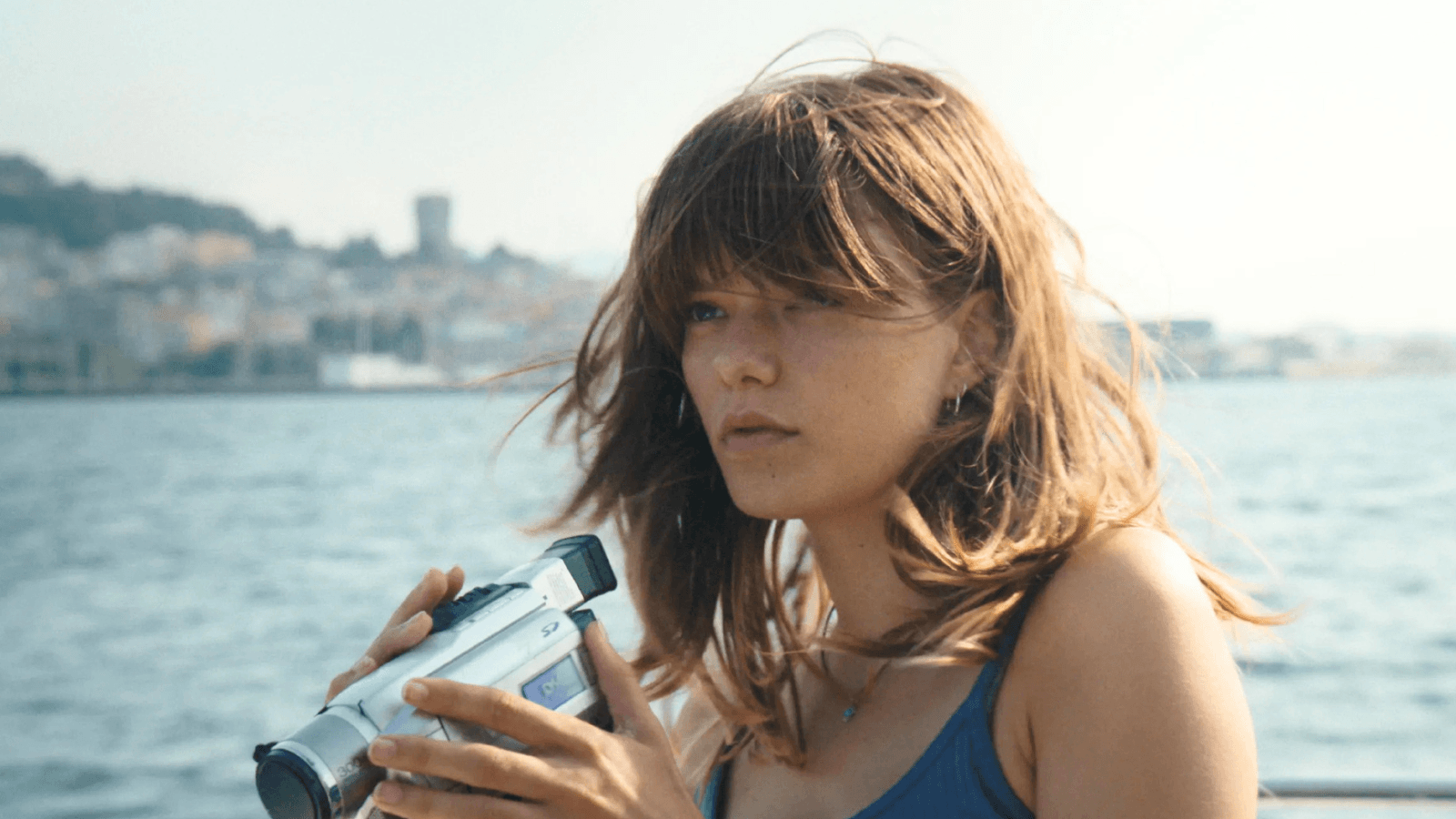
Newcomer Llúcia Garcia Torras stars as Marina, the filmmaker’s 18-year-old onscreen counterpart. The year is 2004, and Marina travels to meet her grandparents and several aunts and uncles for the first time. But it’s less about a long-overdue family reunion than a matter of her father’s death certificate, which fails to mention her. Only after her grandfather attests to Marina’s place in the family can she apply for a scholarship and attend film school (as Simón did). She arrives in Vigo, a picturesque port city on the Atlantic, drenched in sun and surrounded by the Cíes Islands. Her camcorder in hand, she records images of the sea and her extended family, all of whom know more about her parents than she does. But they also share conflicting accounts about where her parents lived and what their situation was. Some tell her she looks like her mother; others say she looks nothing like her. Many of the stories she knows about them have been falsified to protect her, but mainly they preserve the family’s reputation.
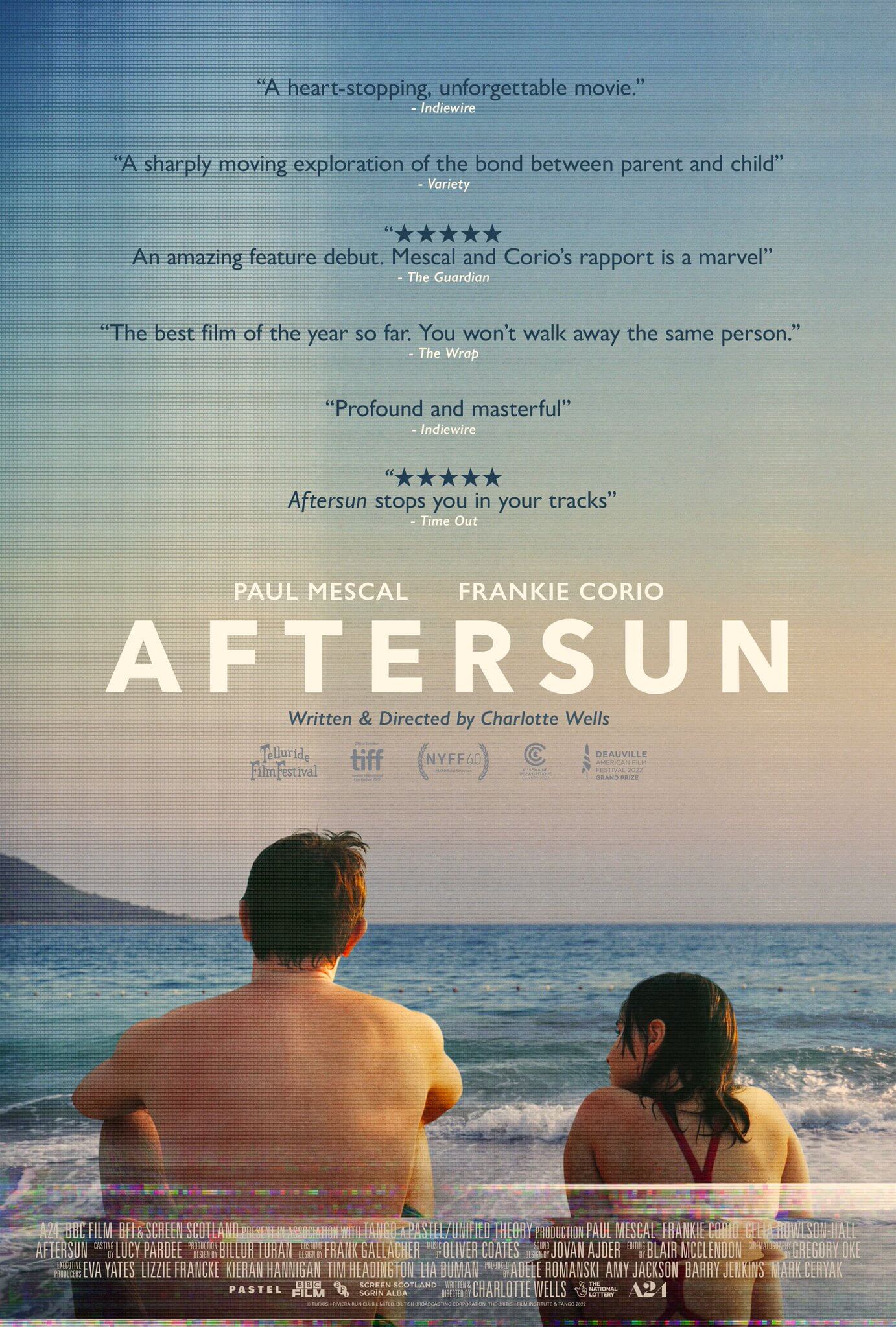
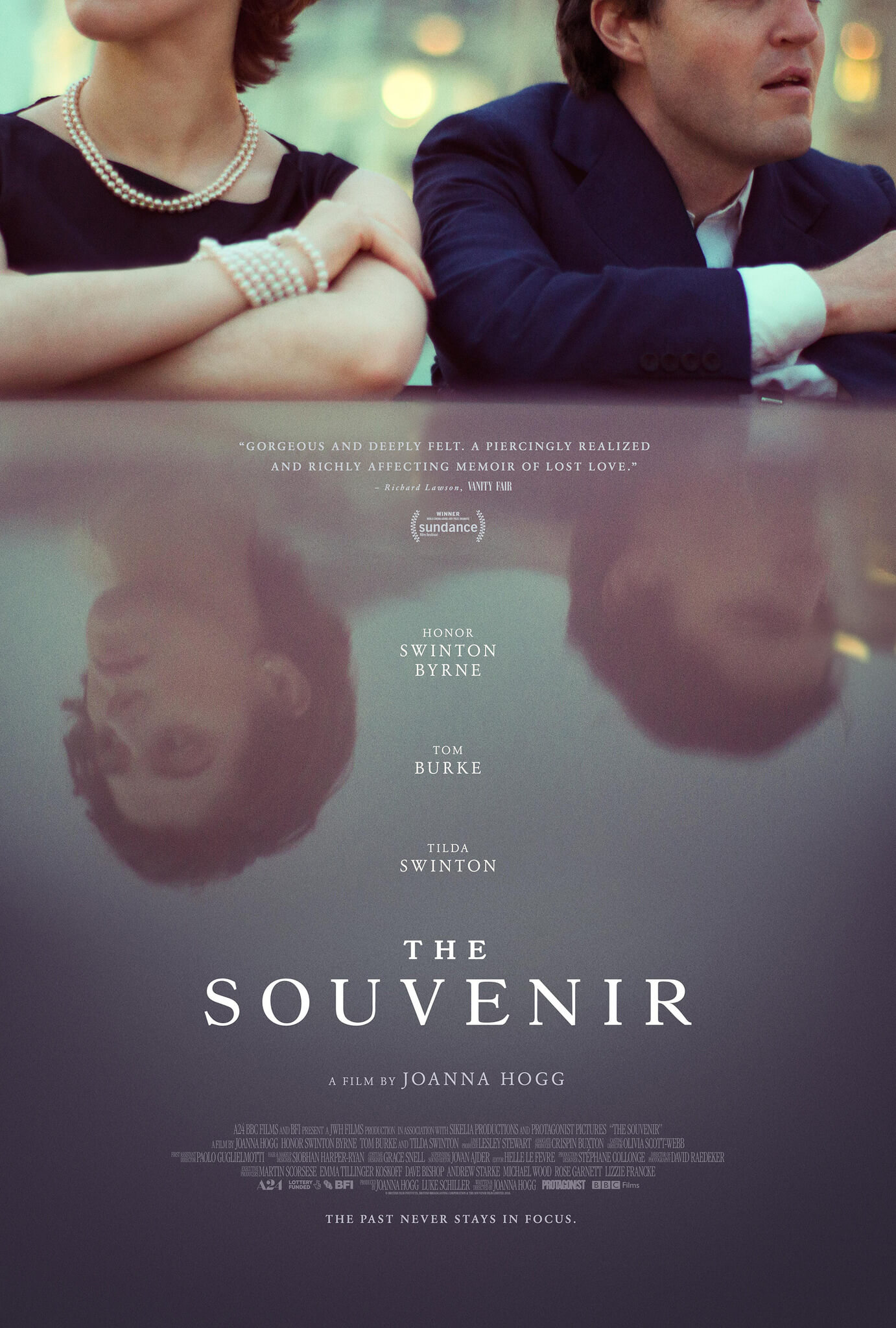
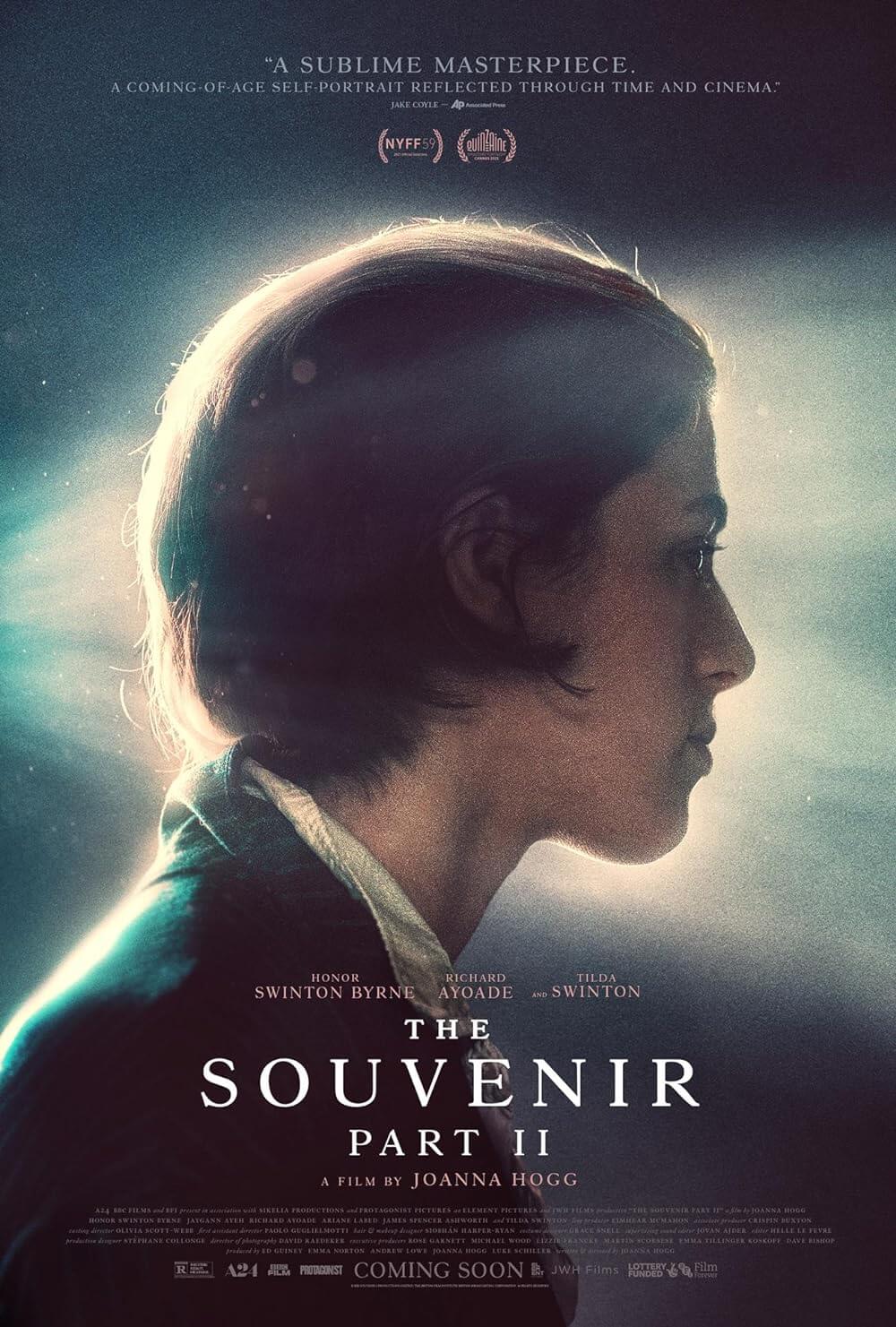
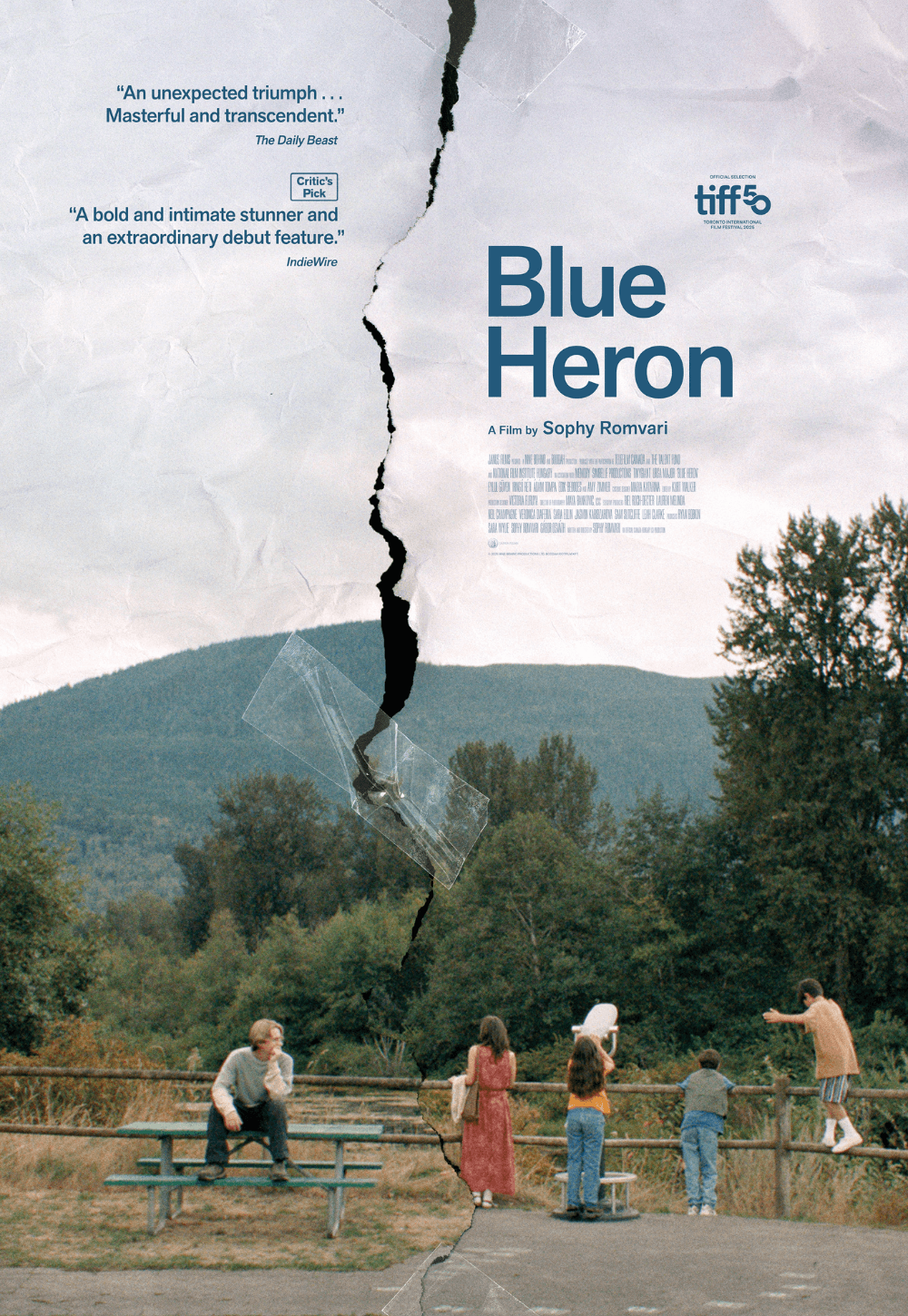
Romería has the familiar quality of Joanna Hogg’s two Souvenir movies, Charlotte Wells’ Aftersun (2022), and Sophy Romvari’s Blue Heron (2026), similarly autofictional films about young women who will eventually use their art to work through their complex relationships with their parents. How fitting that Simón’s latest opens with footage from Marina’s consumer-grade DV camera, creating that shaky effect of early 2000s camcorder movies. And (as with Hogg, Wells, and Romvari) Simón links the theme of reviving the past with memory and visual evidence to find closure. Upon Marina’s arrival, there’s a whirlwind of introductions and personalities to consider among her various aunts, uncles, and cousins, who jokingly—but no less cruelly—refer to her as “orphan” and mock her for not wanting to partake in alcohol or cannabis. Understandably, she’s afraid to end up like her parents. Her cousins become the most reliable source of truth, as they expose their elders’ contradictory stories and the poorly kept secrets about her parents. Among them, Marina learns her father died later than she originally thought. “Didn’t you know?” becomes a common refrain.
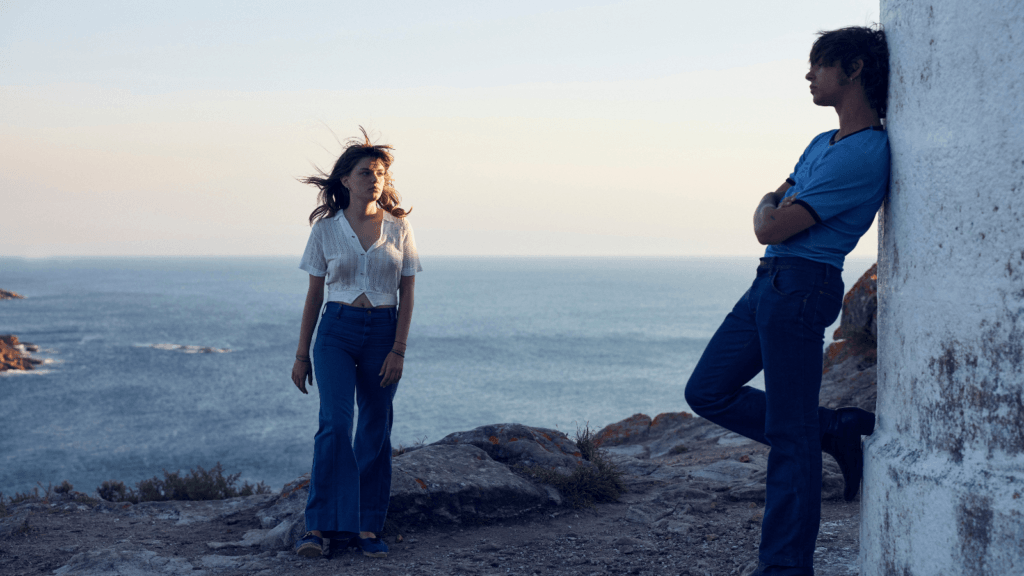
Although her trip is ultimately about getting into college, she uncovers what her parents represented to the family, and by extension, what she represents. Her snooty grandmother (Marina Troncoso) has ostensibly disowned her, and her grandfather (José Ángel Egido) would rather give her an envelope fat with cash than sign a document that binds him to Marina’s father. The stigma has been passed down to her young cousins, who were warned not to touch Marina’s blood, fearing that she might’ve been born with AIDS. Few of these family members, such as her uncle Iago (Alberto Gracia), are honest with her. Iago explains that her parents used and sold heroin. Some are outright rude and dismissive of her presence. Others are oddly intimate, such as her clothing designer aunt who turns her father’s military shirt into a dress for her—another artifact of the past.
Simón employs a loose structure with onscreen titles marking the mid-July dates of her visit, along with chapter titles such as “Will I find a trace of my biological parents?” and “Who would I be if my father had raised me?” The film becomes a diary-like collage of sorts, with fuzzy, docu-style images from Marina’s camera as her disembodied voiceover reads from her mother’s diary. The blending of Marina’s footage and her mother’s words, combined with the rather arch string score by Ernest Pipó, lends the drama an almost conspiratorial undercurrent. But the music feels incongruous with Marina’s inwardness and passivity in most scenes. Perhaps it’s an intentional choice, mirrored in a similar contrast between the wounded family and its dark history against the warmth cinematographer Hélène Louvart captures in the gorgeous setting.
Despite her character spending the first two acts quietly learning and observing, Garcia lends more presence than personality to her role. This is not to suggest Marina is underwritten, but her quietness throughout reflects her processing the mysteries of her origins and the emotional scars her parents left on their family. Only in the final third does she become an active player in her story, albeit in a dream sequence in which she imagines herself with a counterpart to her father, acting out her mother’s diary. They make love in seaweed, shoot heroin, and eventually split because of their desperate situation. These scenes show Marina’s understanding of how her parents lived, suggesting a degree of closure and renewal from her trip. The one constant throughout Romería is the sea and its beauty, which serve as a bonding agent amid the fractured parts of her parents’ family. Simón’s (perhaps too many) ponderous shots of the coast lend the film a dreamy quality, building an almost mythical otherworldliness around her parents’ past and her removal from it. However, even with the questions that remain unanswered, Marina’s search is not without some measure of catharsis and revival. Doubtlessly, the same can be said of Simón and her efforts on this film.
Thank You for Supporting Independent Film Criticism
If the work on DFR has added something meaningful to your love of movies, please consider supporting it.
Here are a few ways to show your support: make a one-time donation, join DFR’s Patreon for access to exclusive writing, or show your support in other ways.
Your contribution helps keep this site running independently. However you choose to support the site, please know that it’s appreciated.
Thank you for reading, and for making this work possible.
Brian Eggert | Critic, Founder
Deep Focus Review