Forastera
By Brian Eggert |
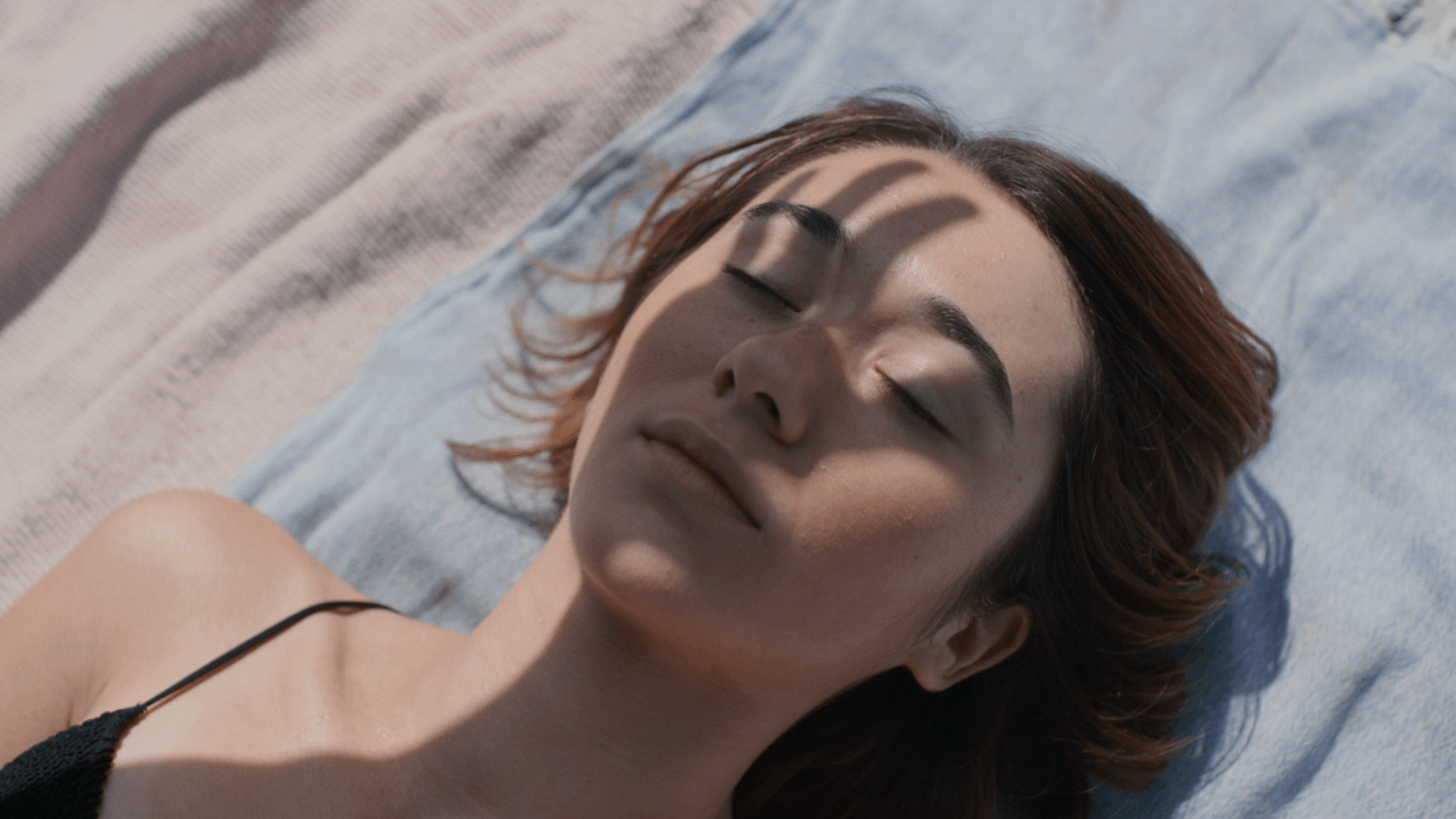
Lucía Aleñar Iglesias’ debut film, Forastera, is a work of quiet mystery and refined intention. An expansion of her 2020 short film of the same name, the film’s Spanish title translates to Outsider, alluding to the strange ghost story and, possibly, possession movie that follows. But the writer-director’s methods are not those of so many modern horror filmmakers. If there is a ghost in Forastera (and that’s a question that remains unanswered throughout), Iglesias sees it not as a malignant presence but as an idea that inhabits grieving loved ones. Her film is about adolescence, when external influences can completely reshape people. During this time, a powerful force or event in one’s life can dramatically alter one’s identity. That is what happens to Cata, a high school senior played by Zoe Stein, who gives a terrific, nuanced performance. What unfolds is both a coming-of-age tale and an uncanny exploration of selfhood eroding in the wake of a significant loss.
Cata and her younger sister Eva (Martina García) spend their summer vacation with their grandparents in Mallorca. They pass their days at the beach and in the crystal blue waters of the Mediterranean. Their grandmother, Catalina (Marta Angelat), teaches them how to bake and cook. Their grandfather, Tomeu (Lluís Homar), plays card games with friends and slowly completes work on their new terrace overlooking the sea. Although the home appears new and elegant, it has a long history. The overhead light in the kitchen, for instance, flickers—the source of the grandparents’ joke that the house has a ghost. Cata’s lazy, sun-drenched afternoons and casual summer fling with Max (Nonni Ardal Hammarström), a college-bound boy from Sweden, soon come to an end when she returns one night to find her grandmother has passed away.
Iglesias’ portrait of grief is filled with small but poignant moments, such as when Cata and Eva lie together in bed as Tomeu cries in the next room. The sisters stare at each other silently, communicating a complex array of feelings in their wordless exchange. The next morning, they share a pastry, perhaps the last thing their grandmother made for them. Their mother, Pepa (Núria Prims), soon arrives at the house to help make arrangements. They go through Catalina’s closets, try on clothes, and decide what to keep and what to donate. Their mother tells them not to wear the garments inside the house, concerned that Tomeu, who is shaken and raw from the loss, may react badly. Cata ignores the request. Perhaps it’s because she was named after her grandmother, or simply because she misses her, but Cata replaces her loss by slowly becoming Catalina.
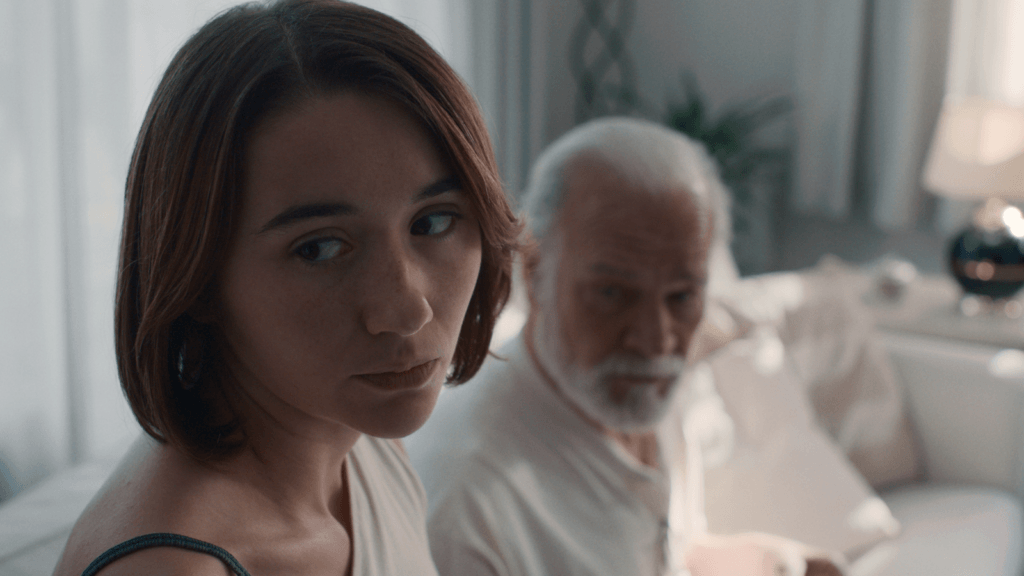
The first sign of something strange comes when a hairdresser calls to confirm Catalina’s appointment, and instead of just explaining that she has passed, Cata pretends to be her late grandmother. She continues wearing her grandmother’s clothes, and Tomeu also says he feels Catalina’s presence in the house. Other events prove more metaphysical. Early in the film, Tomeu tells a story about how Catalina refused to go to the ocean after she saw a man violently kill an octopus. Then the same thing happens to Cata. Besides dressing as her grandmother, Cata also draws on Catalina’s distinct mole with an eyeliner pen. Later, the mole becomes real. Catalina’s stories also have a sneaky way of registering as memories in Cata’s mind. Perhaps the most unnerving facet of the film is how Tomeu and Cata grow closer as she becomes more like his late wife.
Iglesias avoids delving into an incestuous relationship, but she portrays an uncomfortable, unspoken connection between them. Still, we worry that this will go too far, and that lingering dread never dissipates. Note when Cata, an amateur photographer, wants to take a photo of Tomeu. They stand together in the mirror as a couple might. And when Pepa returns home at this moment, the two separate as though aware they were about to cross a line. Meanwhile, Cata fills Catalina’s role as matron, cooking and serving the family and adopting Catalina’s behavioral characteristics. She helps Tomeu (whom she begins referring to by his first name) select artificial grass for the new terrace as though it’s their terrace. And while he teaches her to drive, they bicker like an old couple. By contrast, Eva’s attempt to make her grandmother’s famous cake falters. It’s “a little dry,” says Tomeu, in what for Eva is a devastating criticism.
Underneath these scenes is Filip Leyman and Anna von Hausswolff’s subtly haunting score, which retains an elusive tonality. The music feeds the mood created by Agnès Piqué’s crisp yet meditative cinematography, further reinforced by Paola Freddi’s patient editing. Despite its potential for sensationalism, Iglesias seldom leans into the implications of her story. She prefers bewitching scenes, such as when Cata makes eye contact with Max at a beach party at night. Standing behind a fire, her appearance is chilling. Is Cata’s full integration of her grandmother’s clothes, appearance, and mannerisms her method of processing grief? Or is she possessed? Iglesias leaves room for both interpretations, and Stein’s incredible performance never gives away the film’s secrets.
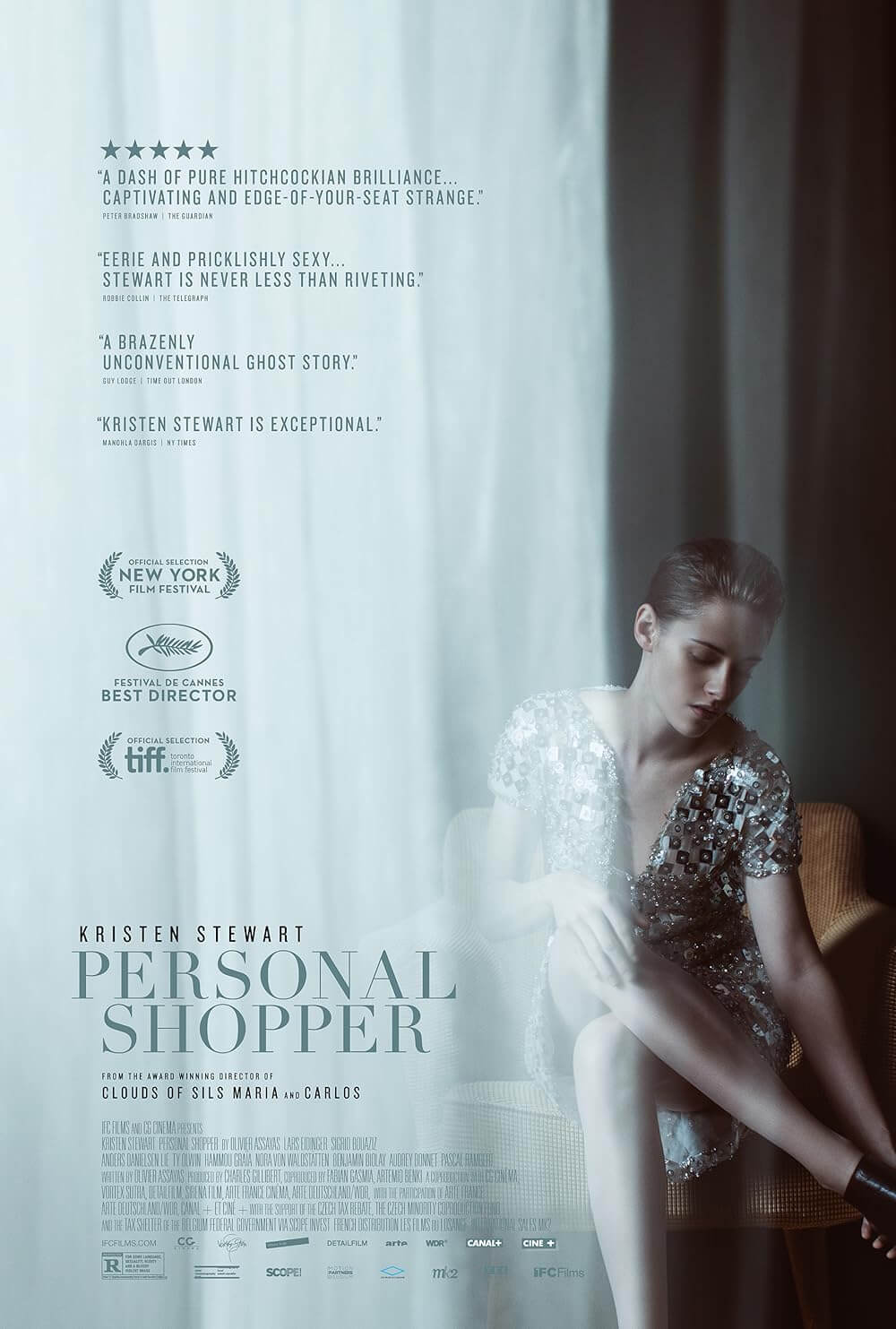
Cata’s behavior could be therapeutic or dangerous. There’s no right answer when it comes to loss, but it seems to stem from her inability to cry at Catalina’s funeral. Sometimes people cry; sometimes they don’t. It doesn’t mean Cata didn’t love her grandmother. It’s just how she processes death. The mysteries surrounding what happens in Forastera recall the equivocations of Olivier Assayas’ Personal Shopper (2017), another film in which ghosts might be lingering in every room, or the characters might just wish there were ghosts nearby—at least that would mean the departed had an afterlife. In the end, Iglesias follows a spectral light that seems to scan the house. It might be a reflection from a car passing by or Catalina’s spirit, looking to inhabit Cata. The final shot leaves the viewer both unsettled and unsure, even as it casts a tender spell. Iglesias has made a delicate ghost story about how grief and memory can conspire to become almost like a possession, and that’s bound to be relatable for anyone who has suffered through a significant loss.
Thank You for Supporting Independent Film Criticism
If the work on DFR has added something meaningful to your love of movies, please consider supporting it.
Here are a few ways to show your support: make a one-time donation, join DFR’s Patreon for access to exclusive writing, or show your support in other ways.
Your contribution helps keep this site running independently. However you choose to support the site, please know that it’s appreciated.
Thank you for reading, and for making this work possible.
Brian Eggert | Critic, Founder
Deep Focus Review