Toy Story 5
By Brian Eggert |
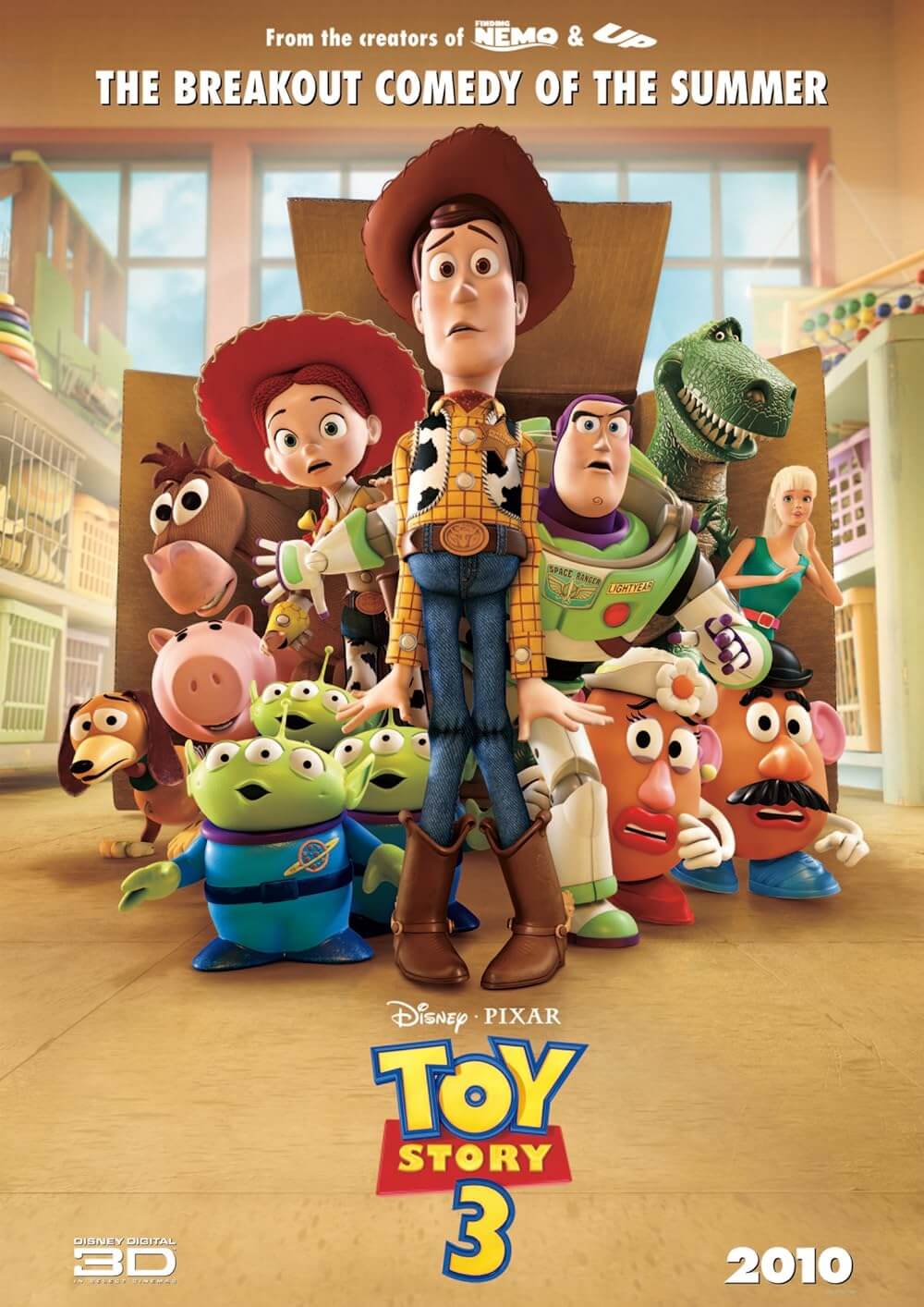
With Toy Story 5, Pixar once again delivers a sequel that audiences didn’t know they needed. Since the 1995 original, each successive film has raised questions about how much story there could be left to tell, and lately, whether any sequel can stack up against Toy Story 3 (2010). But, similar to the last entry from 2019, the new installment quickly dispels any cynicism about the result, even if the outcome is a cash grab for the studio. Doubtless, Toy Story 5 will be one of the highest-grossing films of summer 2026, with its name-brand recognition earning Pixar’s parent company, Walt Disney Studios, upwards of a billion dollars (not to mention all the residual revenue from tie-ins and merchandising deals). Financial motivations aside, Andrew Stanton and Kenna Harris, who share duties as co-writers and co-directors, craft another animated wonder that taps into open-hearted emotions and dazzles with its marvelous animation. Whatever doubts I may have had about the production were wiped away like the tears streaming down my cheeks by the finale.
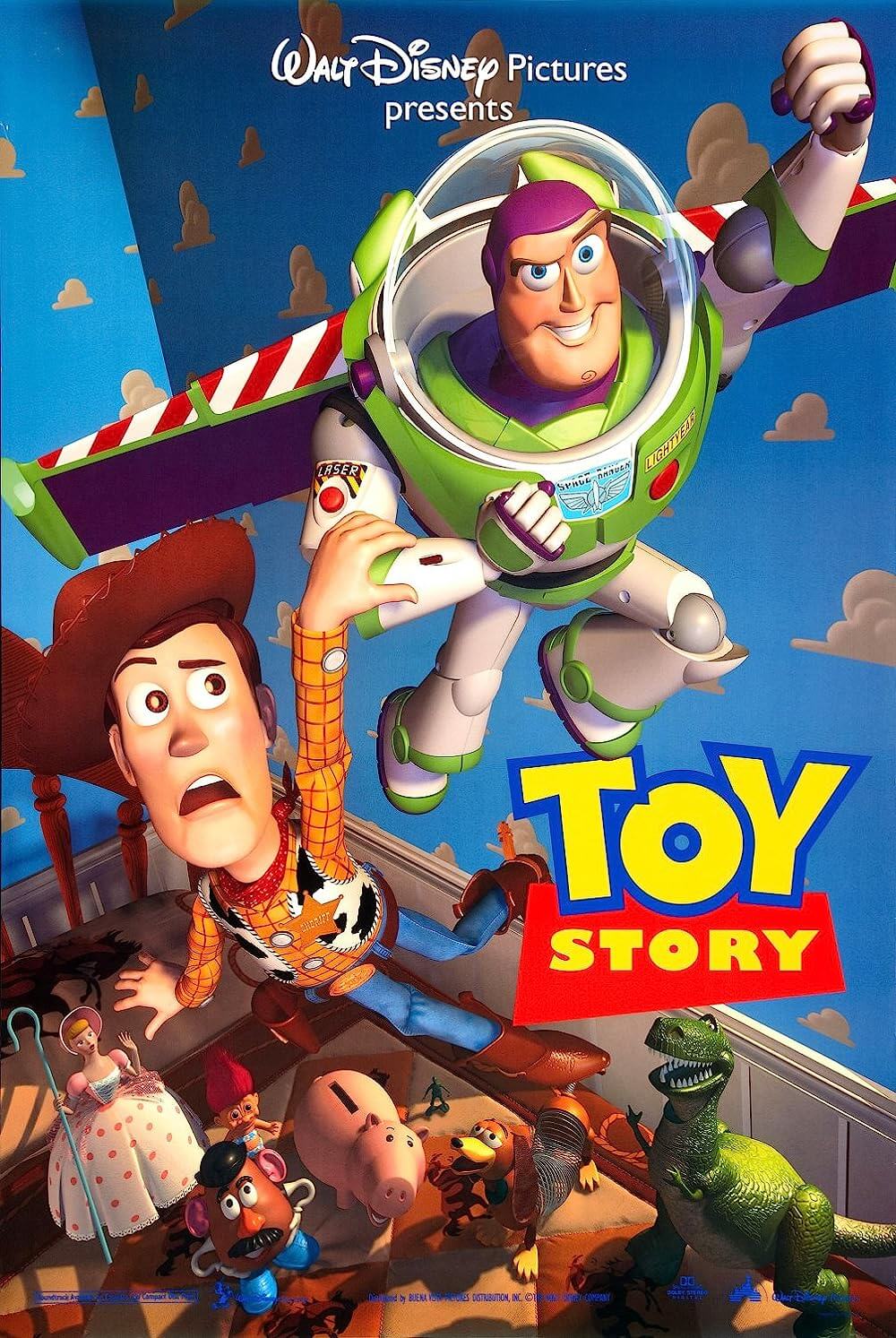
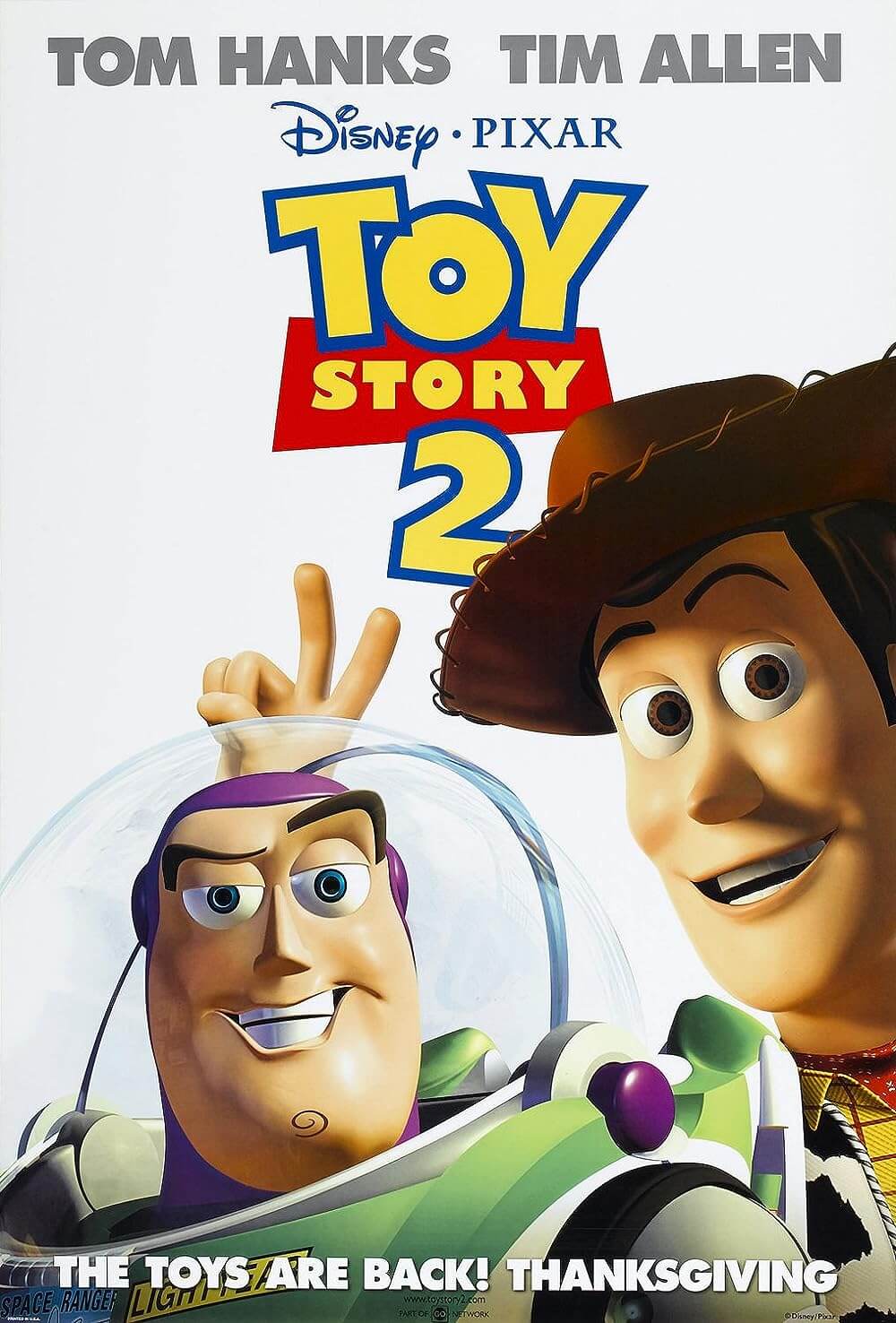
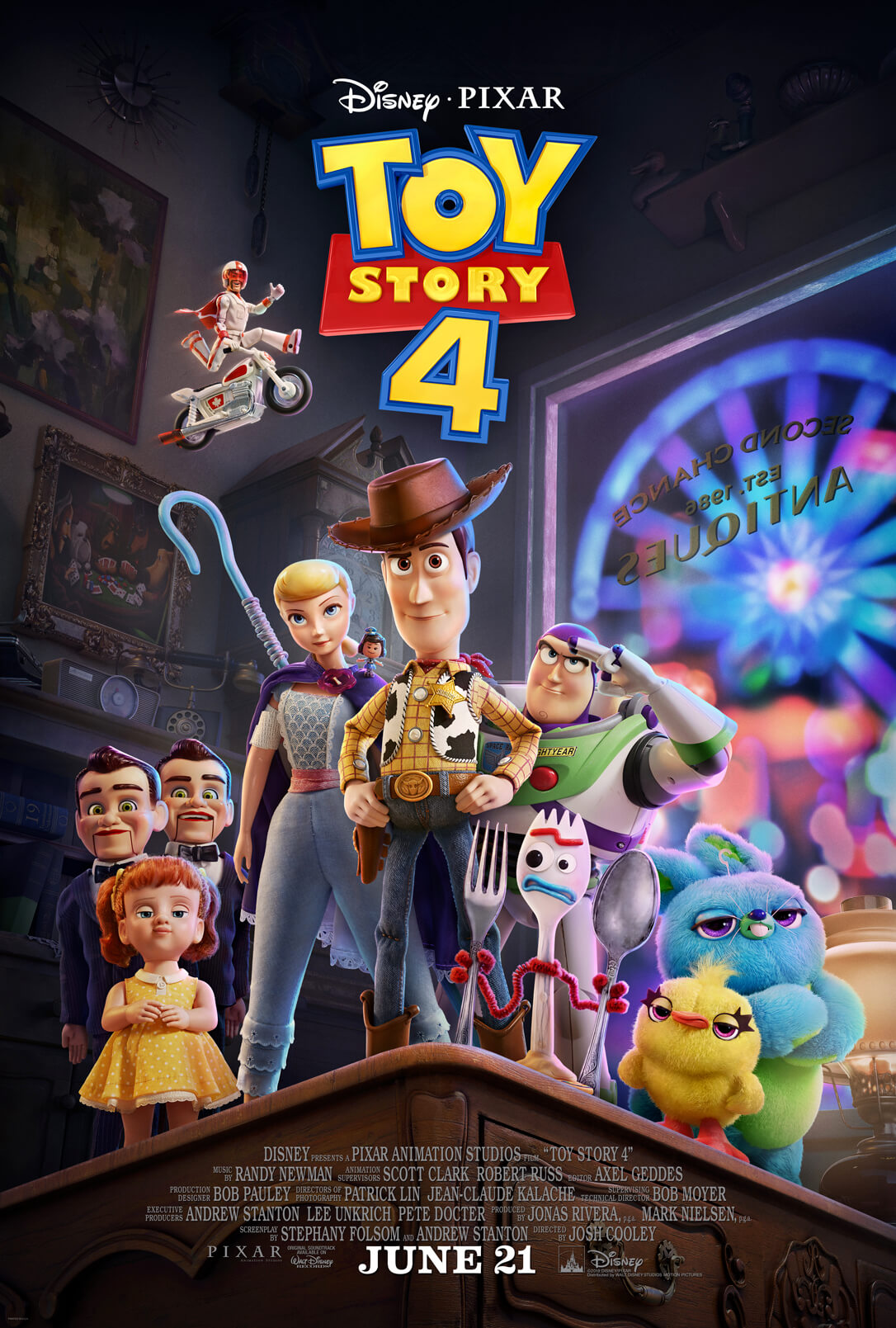
Whereas Toy Story 4 pondered the toys’ new home with Bonnie (here voiced by Scarlett Spears) and the post-owner life of toys left in the wild, the latest sequel examines the decline of play as it’s replaced by screens. In a way, Toy Story 2 (1999) already confronted the fact that toys have gone from a childhood pastime to collector’s items, usually left preserved in their original packaging. And most sequels have addressed how toys are forgotten or passed from one owner to the next. Toy Story 5 observes that children today seldom play with toys. From a young age, they’re glued to their devices, where video games and instant messages occupy their brains. Even children in elementary school might get bullied or mocked for playing with toys when every other kid has the latest gizmo that creates the illusion of social connection. The film shakes its fist at tech for making children grow up too fast and robbing them of those essential years when they should be using their toys to create make-believe stories and engage their imaginations.
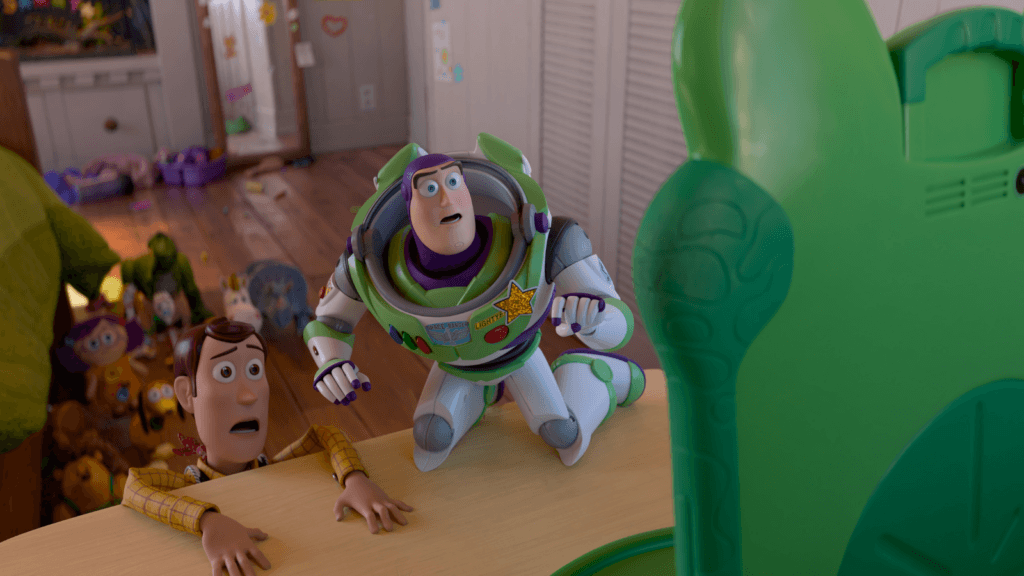
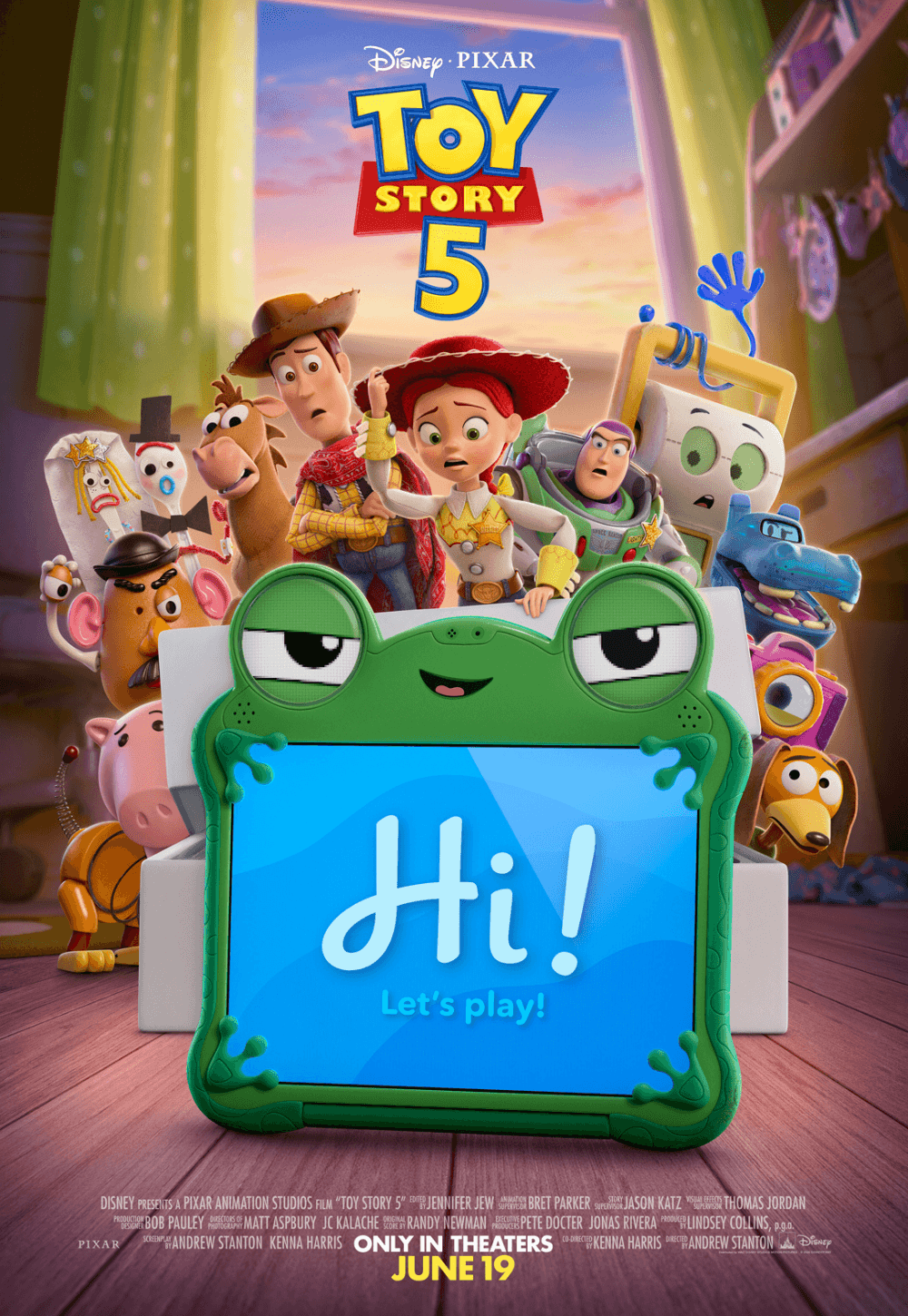
Fortunately, Bonnie still plays with her toys. Central to her collection are the new Sheriff Jessie (Joan Cusack) and Jessie’s horse Bullseye, along with all the other favorites collected over the series, from Rex (Wallace Shawn) to the recent addition, Sporky (Tony Hale). Because she’s a little different, the achingly shy Bonnie has trouble making real-life friends until her parents buy her a frog-shaped Lilypad—a tablet made for kids, featuring games and a social component that will connect her to other children at her school. Voiced by Greta Lee, Lilypad plans to help Bonnie make friends, but the device believes Bonnie will never do so if she continues playing with dolls. Concerned, partly because her long-held abandonment issues resurface with Lilypad’s arrival, Jessie calls on Woody (Tom Hanks), who has been out in the world, ownerless, with Bo Peep (Annie Potts), saving other lost and forgotten toys from a grim fate. Woody soon returns to help prevent Lilypad from taking over Bonnie’s life and turning her into another mindless drone who stares at her screen all day.
Somehow, this has something to do with a few dozen Buzz Lightyear action figures that washed up on a desert island in a shipping container. While the original Tim Allen-voiced character musters the courage to propose to Jessie, his multiple counterparts organize and plan to reconnect with “Star Command.” Eventually, these two narrative paths collide, but until they do, the subplot feels random and perhaps less significant than it could have been. Toy Story 5’s most substantive ideas orbit around Jessie and Bonnie. The former fears being left behind and wants Bonnie to connect with the right kind of friend—someone who also plays with toys, even though most toys recognize “the age of toys is over.” Bonnie’s arc takes her from embracing Lilypad to realizing that an online “friend” isn’t always a meaningful connection. Friends are more than something you accumulate with an online profile.
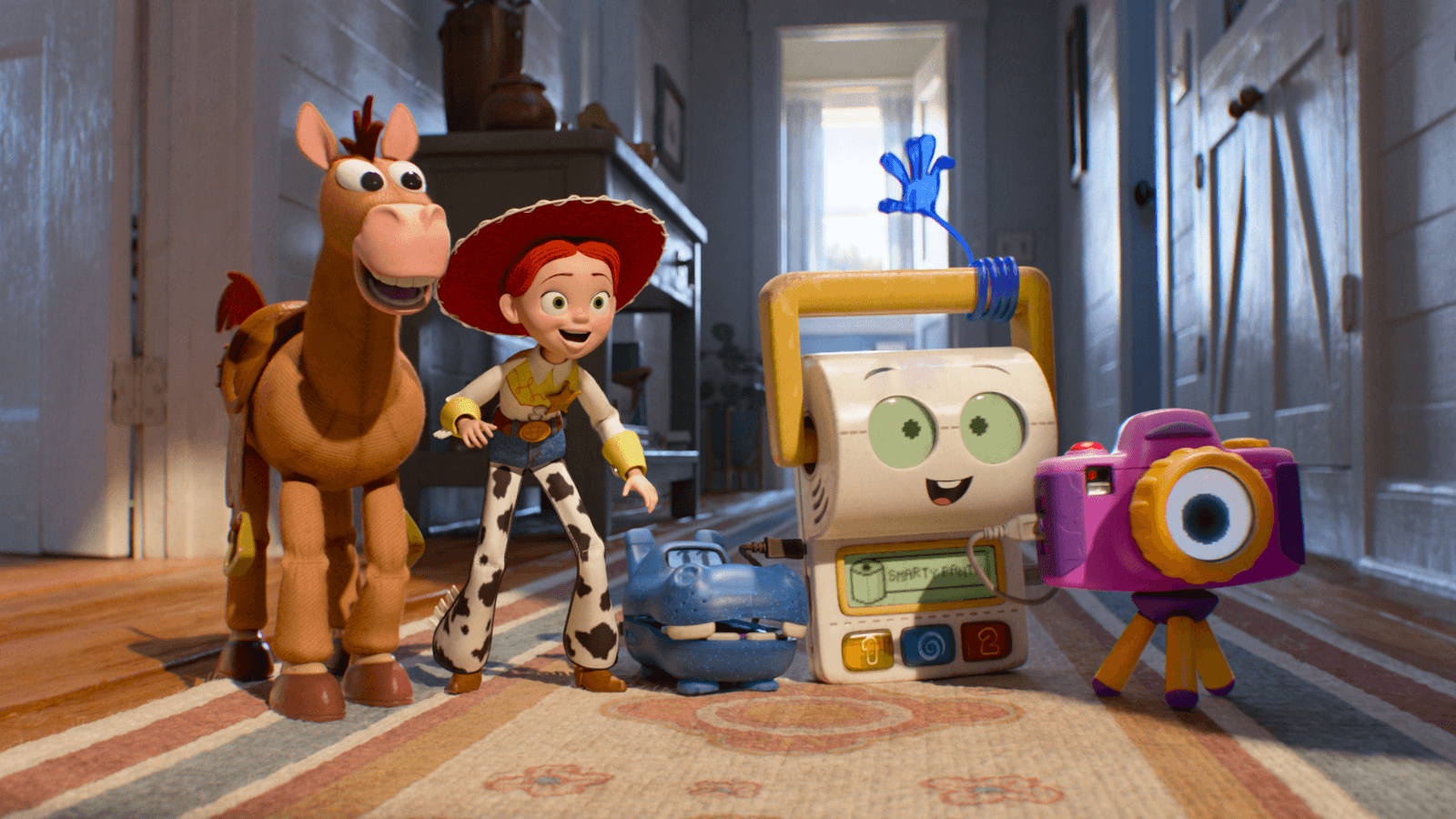
Jessie’s race to find Bonnie a friend introduces new characters, including a potty-training device called Smarty Pants, shaped like a toilet-paper roll and voiced by Conan O’Brien, whose dialogue consists of hilariously childish scatalogical puns. Along with a GPS device named Atlas (Craig Robinson) and a children’s digital camera called Snappy (Shelby Rabara), these forgotten devices help Jessie realize that not all tech is bad. She also meets Blaze (Mykal-Michelle Harris), a nine-year-old who lives in Jessie’s original owner’s farmhouse. The shift from a suburban locale to a farm also welcomes animal characters, who, refreshingly, do not behave like Disney-brand talking critters. However, Stanton and Harris’ nod to Bambi (1942) is priceless. Much of the 102-minute feature leaps from one set piece to another, keeping both children and adults rapt, with enough humor and heartbreaking dramatic turns to earn Toy Story 5 the label of an emotional rollercoaster. Bonnie’s emotional well-being becomes the driving force of the sequel, and this adorable, sensitive child broke my heart and put it back together again.
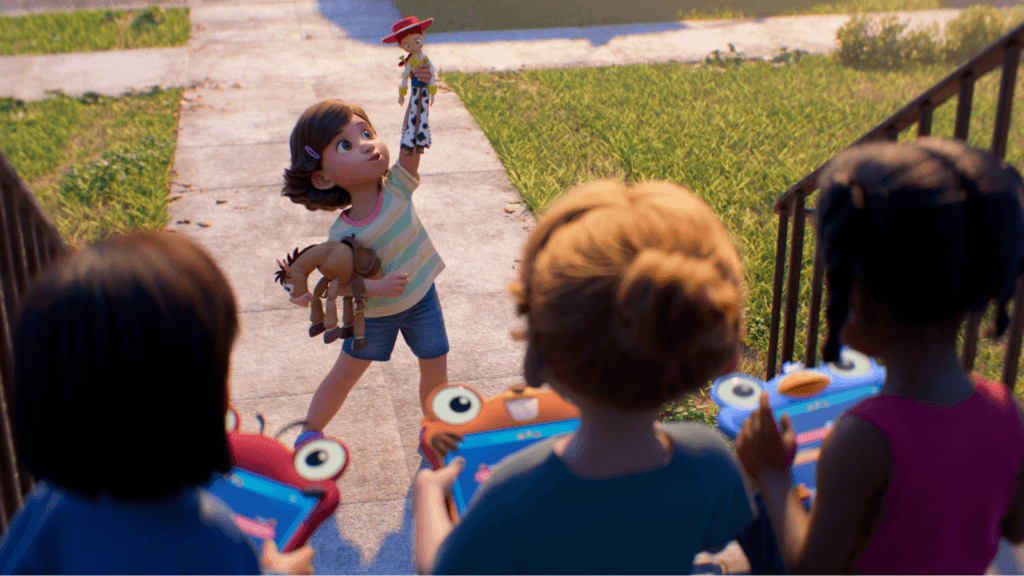
Of course, Pixar’s animation is flawless. Several times during the film, I was struck by the photorealistic characters and environments, which look staggeringly convincing. Pixar and its most enduring franchise have come a long way since 1995. When the horde of Buzz Lightyears arrives at a loading dock, the foggy scene has a damp, grimy beauty, with streetlamps casting light through the thick air. Other details are just as stunning, even when they’re disgusting. Take when Jessie falls face-down in a dog bowl filled with cloudy saliva water, a dead bug, and soggy kibble left over from what looks like the animal’s furious eating. Other scenes on Blaze’s farm resemble a Western, albeit with toy posse riding plastic horsies into the sunset. Overall, the story has many moving parts, allowing Pixar to animate a variety of settings, tones, and atmospheres. But until these components come together, Toy Story 5 can feel structurally scattershot at first. Upon reflection, the initially amorphous narrative trajectory feels earned.
Stanton and Harris understand the importance of kids being kids, of children tapping into their imaginations, and of not simply existing within a virtual space. Many members of younger generations who have never known life without devices or the internet have, in some ways, been robbed of these experiences. Devices make kids grow up too fast, as several characters note in the film. Toy Story 5 yearns for less wired, tech-centric times when kids went outside to play and invented elaborate scenarios, here represented by somewhat underwhelmingly animated crayon-like visualizations of charmingly dramatic weddings and spy stories from the minds of Bonnie and Blaze. But the film isn’t tech-phobic or anti-tech; it’s simply warning that too much screen time may rot your brain and make you socially inept. What works so well about this film is that it reminds us that technology can connect people remotely, but when it comes to friendship, nothing beats a playdate.
Thank You for Supporting Independent Film Criticism
If the work on DFR has added something meaningful to your love of movies, please consider supporting it.
Here are a few ways to show your support: make a one-time donation, join DFR’s Patreon for access to exclusive writing, or show your support in other ways.
Your contribution helps keep this site running independently. However you choose to support the site, please know that it’s appreciated.
Thank you for reading, and for making this work possible.
Brian Eggert | Critic, Founder
Deep Focus Review