Trauma or, Monsters All
By Brian Eggert |
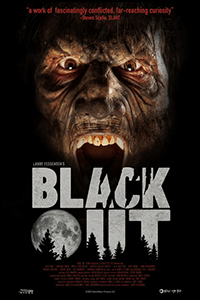
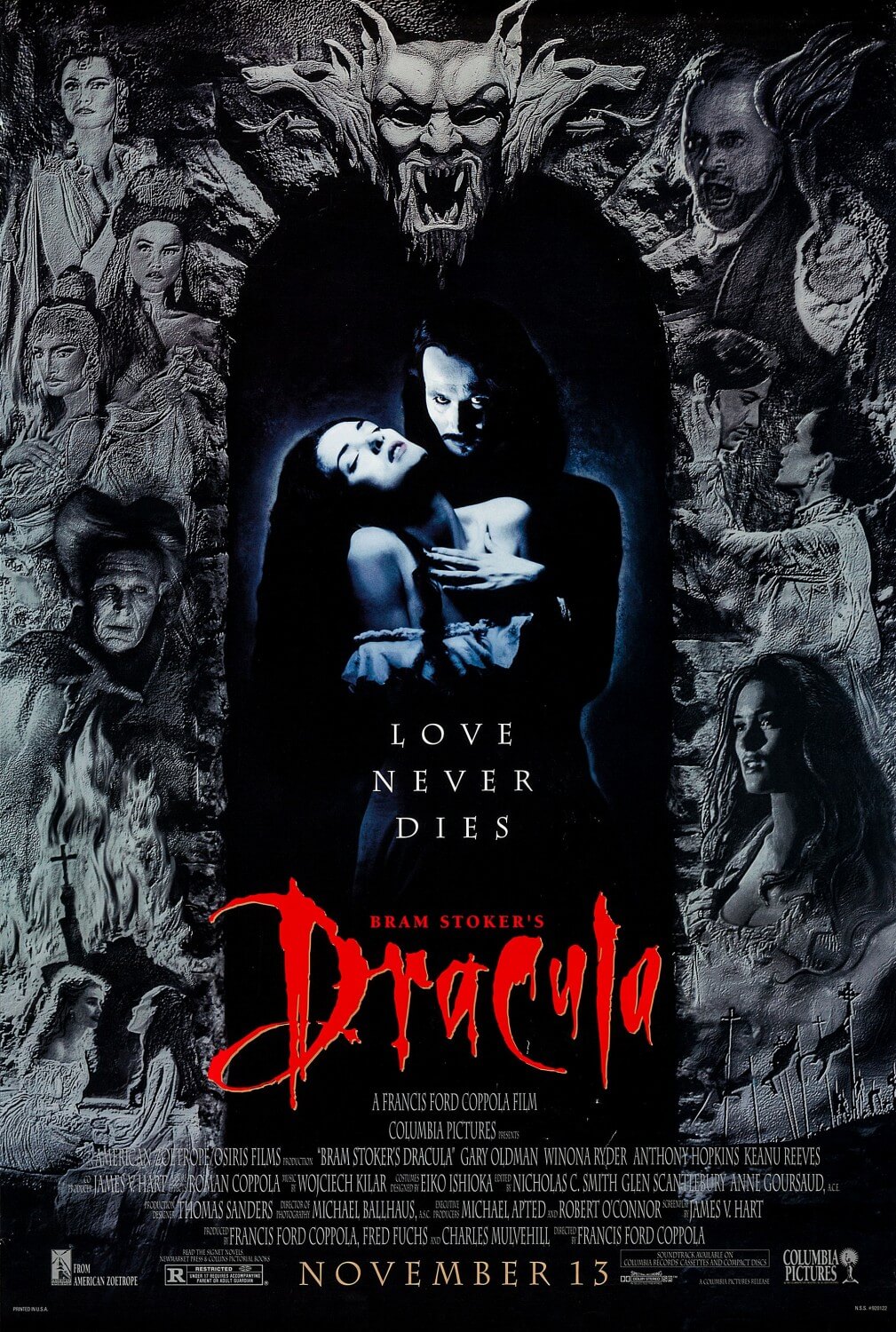
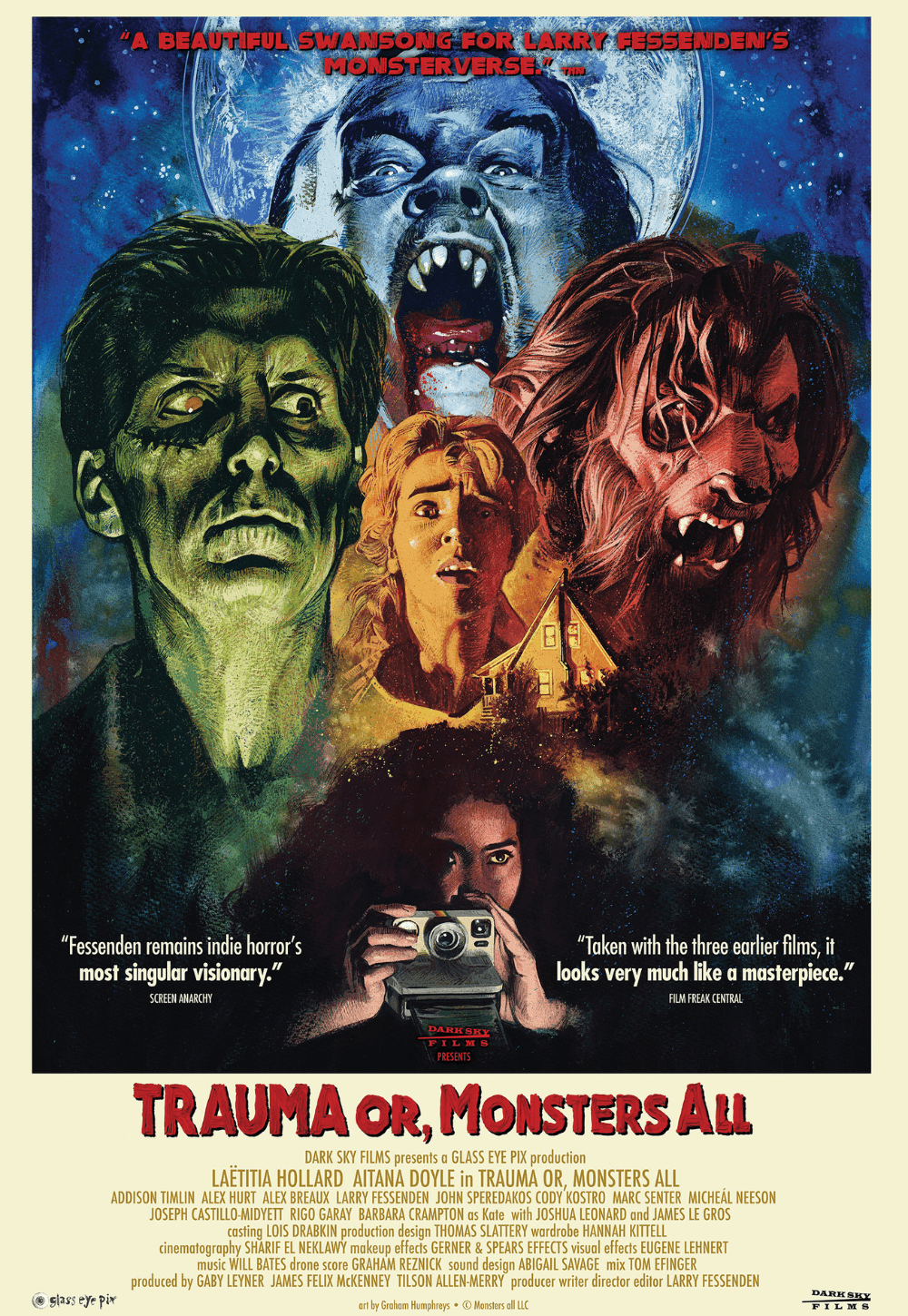
Trauma or, Monsters All is Larry Fessenden’s mad, mad, mad monster party that, for fans of the independent horror maestro, is a bigger event than the next Avengers crossover. The writer-director-producer-editor has spent his career reinterpreting classic monsters, along with more obscure tales of caribou ghosts and the Algonquian myth of the wendigo. With his breakout hit, Habit (1997), he rethought the usual vampire story, casting himself as a bohemian New Yorker whose newfound bloodlust becomes an allegory for alcoholism and inherited behaviors. In Depraved (2019), he retooled Mary Shelley’s Frankenstein as a modern-day fringe science yarn about the human toll of military PTSD and relentless tech-bro spin. Most recently, he told an old-fashioned wolf-man story in Blackout (2023), following an alcoholic artist who turns into an unpredictable beast while his community comes apart under its intolerant leader. He describes his series of monster movies as being about “American dysfunction as seen through the lens of gothic horror.” And the monsters from these three films come together in what the distributors at Dark Sky Films claim is “rumored to be Fessenden’s final film.” Whether that’s just marketing remains to be seen. But appropriately, his latest feels like a culmination of a thirty-year filmography.
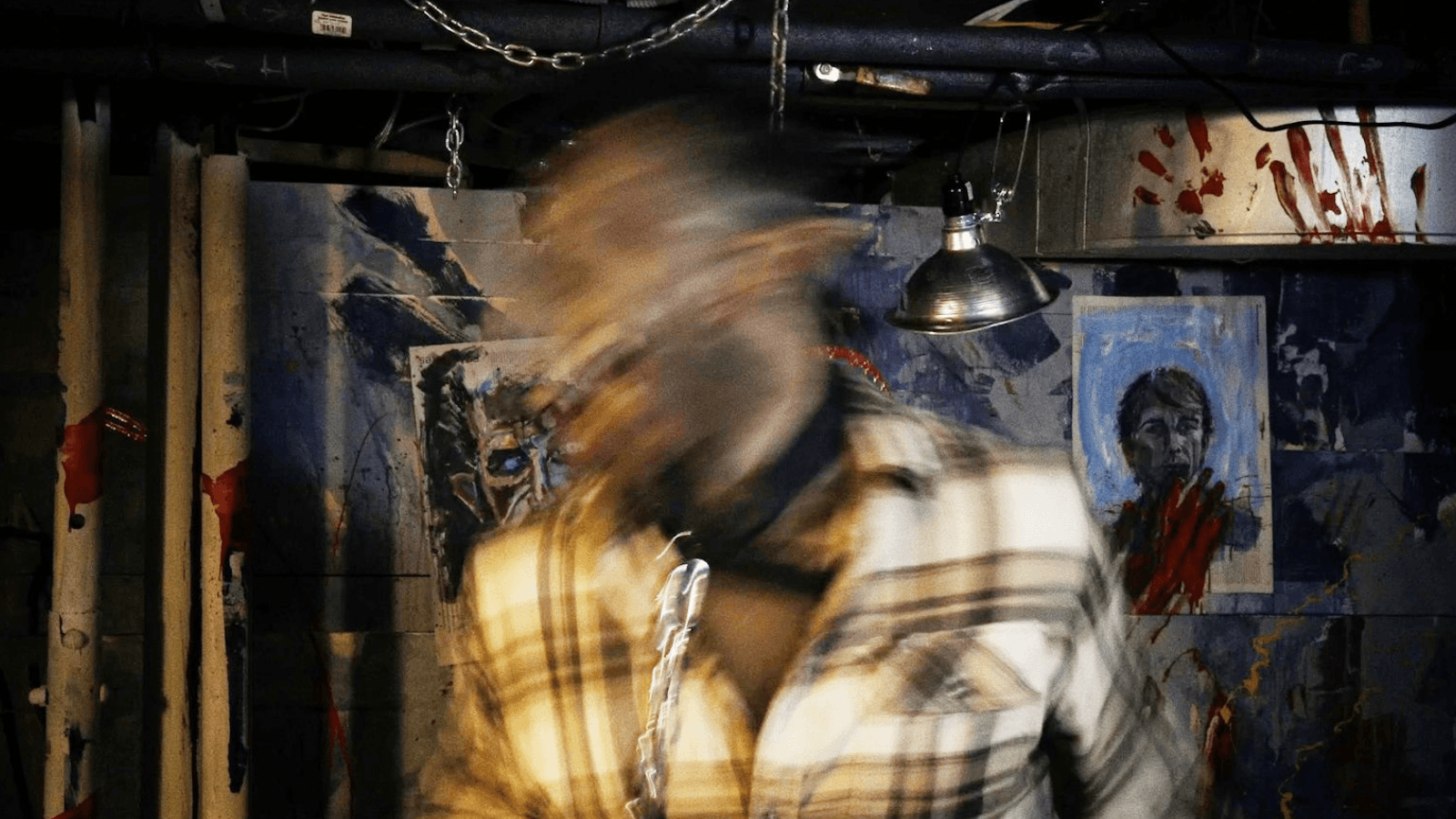
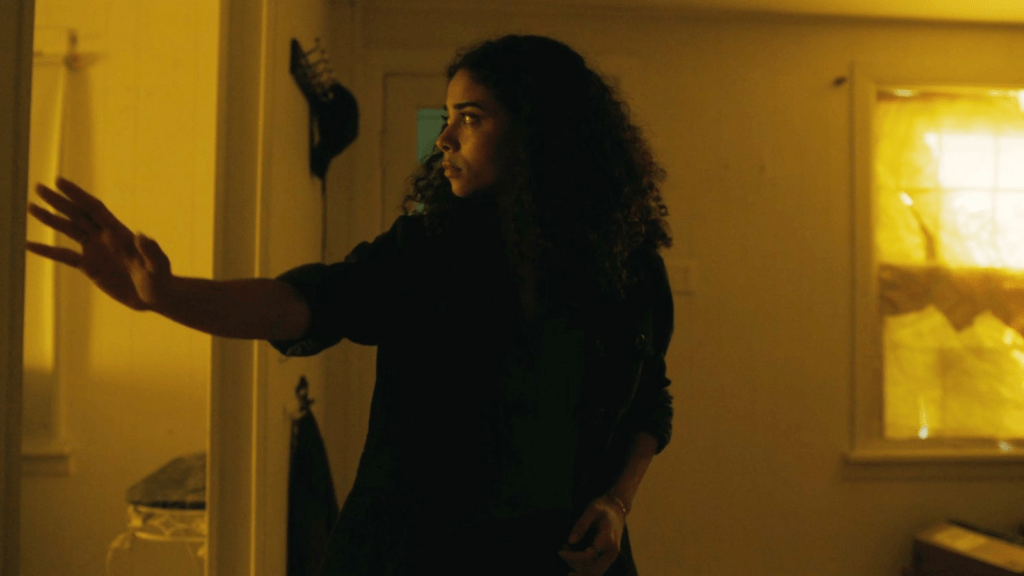
Fessenden has more on his mind than building his own Monster Squad. The monsters even feel secondary in the film, with Fessenden directing his attention to a young woman, Cassandra (Laëtitia Hollard, from HBO’s The Pitt), who’s writing a book about George Washington Carver. Her subject is more than just “the peanut guy,” she feels, and she plans to frame his story as that of a nonconforming genius. Like her subject, she, too, is an outsider, having moved to Talbot Falls, where Blackout is set, to finish her book. And her overriding empathy extends to those like her, including monsters. Fittingly, she can see two of them out of her window, in the rundown neighborhood where she rents a home. In the last scene of Blackout, Charley (Alex Hurt), the central werewolf, walks past Adam (Alex Breaux), the stitched-up creation from Depraved. They became friends between movies, apparently, and now Adam helps keep Charley under wraps—chained in a basement—during full moons. Inspired by town rumors and the strange sights she sees next door, Cassandra writes a piece for the local newspaper about the monsters and trauma permeating Talbot Falls.
The article stirs up all manner of trouble with certain locals—familiar faces from Blackout. What right does she have to write about their town? She’s like the mythical Cassandra, except instead of no one believing her, most want her to mind her own business and not remind them of their past. Others, like Charley’s ex-girlfriend Sharon (Addison Timlin), desperately want to find the “Hombre Lobo” and help him. Her despair over his presumed death, since she shot him at the end of Blackout, has left her wounded and prone to drinking too much. Such people are obvious marks for vampires. Enter Sam (Fessenden), from Habit, who reads Cassandra’s article and decides to visit Talbot Falls to check out the monster scene. He feeds on Sharon and inadvertently turns her into a vampire, but explains that immortality isn’t as romantic as the movies make it look. For decades, he’s been feeding on drunks and homeless people, and it’s taken its toll. If he had been draining a youthful person every day, maybe he would still look young. Sam is the first to admit: he doesn’t really know how vampirism works. And Cassandra’s article also draws the attention of Polidori (Joshua Leonard), the financier who paid for Adam’s creation and still hopes to exploit the science for a payday.
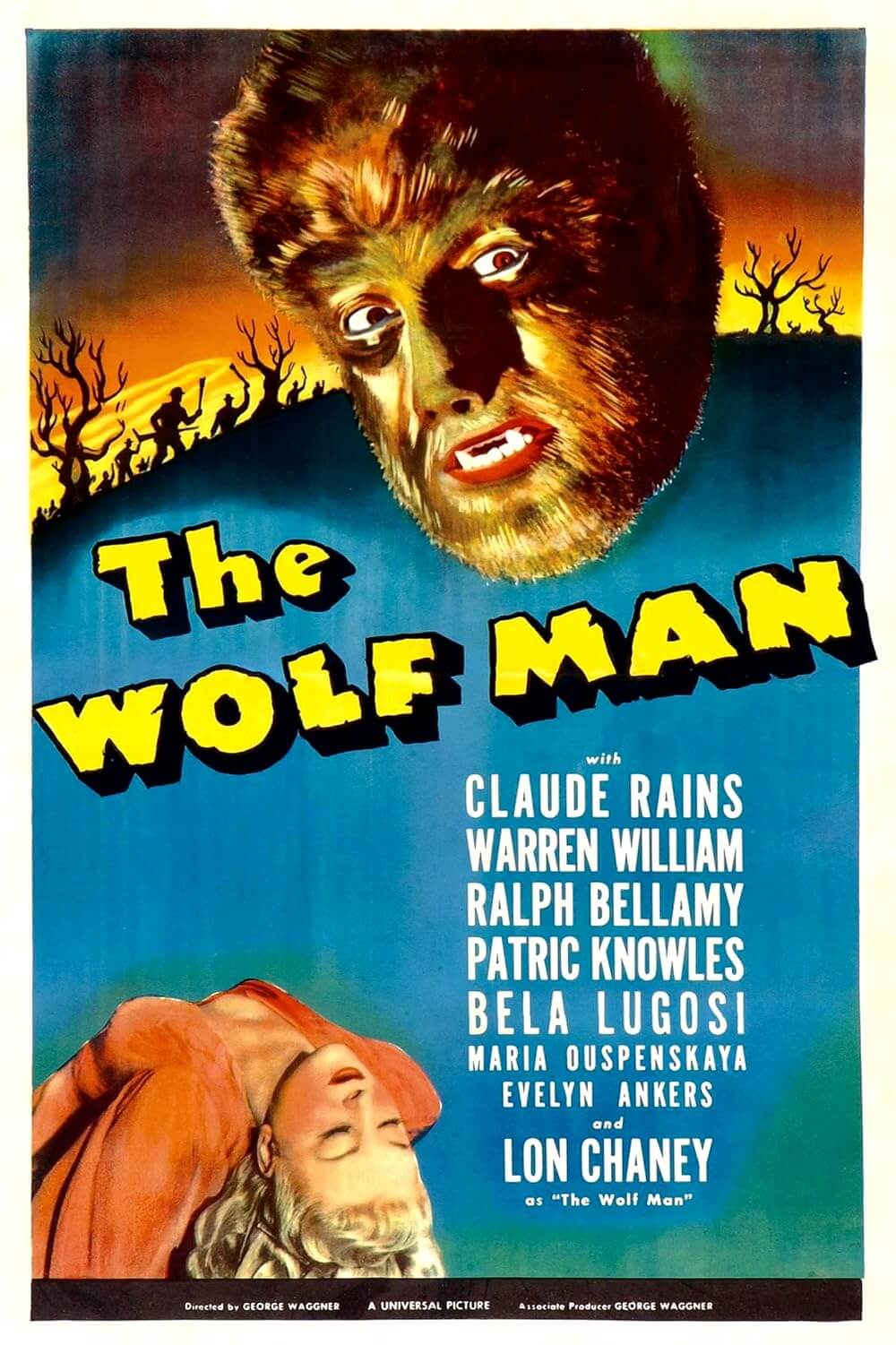
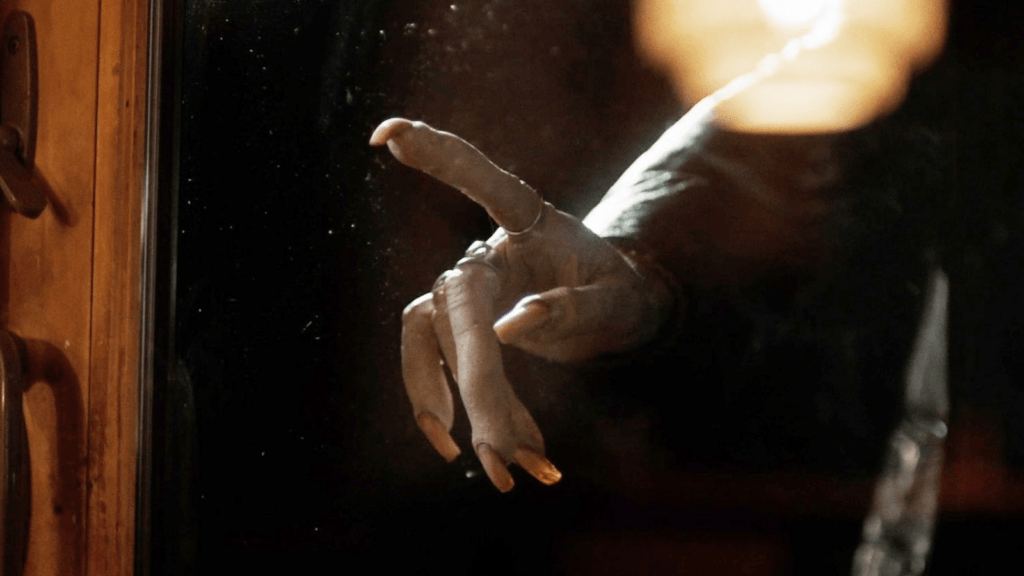
Those familiar with Fessenden’s work will recognize his scrappy approach. The production’s shoestring budget is stretched even thinner because of the large cast and effects required for several creatures. Yet, like producer Val Lewton, Fessenden knows how to make use of his limited resources through creative choices—something advocates of AI have never considered when touting its unlimited possibilities. The title sequence, for instance, is rendered with layers of paint and clever editing, and it’s more visually inspired than any CGI titles found in blockbuster fare. Charley’s transformation into a werewolf is shown with an accelerated frame rate and fades reminiscent of The Wolf Man (1941), not through VFX or even animatronics. Fessenden relies on practical makeup for his monsters, including an occasional blue-skinned ghoul look for Sam, recalling the dreaded vamp from Tobe Hooper’s ‘Salem’s Lot (1979). But his analog solutions are part of the film’s charm, right down to the evocative score that reminded me of the melancholy sounds of Tom Waits and dirty blues. To that end, his horror films do not strive for jolts or scares; they are films about loneliness, longing, and despair.
Trauma or, Monsters All is unique among Fessenden’s creature-feature series for centering on Cassandra, not the classical monsters who inhabit Talbot Falls. Through her, Fessenden explores identity politics and asks larger questions about where to put his creative energies. Are the monsters in the world a mere distraction for Cassandra, or should they be her subject? Cassandra’s only friend through all this is her coworker at the town’s library, Agnes (Aitana Doyle), who tells her to set aside her Peeping Tom routine and focus on George Washington Carver. They soon develop a romance in a thin subplot. But the point is that the monsters of the real world (Donald Trump, Stephen Miller, Elon Musk, et al.) seem to take up so much of our energy that it’s difficult to focus on anything else. Take Mrs. Shultis (Beth Dixon), the town’s head librarian, who has grown tired of fighting with the townsfolk over what children’s books can appear on her shelves. She’s not ready for another fight and asks Cassandra to take a week off while the hullabaloo about her article dies down. The film is less about horror movie icons than about the energy needed for creative pursuits, and how the world can drain those reserves.
The film is also about how, when an artist, historian, or journalist—anyone, really—looks at history with a critical eye, they’re bound to find something deflating or disturbing. When those discoveries are shared, there comes a certain kind of person who cannot stand being confronted with their culture’s troubling past, and so they lash out. This is particularly true in America, where the “Land of the Free” proves illusory next to historical counterpoints: the genocide of Indigenous people in the name of Manifest Destiny, chattel slavery, detention centers for Japanese-Americans after the bombing of Pearl Harbor, fascist foreign policies, and ICE concentration camps. Fessenden’s film responds to those who cannot accept the grayscale reality and see only in terms of black or white, good or bad. It’s largely this lack of perspective or critical thinking in the world that has led the 63-year-old filmmaker to feel disenchanted and consider retiring. Fessenden is not unlike Sam’s father, whom Sam describes as a “disappointed optimist” in his eulogy in Habit.
Fessenden’s films are an extension of his own sensibilities: unpolished but honest and unpretentious. When a mugger kicked out one of his front teeth in 1985 as he tried to prevent his girlfriend from getting robbed, Fessenden could have replaced it. Instead, along with his stringy receding hairline and mischievous smile, the gap has become his visual signature and mark of his humility—not to mention a test for others who would judge him for his distinctive appearance. In his review of Habit, Roger Ebert observed of Fessenden: “That he is able to see himself with such objectivity is almost frightening; there is not a shred of ego in his performance.” That continues today and applies to his filmmaking as well, which is what I love about his films—not despite their modest, occasionally clunky technical execution, but because of it.
Newcomers may find Trauma or, Monsters All underwhelming on its own, but watched alongside Habit, Depraved, and Blackout, the whole is greater than the sum of its parts. Together, they show sympathy for misfits and nonconformists, even though they leave a string of victims in their wake. Sam, Adam, and Charley have each claimed human lives based on their impulses and natural drives as monsters. But Fessenden considers them for their symbolic potential, and he’s less interested in their supernatural mythology. Here, Cassandra and Fessenden are aligned: she doesn’t judge so-called monsters but wants to understand them and where they come from. To her, a monster is no different than someone like Carver, who defies every social rule in the book and remains a singular, misunderstood figure. Fessenden frames monstrosity as a societal condition as old as human history, tracing it back to Gothic horror. If Trauma or, Monsters All were his last film, it would be a fitting conclusion to a career. But I hope there are more to come.
Like DFR? Support us.
This site exists because readers like you care about film. If DFR has enriched your experience with movies, I’d be grateful for your support. You have a few options:
• Join DFR’s Patreon community
• Make a one-time donation on PayPal
• Buy me a coffee
Whatever option you choose, it helps keep my work independent. And it means a lot to me.
Thank you for reading, and for making this work possible.
Brian Eggert | Critic, Founder
Deep Focus Review