The Cycle
By Brian Eggert |
(Editor’s Note: This review contains a few mild spoilers. For the best experience, read the review after you see the movie. It arrives on Shudder on October 23, 2026.)
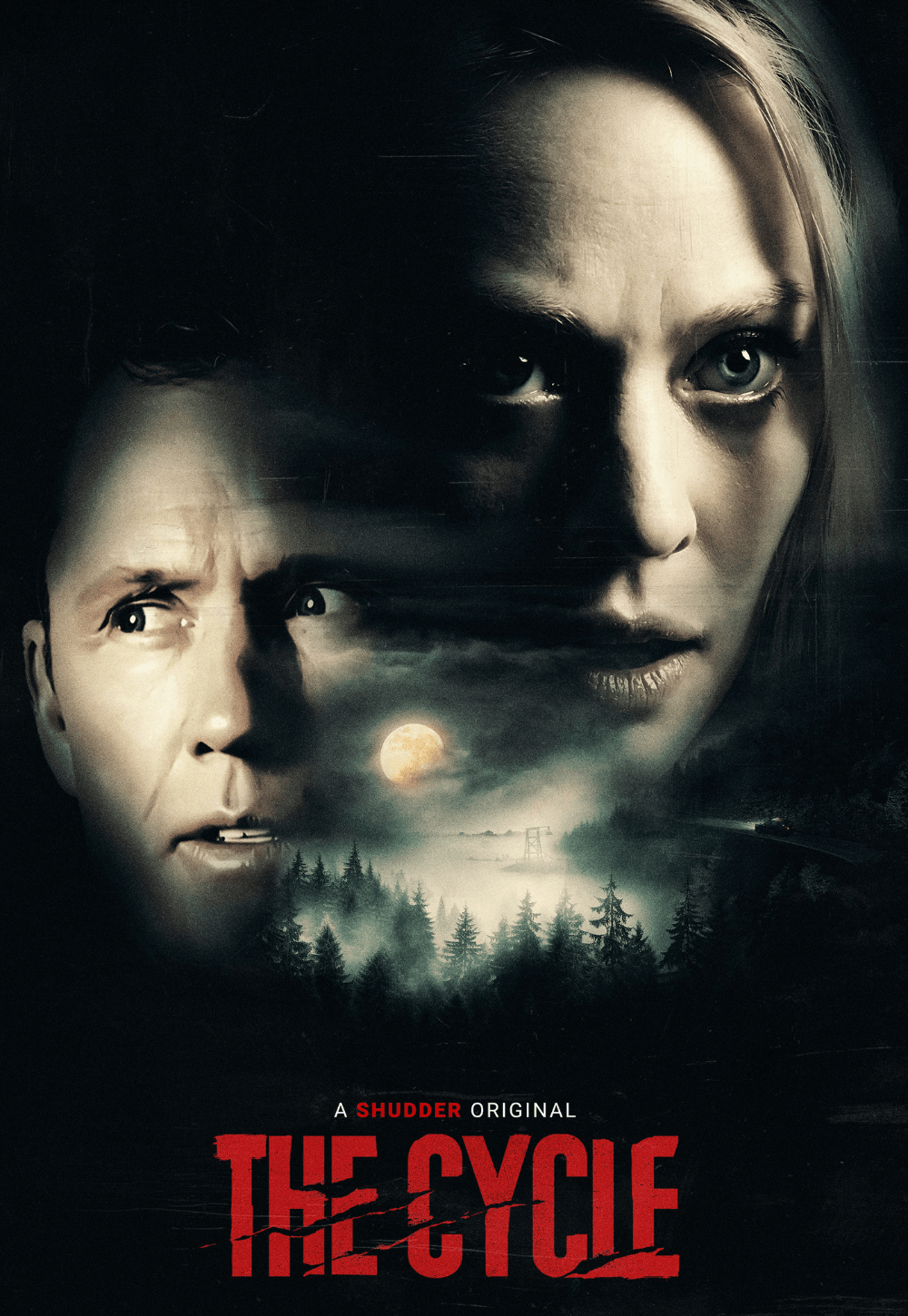
The Cycle is a superbly crafted police procedural and practical-effects-driven horror movie from director Jordan Downey. That detail alone is shocking, since Downey is the filmmaker behind ThanksKilling (2008), a silly, secondhand-embarrassing flick about a talking killer turkey. Fortunately, Downey has developed his skills since then with The Head Hunter (2018), a spare, intense, gruesome microbudget period piece that follows a medieval warrior out to avenge his daughter’s death. He also made a memorable segment called “Stork” in V/H/S/Beyond (2024). Having moved on from holiday horror, Downey and co-writer Kevin Stewart weave a deliberately paced mystery that gradually becomes one of the most innovative monster movies in recent memory.
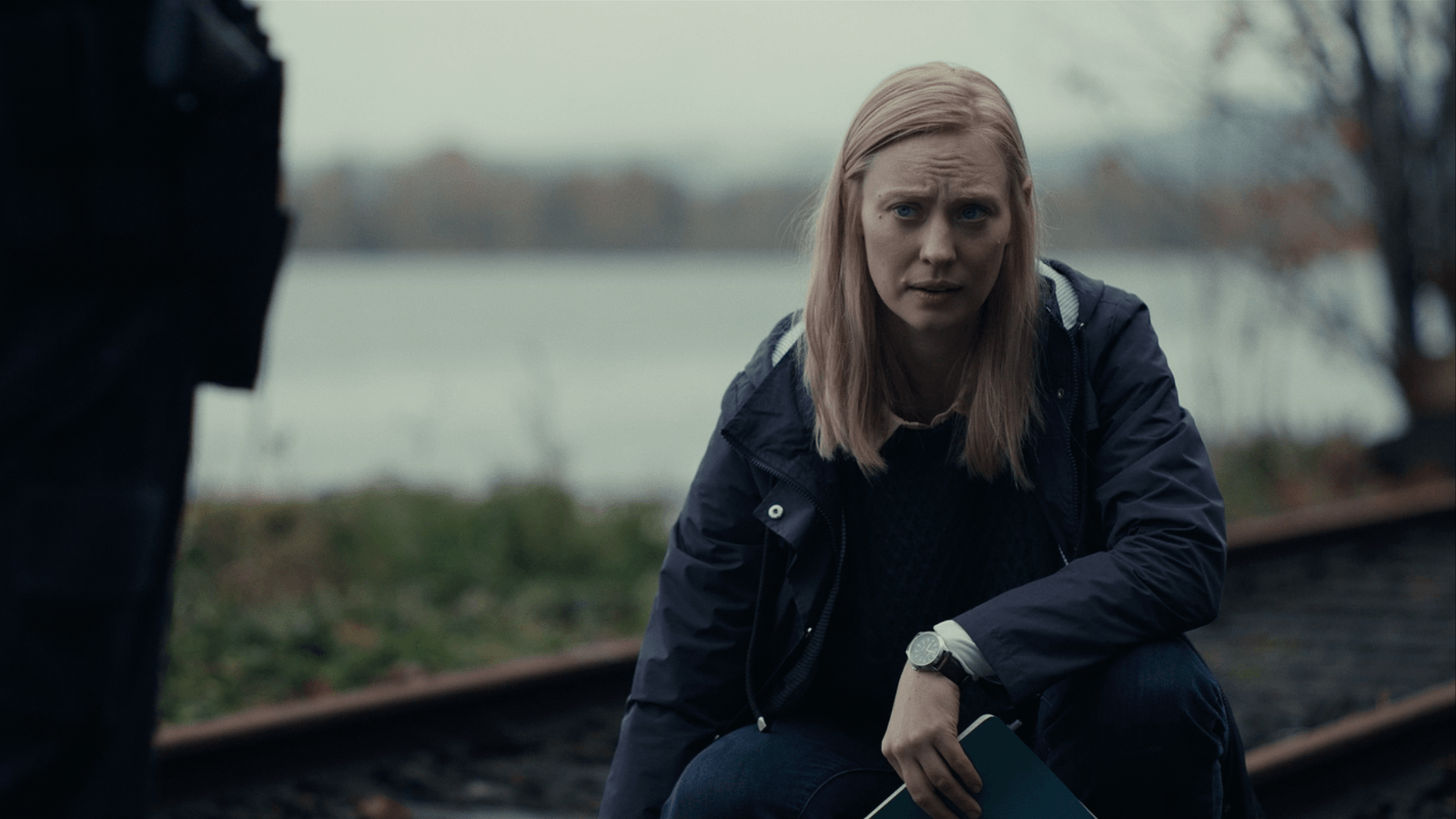
Much of The Cycle’s power comes from star Deborah Ann Woll, best known for True Blood (2008-2014) and the Disney+ (previously Netflix) Daredevil series. She’s textured and later raw as Meg, a forensic anthropologist who regularly helps the police and FBI find clues on corpses. She oversees a lab where bodies at various stages of decomposition rest in containers in a courtyard, revealing patterns of decay over time. Meg is asked to help with a local murder case. A mother and her young daughter were killed, seemingly by an animal. But the reason a father-and-son cop duo (Jeffrey Donovan, Will Hochman) reach out to Meg is more personal. Near the crime scene, they found the moldering body of her father, Lou (Carl W. Crudup), who abandoned her thirty-six years ago when she was just four. Her now-estranged single mother, Joni (Gretchen Corbett), raised her and has kept secrets about Lou all this time.
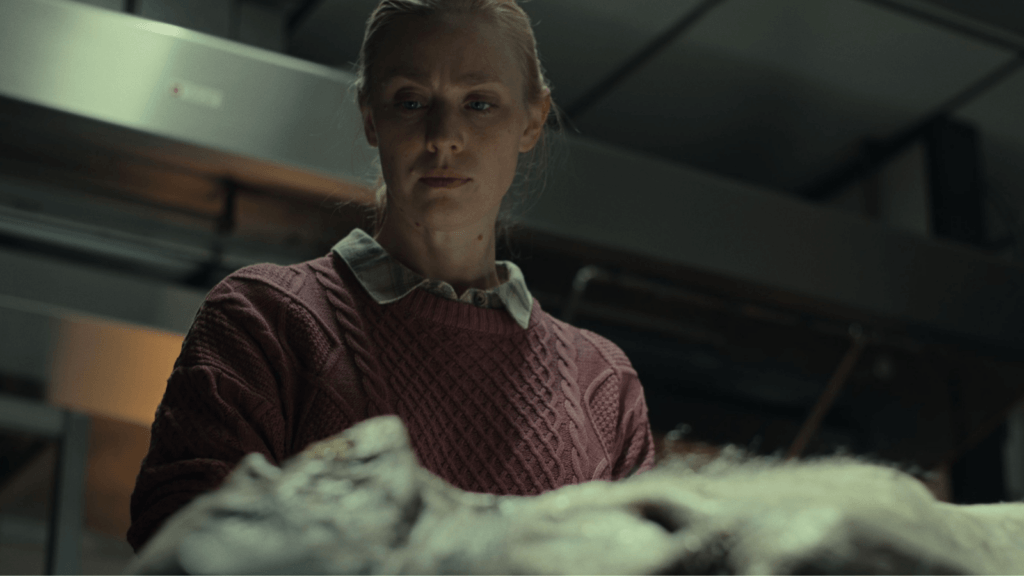
Although it’s unconventional for a family member to work a case like this, Meg agrees, suppressing how deeply she’s still wounded by her father abandoning her, even though her memories of him seem limited to the night he left. She examines Lou’s strangely rotted body, which has baffled the local coroner (Jeb Berrier), to understand why maggots haven’t chewed away the flesh. The pale thing almost looks mummified and shows evidence of old gunshot wounds and several broken ribs. But unlike a standard forensic mystery, science doesn’t give Meg the answers she needs. The mystery prevails, leading her to an unavoidable supernatural conclusion that dominates the movie’s gory, chilling second half.
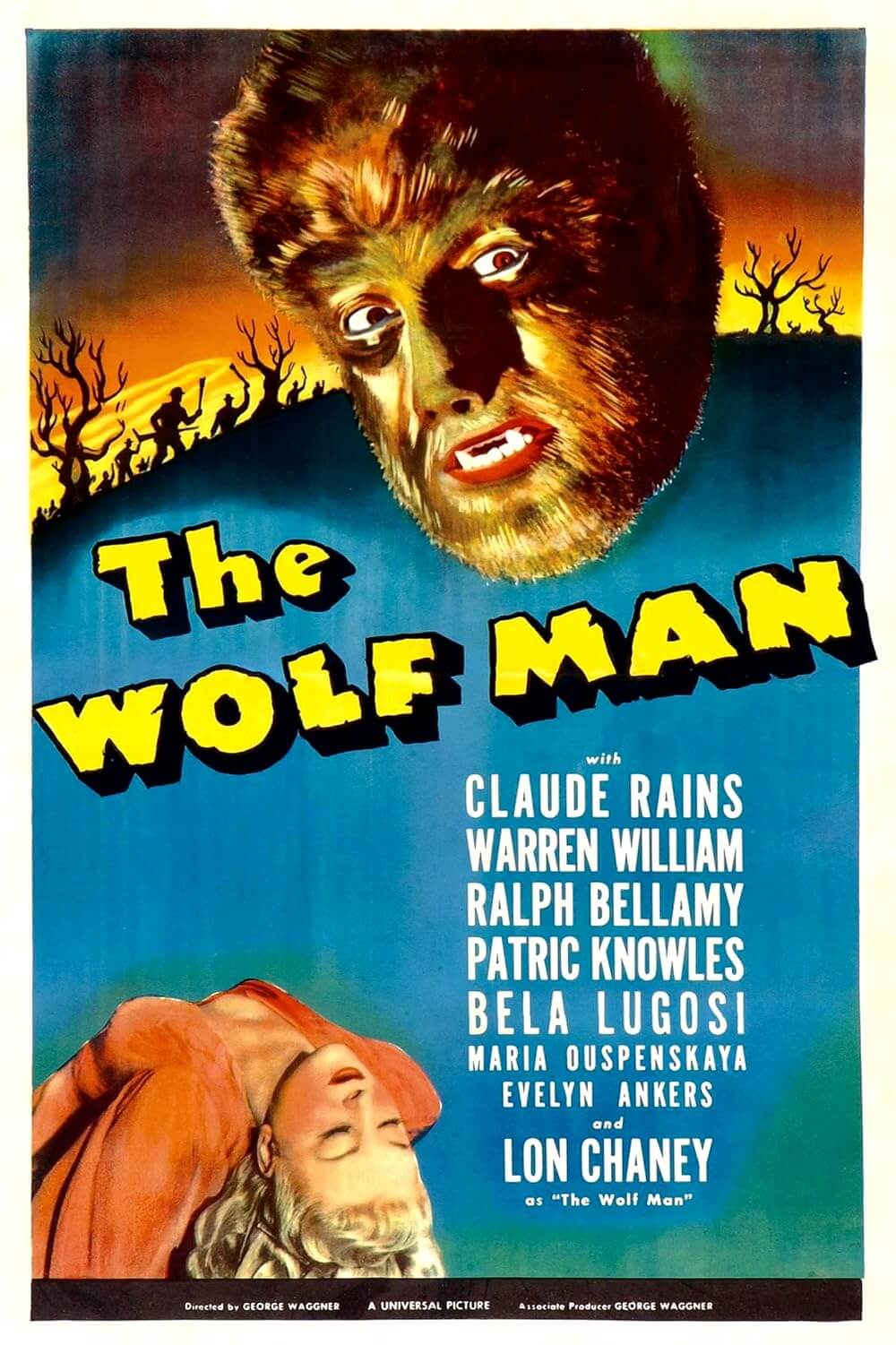
Shot in Oregon, the production looks stunning thanks to Stewart, who also serves as cinematographer and uses drones to capture sweeping aerial views of the lush Pacific Northwest forests. Stewart’s work is polished and unfussy, though some rogue shallow-focus shots pull our attention to odd, unimportant details. Downey has multiple duties as well, editing his picture with admirable slow-burn patience that ultimately gives way to a tense and fascinating reveal. Some of The Cycle’s marketing has outed this secret creature feature as a werewolf movie, and the film is among the more creative examples of this often-disappointing subgenre. Many recent examples from The Wolfman (2010) to Wolf Man (2025) rely on shoddy CGI. But fans usually celebrate the hand-crafted transformations seen in The Wolf Man (1941) and An American Werewolf in London (1981). Special effects supervisor Patrick Magee’s wonderfully nasty, genuinely disturbing puppet and gore work delivers some of the best werewolf terror I’ve seen in a recent movie.
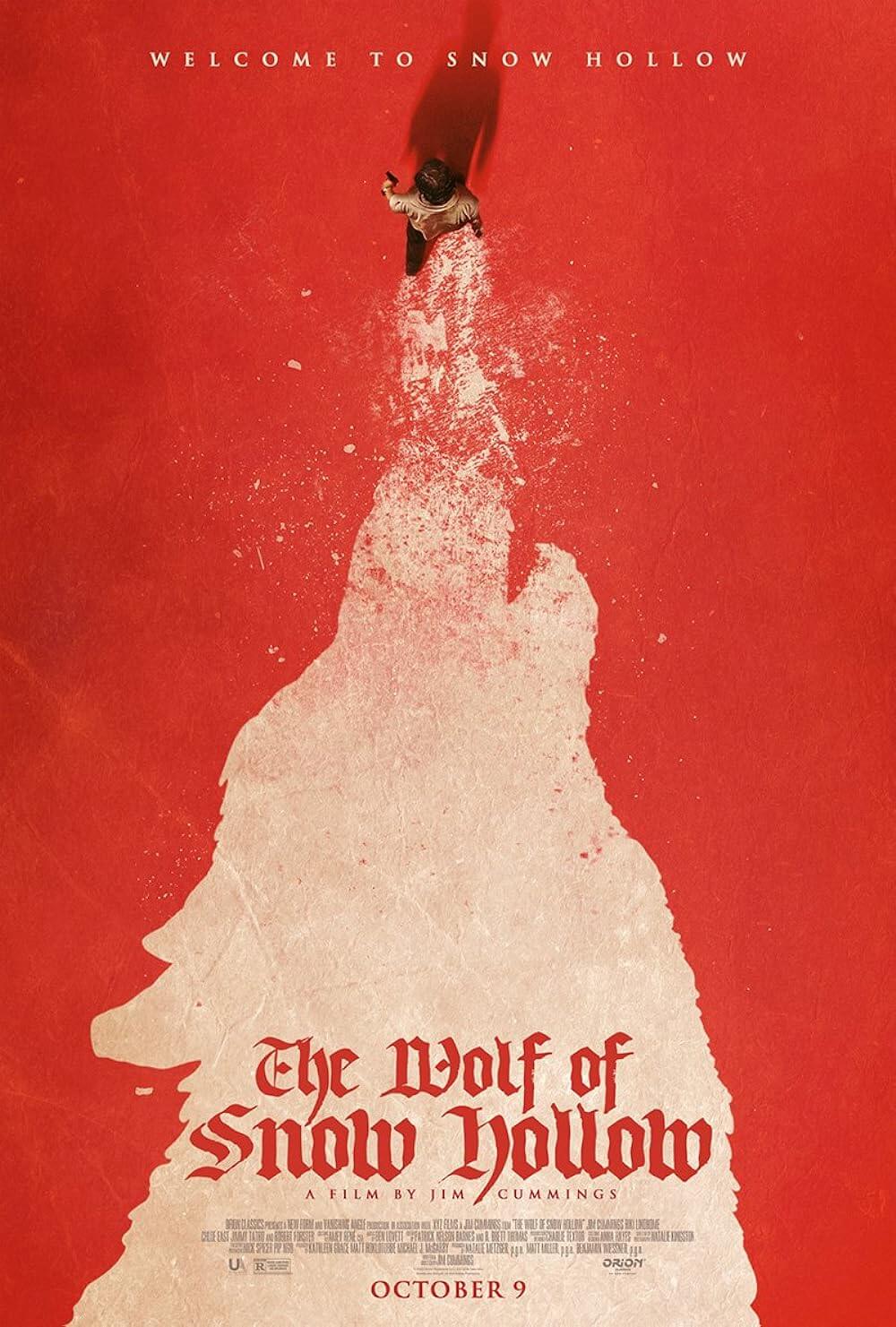
Bigger budgets mean bigger financial risk, pushing major-studio werewolf movies toward less inventive choices, such as digital effects. However, monster movies thrive in the low-budget space, where scrappy creatives must find modest, practical solutions rather than relying on overblown spectacle—delivering precisely the hands-on craft many horror enthusiasts want to see. Although The Cycle’s writers sometimes get heavy-handed with lofty themes about fathers and with discussions of coincidence versus fate, Downey’s work belongs in the same discussion as Jim Cummings’ The Wolf of Snow Hollow (2020), Josh Ruben’s Werewolves Within (2021), and Larry Fessenden’s Blackout (2024). It boasts some memorable bloody kills, a stirring performance from Woll, and novel ideas about werewolf mythology that promise this genre mashup will be remembered.
Like DFR? Support us.
This site exists because readers like you care about film. If DFR has enriched your experience with movies, I’d be grateful for your support. You have a few options:
• Join DFR’s Patreon community
• Make a one-time donation on PayPal
Whatever option you choose, it helps keep my work independent. And it means a lot to me.
Thank you for reading, and for making this work possible.
Brian Eggert | Critic, Founder
Deep Focus Review