Disclosure Day
By Brian Eggert |
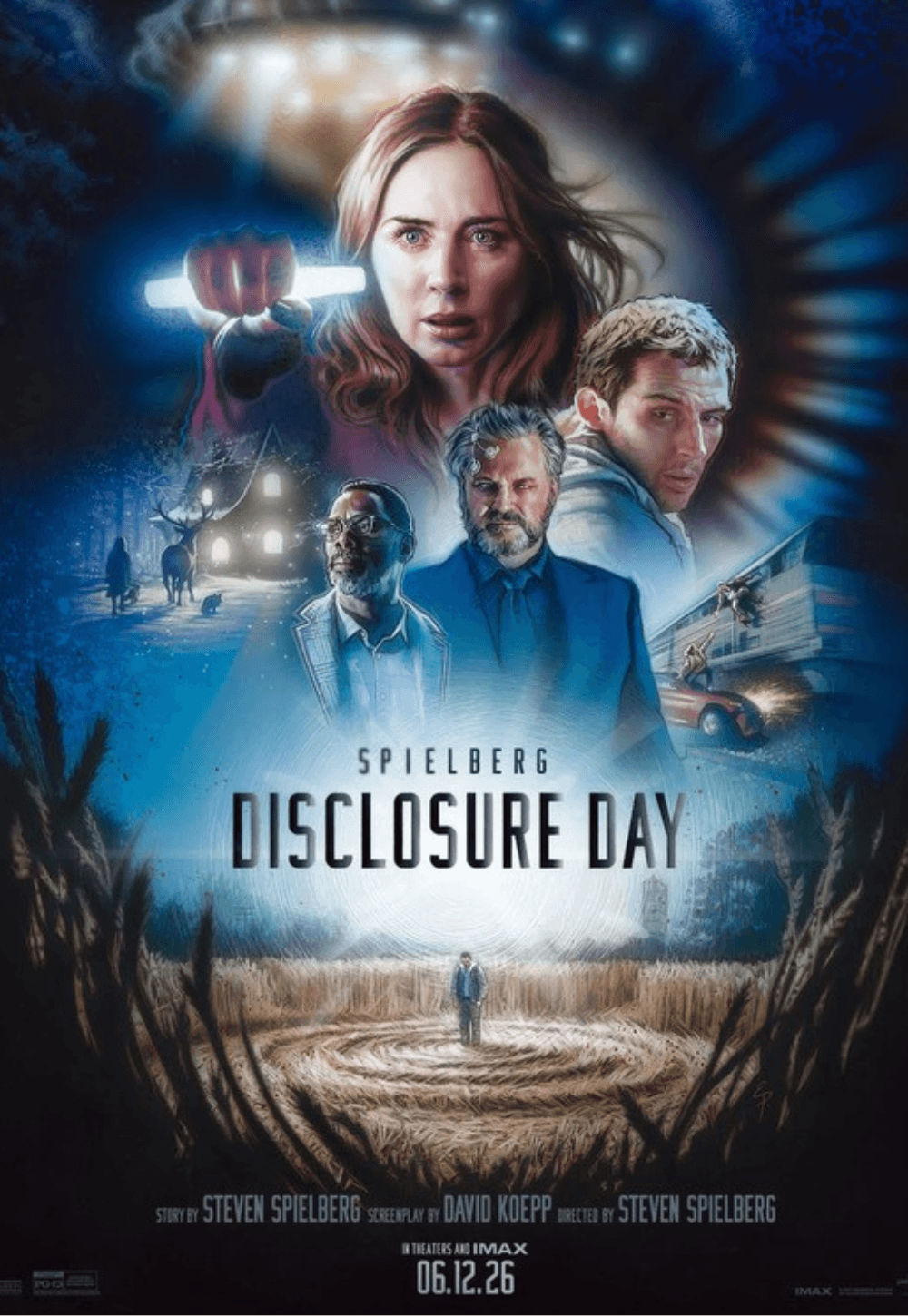
Steven Spielberg’s Disclosure Day opens from a wrestler’s perspective, his face—the camera—getting pummeled by the bottom of his opponent’s boot. In a dizzying POV shot, the wrestler is tossed around the ring like a rag doll. This jarring first sequence is uncommon for a director whose films usually begin quietly and crescendo from there. It’s as though Spielberg doesn’t want to risk losing today’s distractible audience with the usual mysterious calm that, in his films, tends to precede a shark or dinosaur attack, the discovery of a lost relic, or the arrival of an extraterrestrial. Instead, he kicks us in the face to get our attention, and throughout, keeps us absorbed with a combination of conspiratorial thrills and dazzling set pieces. By the final moments of this two-and-a-half-hour masterpiece, Spielberg beckons us to prick up our ears and hear what’s being said, and receive the message with an open heart. Perhaps no filmmaker is more skilled at capturing his audience and holding our attention. How appropriate that his signature shot is often someone rapt by a spectacular or uncanny image, unable to look away. But with Disclosure Day, he wants us to do more than look; he wants us to listen, and then look inward.
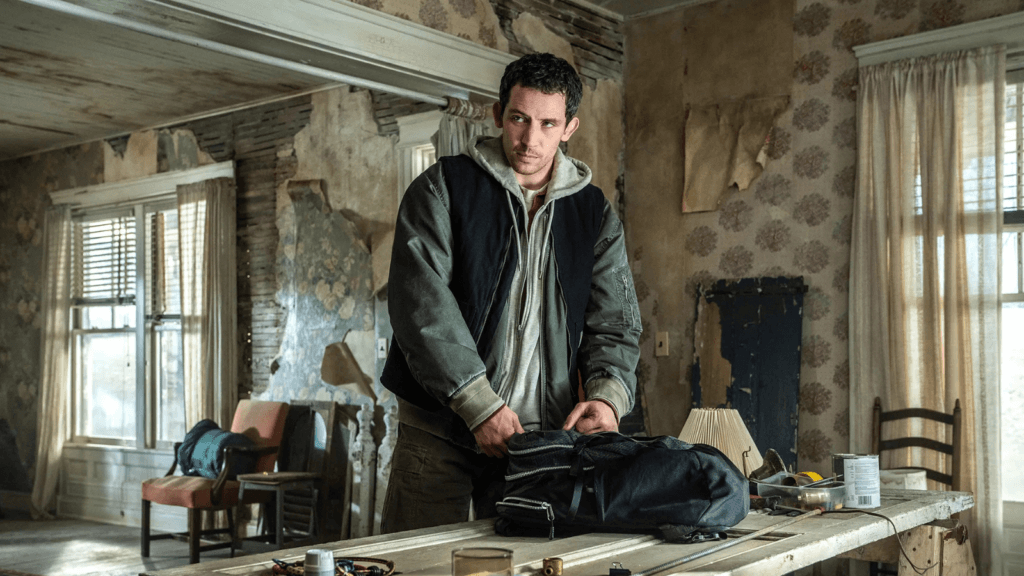
Opening the film inside a chaotic arena might also be the director’s nod to Brian De Palma, his longtime friend. De Palma and Disclosure Day’s screenwriter, David Koepp, collaborated on Snake Eyes (1996). That thriller began similarly, in a boxing venue, and, much like Spielberg’s latest, involves a conspiracy that uses the noisy setting, teeming with rabid fans, as a cover. After tossing a wrestler around the ring to engage his audience, Spielberg draws our eyes to Daniel Kellner (Josh O’Connor), a cybersecurity expert for an ultra-shadowy agency called Wardex (a homonym for Ward X, a term often used in medical facilities and genre fiction to describe highly secure, segmented areas for delicate patients or top-secret projects). A Snowden-like whistleblower, Daniel has arranged a public meeting with the people from his company who have kidnapped his girlfriend, Jane (Eve Hewson). He has stolen the Wardex data files that they hired him to protect, which contain decades of secret footage. And he has schemed to make the information public with the help of another erstwhile Wardex employee, Hugo (Colman Domingo), who operates out of a warehouse staging area. For what, we will not find out until much later.
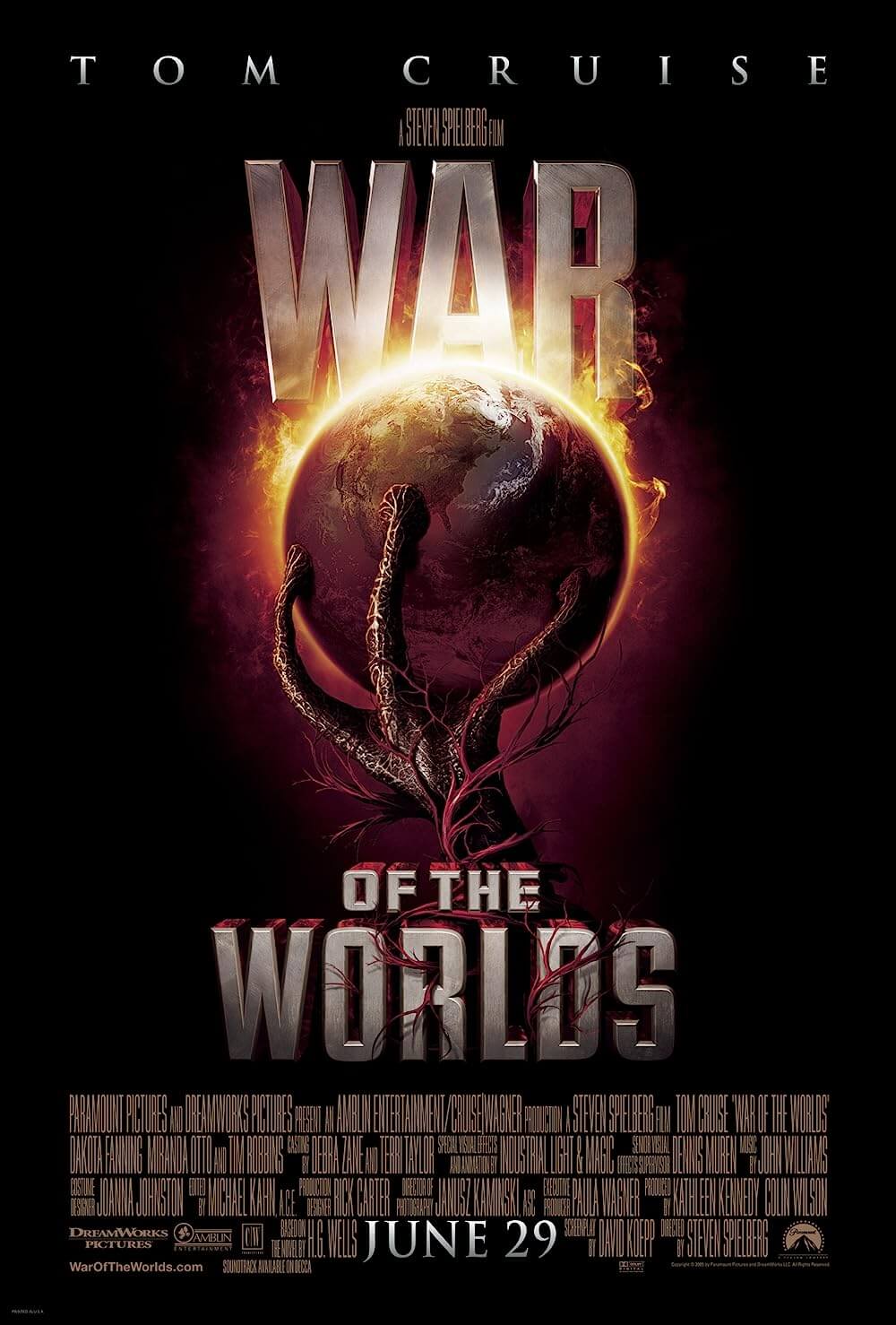
Koepp and Spielberg have worked together several times before, most notably on Jurassic Park (1993), War of the Worlds (2005), and Indiana Jones and the Kingdom of the Crystal Skull (2008). The latter two involved aliens. And while their previous team-ups explored existing properties and franchises, Disclosure Day originated with Spielberg, who taps into his lifelong obsession with UFOs and the possibility of alien life. The interest was instilled in him at a young age by his father, a scientist and tech enthusiast who believed there must be intelligent life in the universe beyond our planet. And so, when the 17-year-old Spielberg shot his debut film, Firelight (1964), for $500, starring his high school classmates, it centered on a series of alien abductions. Just over a decade later, after he had proved his directorial clout on his breakout hit, Jaws (1975), and he was given a veritable blank check to make anything he wanted, what did he make? Close Encounters of the Third Kind (1977), an awe-inspiring tale about humanity’s first substantial contact with aliens.
All of this background is to illustrate Spielberg’s enduring enthusiasm for the subject, which makes Disclosure Day a kind of passion project—rather than another anonymous blockbuster released during the summer movie season. The timing of the film’s release is perfect, too, given the Pentagon’s recent spate of declassified military and NASA videos of so-called UAPs (Unidentified Anomalous Phenomena), a descriptor chosen to replace the stigmatized term UFOs. Officials have flat-out admitted they cannot explain the objects flying at speeds and performing maneuvers believed impossible with known technologies, though some hesitate to label them extraterrestrial in origin. However, some whistleblowers from within the US government have testified that they recovered “non-human biologics” and technology that has been reverse-engineered over decades. Last year, David Farah’s documentary, The Age of Disclosure, examined the recent testimony, offering little new evidence but featuring several interviewees in official government positions (senators, state representatives, etc.) who confirm these accounts. Given the recent real-world disclosures, it’s baffling how this isn’t bigger news.
In any case, fueled by his staunch belief that aliens have visited Earth many times before and may even be living among us, Spielberg weaves a thoughtful, fast-paced narrative that treats the titular public unveiling of this information as the ultimate test of our humanity. Will we respond with fear of the unknown? Or will we welcome these visitors? Can we empathize with another species from a faraway planet? Or will we react with paranoia and violence? Certainly, these questions have been raised before. The Day the Earth Stood Still (1951) found aliens arriving in Washington, D.C., to deliver an ultimatum: end your violent ways, or we’ll end you. In a way, Spielberg and Koepp’s film is more optimistic about the aliens’ empathy for humankind’s flaws than other science-fiction movies have been. And when Disclosure Day relentlessly leaps from one incredible sequence to the next, it does so without sacrificing existential questions about identity, faith, and our future in a universe populated by intelligent life from other worlds.
The story unfolds against a backdrop of mounting global tensions between the United States, Russia, and North Korea, making Daniel and Jane’s escape feel even more urgent. On their trail is Wardex head Noah Scanlon (Colin Firth), a looming figure who believes society would collapse if people knew the truth. Upon learning these secrets, Jane, who knows nothing about Daniel’s work or what Wardex wants with him, questions whether this information should be made public. A one-time novitiate, she worries that the revelation could lead to a widespread loss of religious faith. However, writers such as Philip K. Dick, whose short story Minority Report was adapted by Spielberg in 2002, suggested that what we call “god” might be an alien with advanced technology. Similarly, Arthur C. Clarke famously believed that “Any sufficiently advanced technology is indistinguishable from magic.” Why not also religious miracles? Then again, can’t there be both aliens and deities? After all, as one character points out, the Christian Bible uses the phrase “on the earth” numerous times in the Book of Genesis, suggesting that the divine might have had other plans in other solar systems.
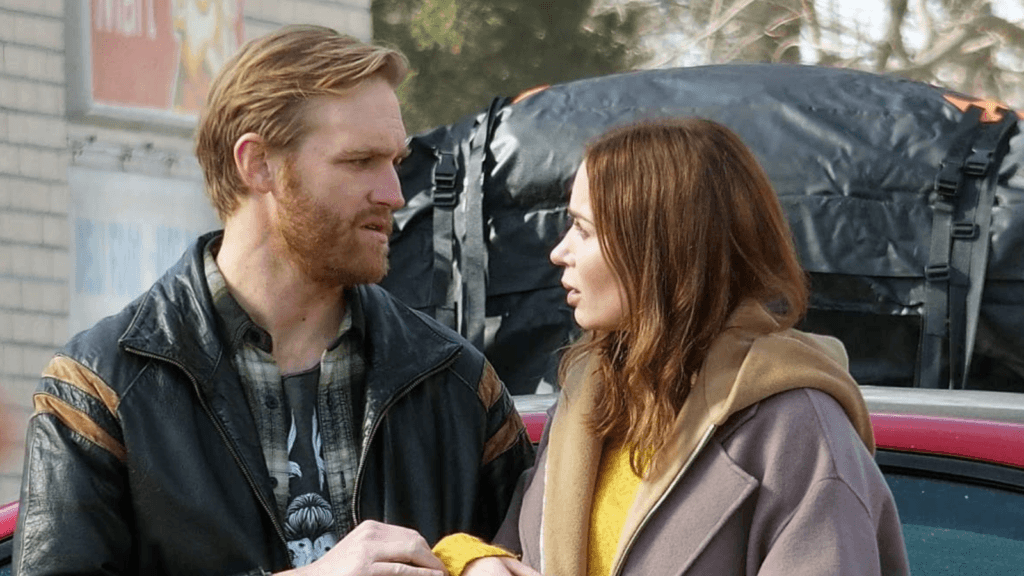
Disclosure Day then veers to Kansas City, where Margaret Fairchild (Emily Blunt), a meteorologist at a local television station, debates her future with her musician boyfriend, Jackson (Wyatt Russell). Suddenly, a single cardinal flies into their apartment through an open window and locks eyes with Margaret in a hypnotic stare. Jackson shoos the bird away, leaving Margaret with a peculiar drive that she later describes as feeling like a “passenger” in her own body. Daniel experiences something similar, and both characters have childhood trauma and gaps in their memory. Later, a key scene will involve both of them recalling those suppressed memories. After the avian encounter, Margaret can speak languages she didn’t know before, and, looking into someone’s eyes, she can instantly know their most hidden thoughts and secrets. In time, Margaret and Jackson, like Daniel and Jane, find themselves on the run from Wardex, which inevitably leads the two parties to the same location, guided by cryptic instructions from Hugo. To be sure, Disclosure Day‘s unyielding thrust presents as a series of chases and escapes, many marked by Wardex’s unique gizmos and the gradual uncovering of a global conspiracy.
Besides his screenwriter, Spielberg reteams with many of his usual collaborators. He and Janusz Kamiński work together here on their twentieth feature since Schindler’s List (1993), and the cinematographer once again employs fluid movements and lens flares from intentionally overexposed 35mm film stock—a method he implemented on A.I. Artificial Intelligence (2001) and Minority Report to give them a distinct shimmer. His camera weaves in and out of fence posts, inside vehicles, and through walls, carrying the viewer along with breathless, nimble momentum. An early oner inside a television studio is simple yet breathtakingly executed. Sarah Broshar edits, as she has on Spielberg’s films since The Post (2017); before that, she worked as an assistant editor with Michael Kahn, who has cut most of the director’s work since Close Encounters. The incredible visuals are accompanied by an airy yet intricate score by John Williams, the 94-year-old composer who has written the music for thirty of the director’s films since The Sugarland Express (1974). At 79, Spielberg and his team demonstrate a spry energy few younger filmmakers could ever hope to match, and with a harmony of formal and narrative purpose seldom achieved by anyone other than seasoned masters.
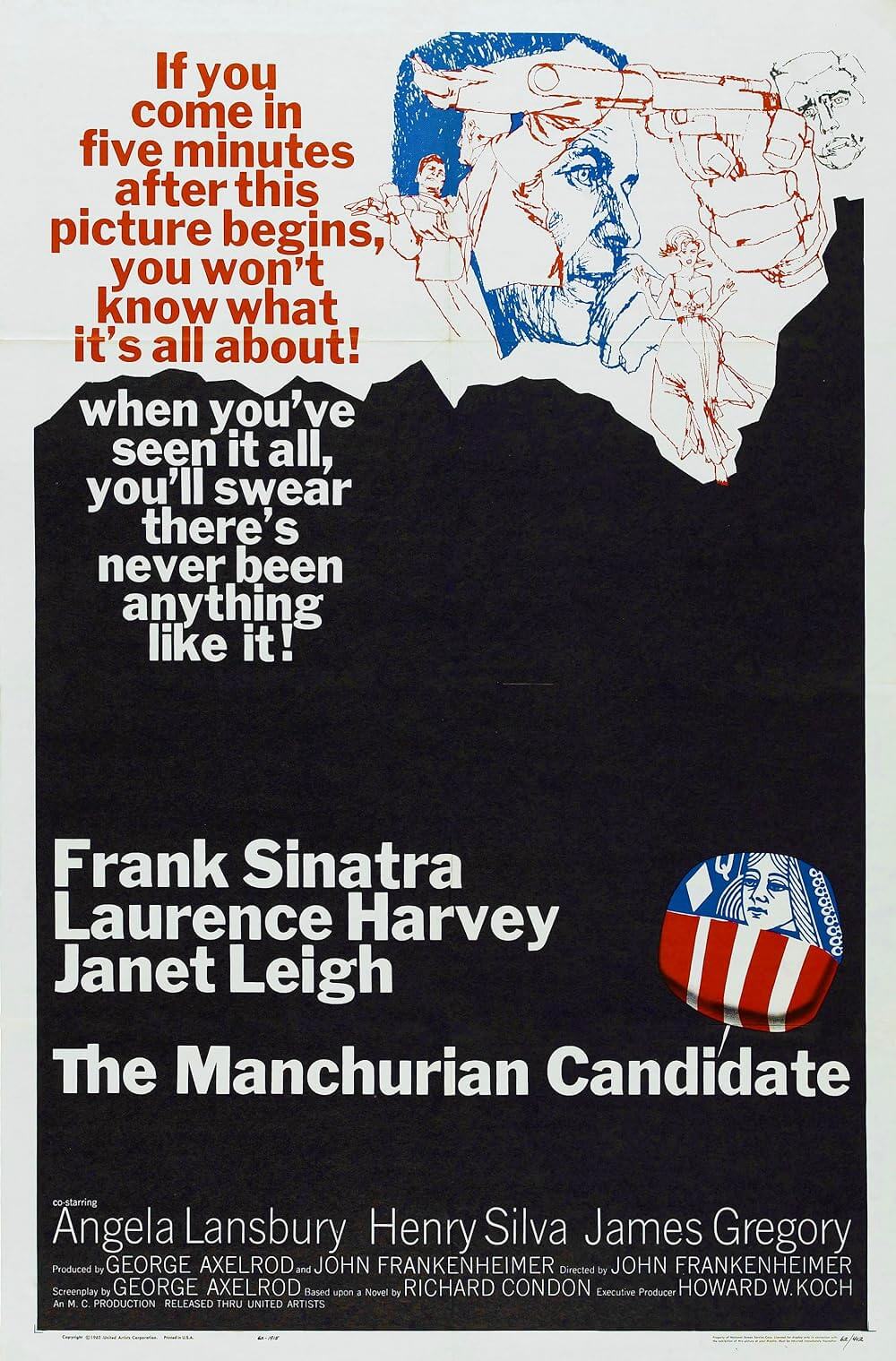
Watching Disclosure Day reminds us that Spielberg rarely pursues ideas for purely escapist ends; he’s driven by story and character. This might account for his tendency to point the camera at characters who react to something off-screen rather than emphasizing the spectacle. He is interested in people first. Still, he also creates virtuoso sequences that involve elaborate sci-fi concepts and a few traditional devices. Well-worn ideas such as car chases and a clutch-your-armrest train jump become renewed in his hands. A subplot involving Noah’s ability to “dive on” others by inhabiting and controlling their mind using alien technology makes the pursuit even more unpredictable, especially when he takes over Jane in a thread reminiscent of The Manchurian Candidate (1962). Elsewhere, as Margaret learns the advantages of her newfound abilities, she navigates danger with effortless ease, like the precognitive Agatha in Minority Report, anticipating every new hurdle. These scenes are so sharply written and performed, with Blunt deftly conveying Margaret’s vacillation between discovery, delight, and panic over her new condition. Each member of the ensemble is terrific, with O’Connor’s earnestness and certainty propelling the story forward. Domingo plays a character who is empathetic and intelligent, with a commanding yet kind voice. Firth is bold as the film’s villain, though not an irredeemable one. And Hewson, excellent in The Knick (2015-2016), has the most multifaceted role in spiritual terms.
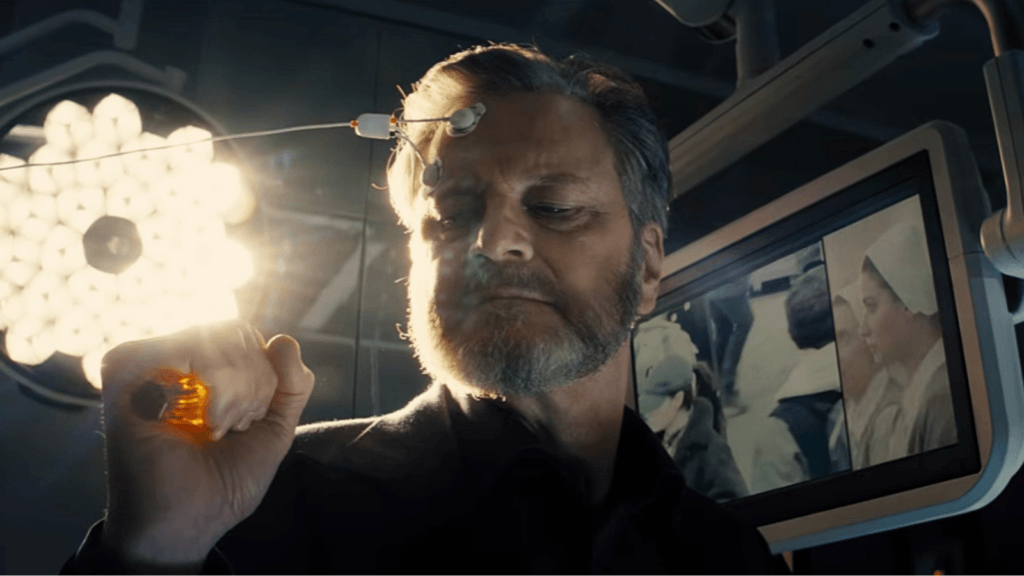
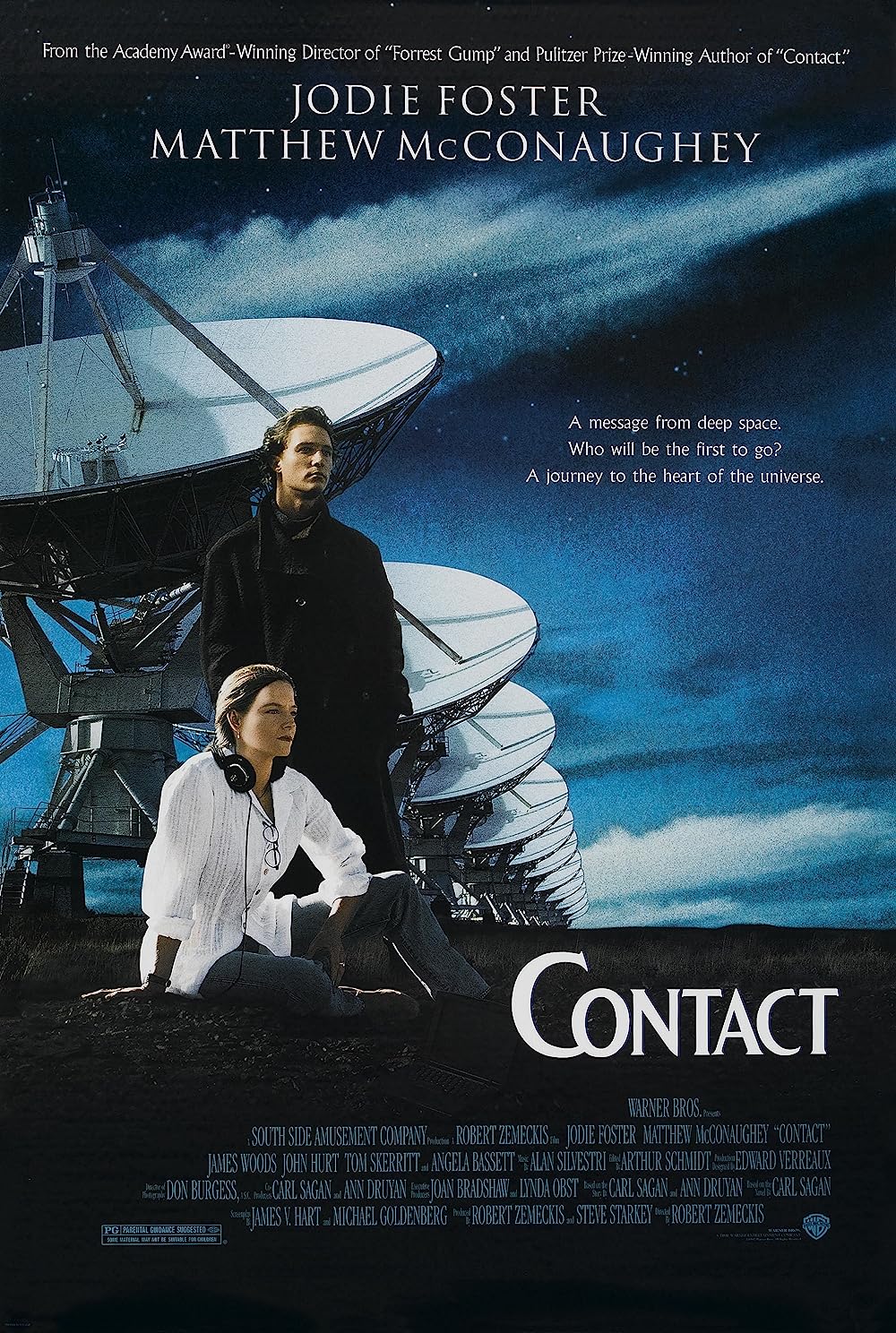
For all its Spielbergian technical flair, the film is boundlessly thought-provoking and thematically complex, grappling with the alien question in a manner reminiscent of Robert Zemeckis’ Contact (1997) and Chris Carter’s The X-Files (1993-2002, 2016-2018). Far less certain than Daniel are Jane and Noah. The former is the resident Dana Scully, who questions whether people can cope without the comfort their faith gives them, which Jane believes would crumble upon learning that their Christian conception of the universe isn’t built around Earth after all. Noah’s concerns extend into the sociopolitical; having seen petty governments squabbling over land and resources, he anticipates that humanity will come apart at the seams if the understanding that humans are the most intelligent lifeform is challenged. And though one can imagine a version of Disclosure Day in which Spielberg, ever the sentimentalist, risks indulging in an impossibly happy ending where everyone puts down their weapons and joins hands in hope of something better, he avoids such schmaltz (but he does show a whole world coming to a halt, glued to the news). He also avoids exploring the cynicism of doubters who wouldn’t believe their eyes. Instead, he keeps his audience aligned with the subjectivity of his true believer characters, who need people to know.
What elevates the film beyond its sci-fi framework is how Spielberg structures the central revelation as an allegory for the recovery of repressed memories and personal trauma. The titular “disclosure day,” then, is less about a global panic over alien visitors and more about Daniel and Margaret’s minds being forced to remember. By treating the global reveal of extraterrestrials as a parallel to the total recall of Daniel and Margaret’s buried memories, Koepp’s screenplay links the exposure of systemic lies with the work of uncovering long-buried psychological trauma. The characters’ journey isn’t simply about evading government conspiracies; it requires them to knock down their mental walls built to keep their pasts locked away. Revealing the aliens to the world is tantamount to addressing a therapeutic crisis. Just as the world’s comforting illusions must crumble in the face of a larger reality, the characters must allow their minds to shatter before they can heal. Spielberg crafts an elegant metaphor, arguing that we cannot truly connect with what lies beyond until we dare to look within.
Perhaps it goes without saying, but I loved Disclosure Day. It feels, in some ways, like a concentration of Spielberg’s sci-fi efforts. The word I wrote more than once in my notes was “wonderful”—as in full of wonder and imagination. The film contains philosophical questions like those found in A.I. Artificial Intelligence and Minority Report, the conspiratorial chase and amazement of Close Encounters, and the childlike embrace of the unknown found in E.T.: The Extra-Terrestrial (1982). It’s imbued with a blend of Atomic Age fascination with aliens, as seen in Kingdom of the Crystal Skull, and the modern insights of a powerful director with the clout to consult experts and allude to the real story currently in the headlines. Spielberg belongs on a shortlist of auteurs capable of balancing popcorn-munching entertainment and inspired genre ideas with deeper questions, all while encouraging us to have an open, empathetic heart. And in the midst of so many dull and soulless Hollywood products, whose sole ambition is to generate a profit by exploiting intellectual property to its fullest, seeing Disclosure Day—a film that deserves to be gushed over—is both a reminder and a reaffirmation of Spielberg’s status as one of cinema’s greatest filmmakers.
Like DFR? Support us.
This site exists because readers like you care about film. If DFR has enriched your experience with movies, I’d be grateful for your support. You have a few options:
• Join DFR’s Patreon community
• Make a one-time donation on PayPal
• Buy me a coffee
Whatever option you choose, it helps keep my work independent. And it means a lot to me.
Thank you for reading, and for making this work possible.
Brian Eggert | Critic, Founder
Deep Focus Review