Wildwood
By Brian Eggert |
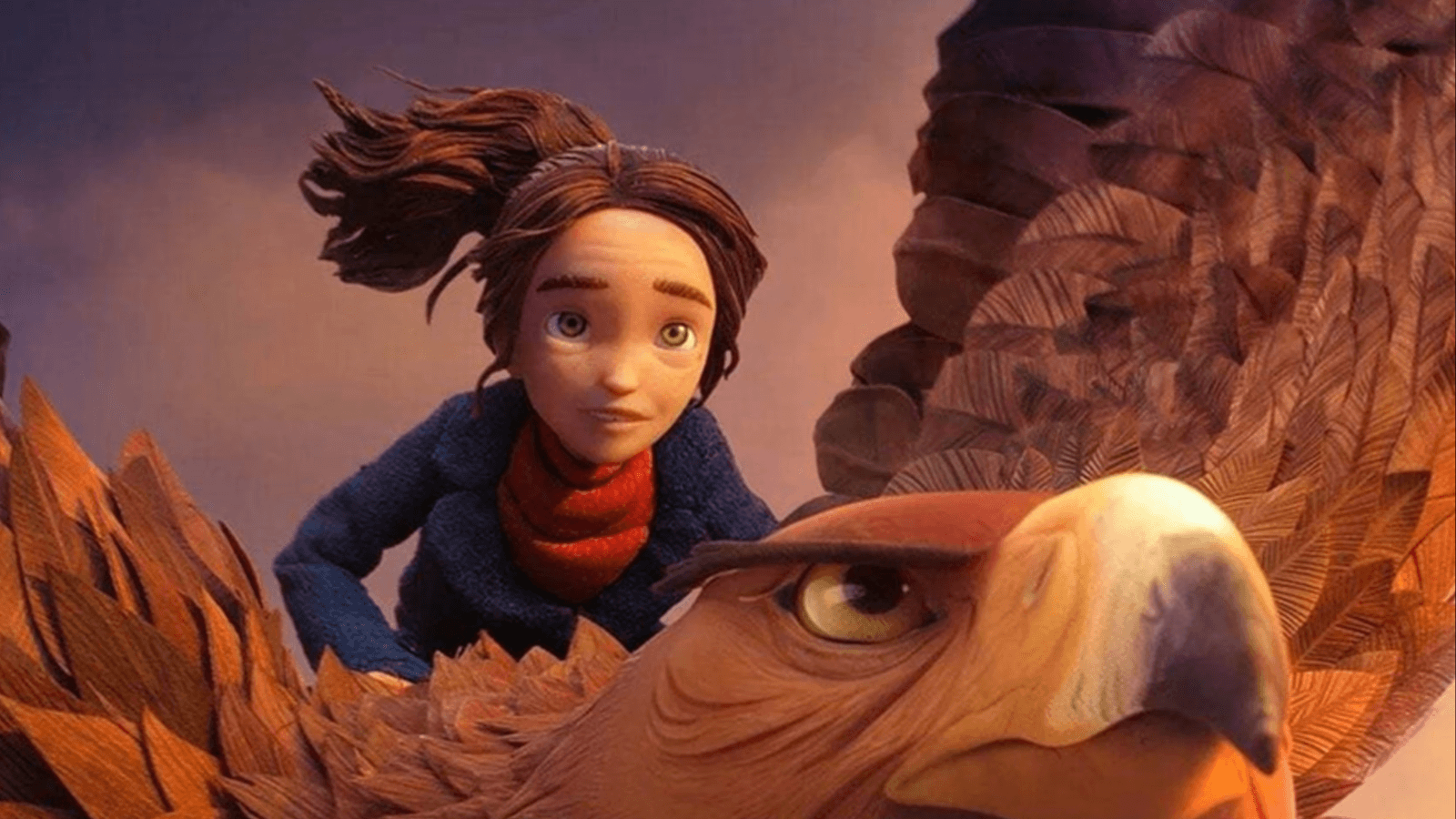
“I don’t know if this is terrifying or adorable,” says Prue, the teen hero of Wildwood. Her sentiment also describes Laika’s latest stop-motion animated wonder, based on the 2010 book by Colin Meloy, frontman of The Decemberists, and illustrated by his partner Carson Ellis. The story takes place largely in the Impassable Wilderness, just outside of Portland, Oregon, which is shrouded by a concealing spell. The forest is inhabited by people and pantless talking animals alike, all plagued by darker currents and conflict beneath the surface. But these aren’t Disney archetypes. Here’s an adventure that opens with a suicide and then features a Faustian deal, an unplanned pregnancy, a child kidnapping, an evil plot involving human sacrifice, and armies colliding in bloody battles. It’s unquestionably Laika’s most ambitious and daring production to date, boasting a 131-minute runtime, a PG-13 rating, and an epic scale that would be budgetarily impractical for a live-action production, even at the reported $100 million price tag. But the masters at Laika show animation’s limitless possibilities in their awe-inspiring new film, spinning a yarn more suited to enthusiasts of the medium than to youngsters.
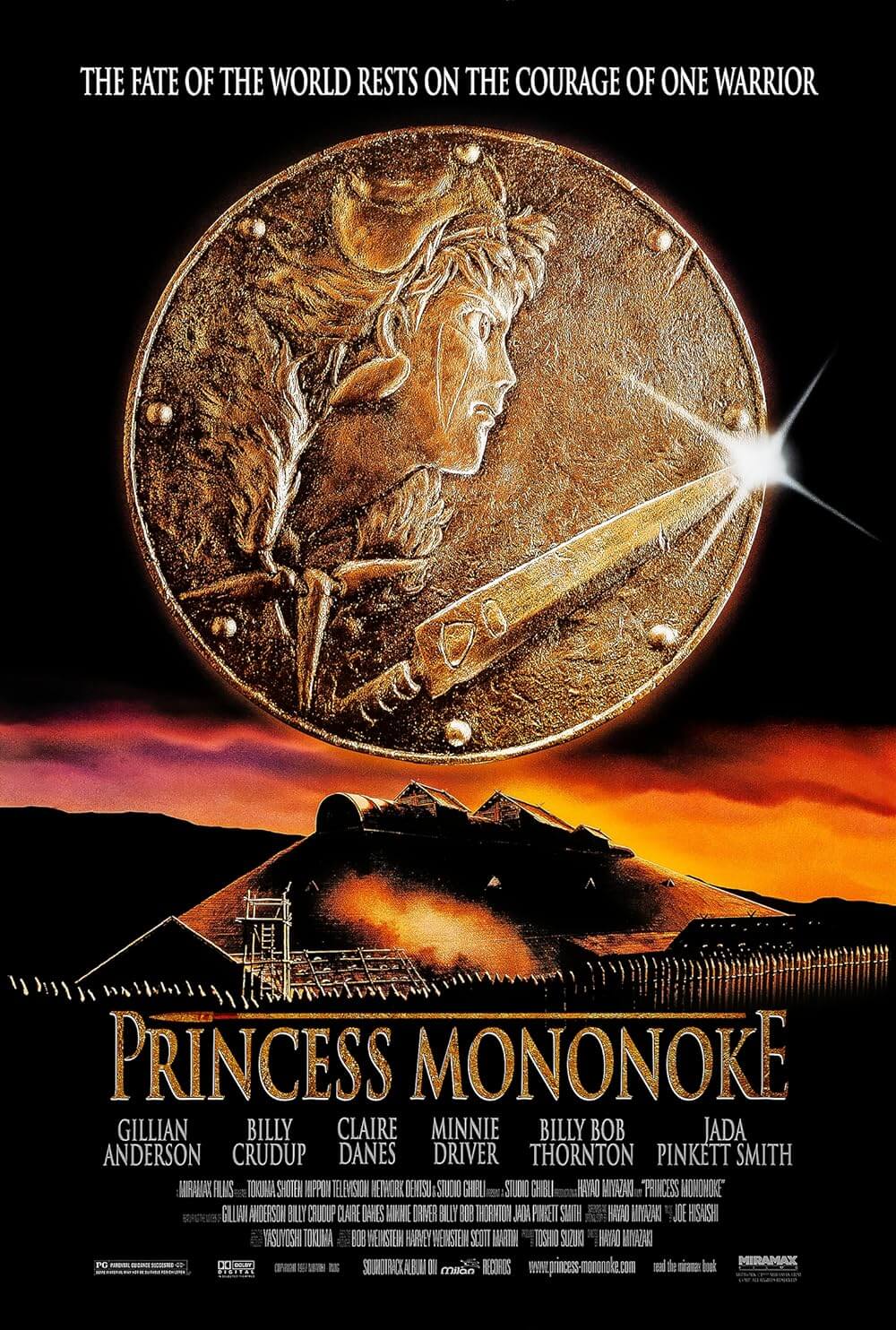
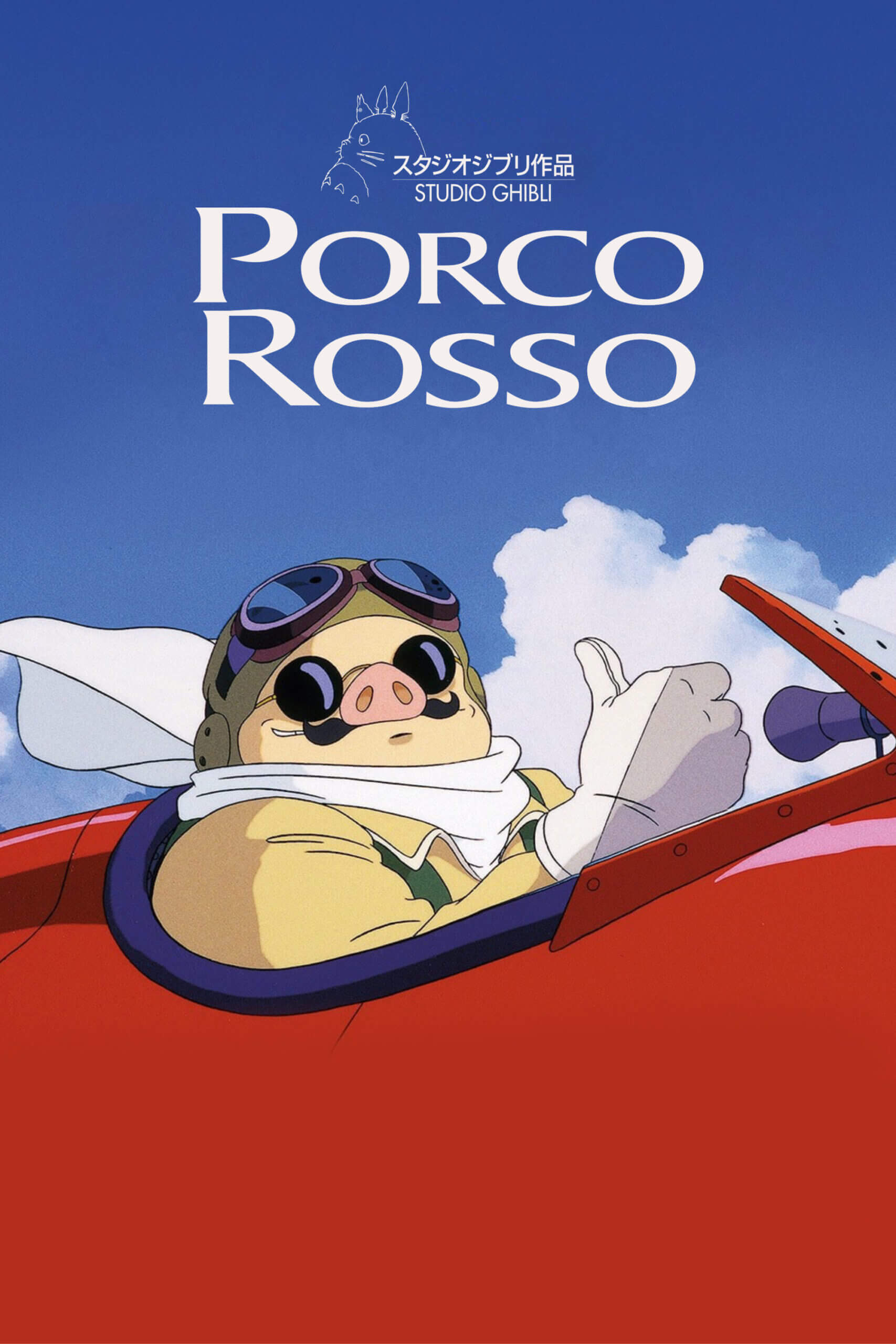
The material’s appeal is obvious for the Portland-based company, whose President and CEO, Travis Knight, helmed Kubo and the Two Strings (2016) and also directs Wildwood. The opening scenes in modern-day Portland have that quirky personality that made Portlandia (2011-2018) such an odd pleasure, with hipsters and artisan types filling the backdrop. After a quick and chaotic bike ride through the city, Prue, voiced by Peyton Elizabeth Lee, rests at the park with her toddler brother Mac and a tagalong nerd, Curtis (Jacob Tremblay). Prue has ignored her bohemian parents’ (Jake Johnson, Maya Erskine) instructions by taking Mac outside, and it’s a mistake she will soon regret. In a scene that might’ve been in Alfred Hitchcock’s The Birds (1963), a murder of crows swoops down and carries Mac away into the dense, misty forest where outsiders shouldn’t be able to enter. Along with Hitch, the filmmakers might also draw from The Ruins (2008), given how vines serve as an elemental force in the forest. The hand-drawn animated films of Japanese auteur Hayao Miyazaki also shaped Wildwood. Given the magical forest and the tragic female villain, Meloy had Princess Mononoke (1997) on his mind when he sat down to write his book.
Prue and Curtis head into the Impassable Wilderness to find Mac, and they discover bloodthirsty coyote soldiers, who mark their territory and lick themselves while in service of Alexandra (Carey Mulligan, terrific), a dowager governess. Alexandra has stolen Mac, hoping to use him to resurrect her dead son. As a former ruler of the land, this sympathetic but ultimately mad villain remains at odds with the various factions of animals and humans, all of whom have been at each other’s throats. Almost immediately, Prue and Curtis are separated. She ends up captured by the bureaucracy-ruled government in a lavish mansion, leading to a breathless escape—a dazzling sequence punctuated by animal-centric visual gags and fluid camerawork. Meanwhile, Curtis becomes Alexandra’s surrogate son and realizes too late that she has monstrous designs to rid the land of bandit king Brendan (Mahershala Ali), who leads a scrappy army of heroic rebels. The setup draws from Joseph Campbell’s The Hero with a Thousand Faces (1949), a template that has informed everything from Star Wars to Harry Potter. One could easily draw parallels between Wildwood and classic adventures, and that familiarity is part of its charm.
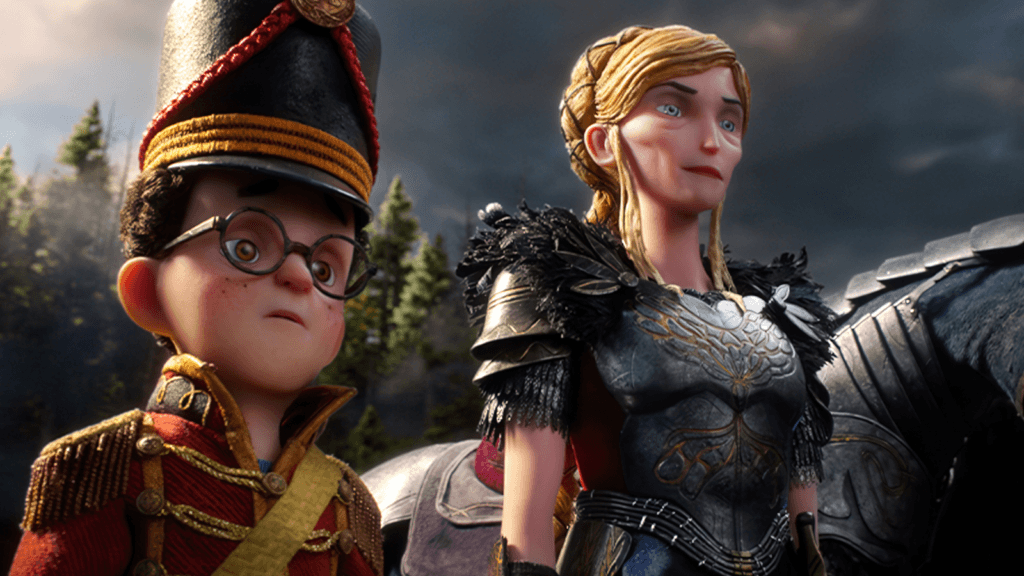
The story culminates in a battle between armies that rivals any Hollywood spectacle. It’s replete with decapitations, explosions, and warring violence on a scale only Ridley Scott could achieve. Throughout the climax, I couldn’t believe my eyes—both because the action looks incredible and because it’s rare to see this frenzied level of combat in stop-motion. The logistics and coordination are unthinkable (here’s hoping for a making-of doc on the physical media release). The filmmakers employ CG animation to augment their work, particularly for fire, rain, and flocks of birds. But these instances prove minor and passable next to the stop-motion work. Each moment also receives another essential layer from the voice performances. Some actors, such as Richard E. Grant as Owl Rex or Jemaine Clement as a human bureaucrat, disguise their personas. Others, like Tom Waits, who voices the devoted head of Alexandra’s coyote army, supply their own voice that couldn’t be more appropriate. However, Awkwafina and Charlie Day, who play the noble rat Septima and good-guy coyote Dmitri, respectively, deliver two of the most heartening characters with distractingly recognizable voices.
With cinematography by the 82-year-old legend Caleb Deschanel, Wildwood looks luminous and downright stunning in every sequence. Deschanel shoots the 3D-printed, sculpted, and shaped figures with a tangible quality so striking it’s almost distracting. It’s also a testament to the animators that the viewer never forgets the process took five years to complete. I occasionally found myself lost in the detailed feathers and lines on the enormous eagle General, voiced by Angela Bassett, or suddenly engrossed in the production’s practical sets, populated by hundreds of puppets. The planning and patience involved are astounding. But then I snapped back into the story, realizing that I’d missed a line or two of dialogue during my appreciative gaze. I’m torn on this, because maybe that’s a sign the story could be stronger, or maybe it’s the nature of animation, wherein, more than in live-action filmmaking, every frame represents untold hours of effort. It’s even more extraordinary that Laika has outdone itself and every other studio that’s ever worked in stop-motion animation. No other production has been so monumental in the format.
For all of Laika’s visual splendor and attention to detail, Wildwood’s story resorts to some generic ideas; however, screenwriter Chris Butler, who wrote the company’s ParaNorman (2012) and Missing Link (2019), can hardly be blamed. Meloy seems to have drawn from a familiar fantasy playbook, with an all-knowing spirit tree, a giant saves-the-day eagle, corrupt royals, sympathetic bandits, and massive battles. The story also suffers from a problem that affects many adventures: the hero is the least interesting character. There’s not much to Prue, who’s rather dull as she gets pushed and pulled through the narrative, whereas Curtis has a more compelling arc, going from a nerd to someone who knows what it feels like to kill. Nevertheless, Wildwood is remarkable from scene to scene, even when it’s exploring thoroughly mapped territory. Vitally, it’s a film that exists because it was created primarily by human hands over digital tools, and visionaries over artificial intelligence. As usual, Laika’s end credits sequence shows a glimpse of the stop-motion animators at work, and it’s impressive to see, particularly given the sheer scale of this production.
Like DFR? Support us.
This site exists because readers like you care about film. If DFR has enriched your experience with movies, I’d be grateful for your support. You have a few options:
• Join DFR’s Patreon community
• Make a one-time donation on PayPal
Whatever option you choose, it helps keep my work independent. And it means a lot to me.
Thank you for reading, and for making this work possible.
Brian Eggert | Critic, Founder
Deep Focus Review