Short Takes
Paul McCartney: Man on the Run
By Brian Eggert |
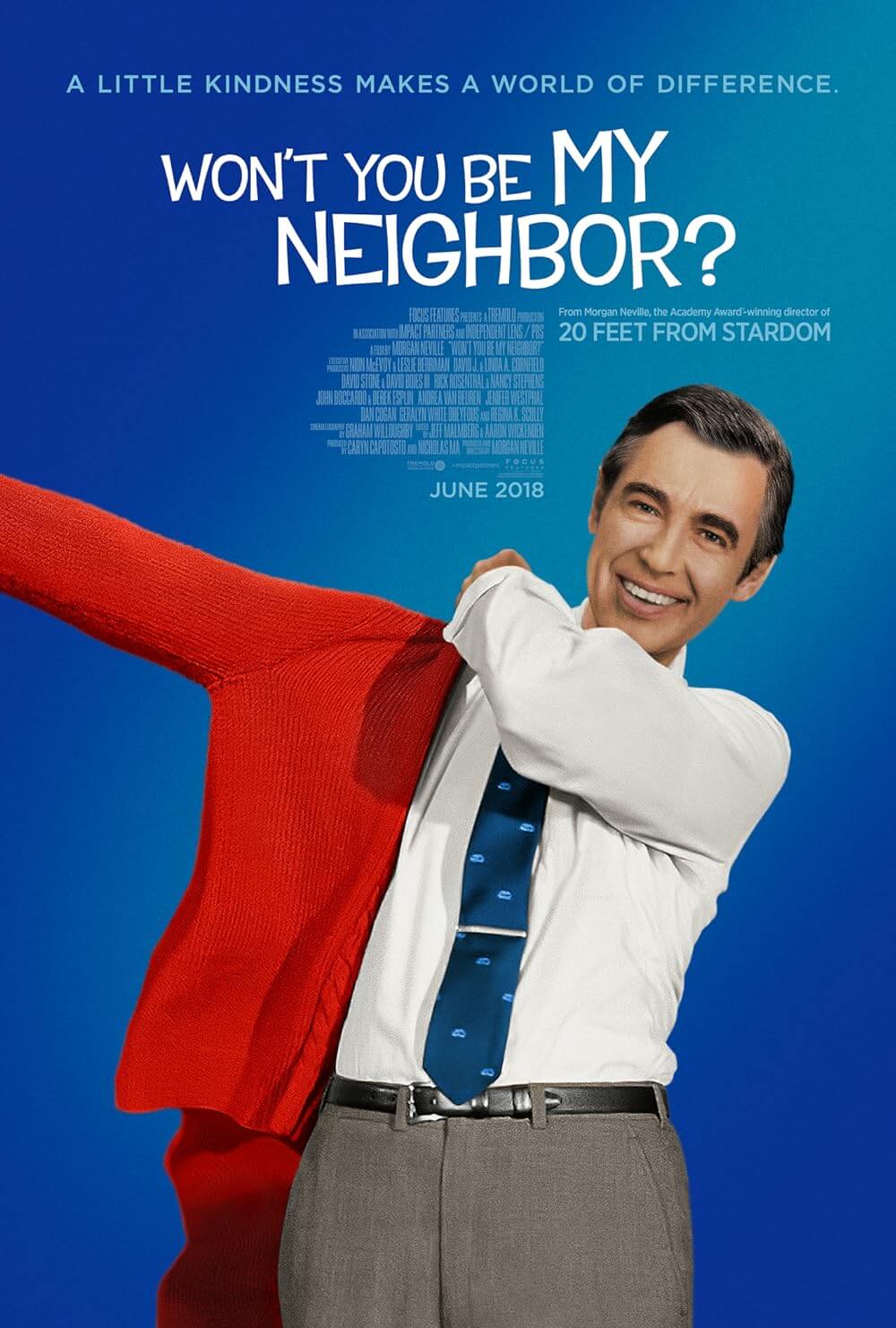
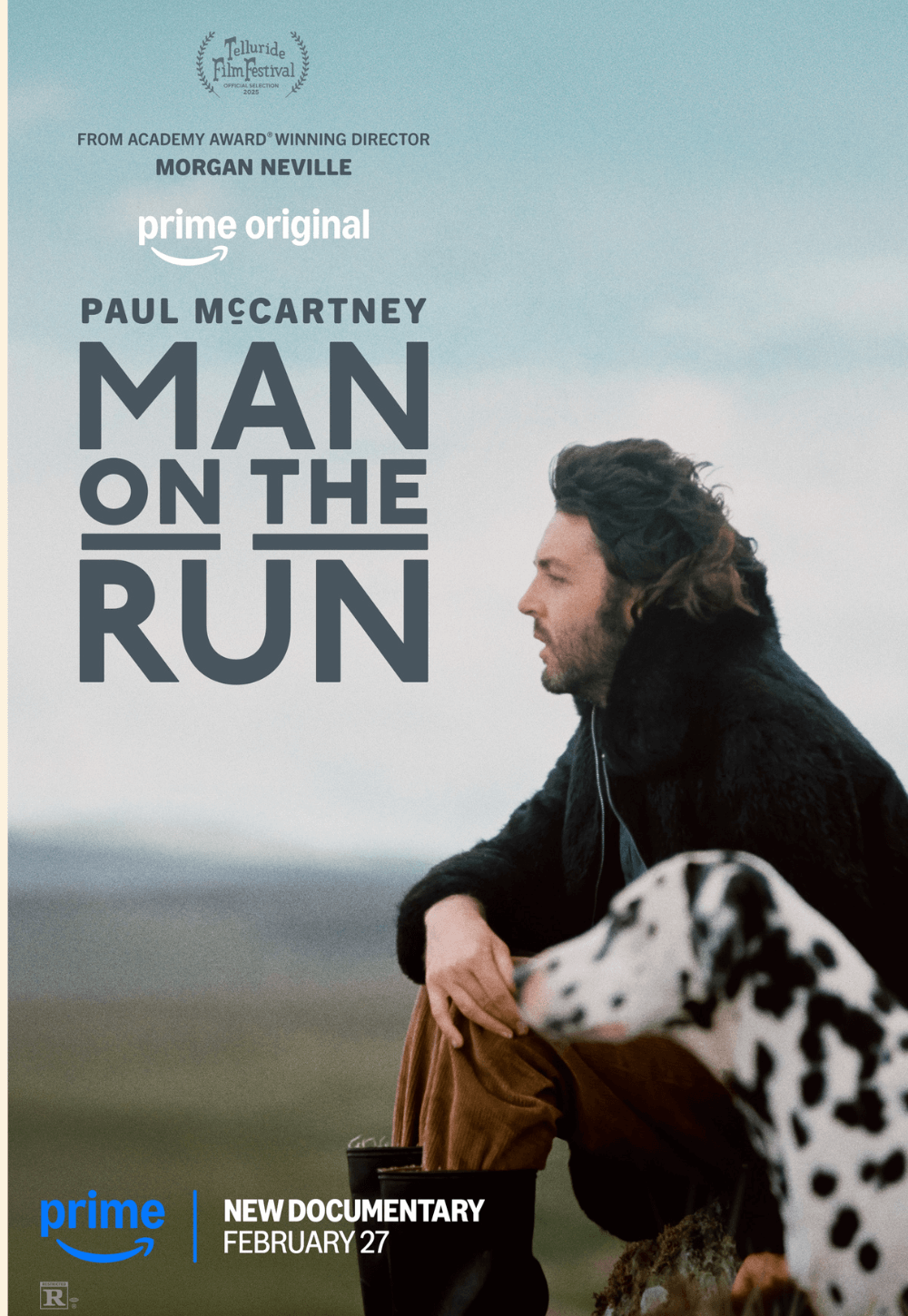
At the mention of Paul McCartney, images of the Beatles are probably the first to come to mind. But Morgan Neville’s documentary Man on the Run crafts an alternate portrait of the musician, centering on his immediate post-Fab Four solo career and the foundation of Wings. Neville has made films about several iconic figures, including Orson Welles, Fred Rogers, and Anthony Bourdain. His latest examines McCartney’s search for “personal peace” in the wake of Beatlemania. Thoughtfully interweaving his subject’s voice-over commentary with archival concert footage, news coverage, and behind-the-scenes home video, Neville shows an experimental side to McCartney that traditionally goes overlooked next to his collaboration with John, George, and Ringo. Neville ultimately reminds us that one of the most famous musicians of all time somehow remains underappreciated for the full breadth of his work.
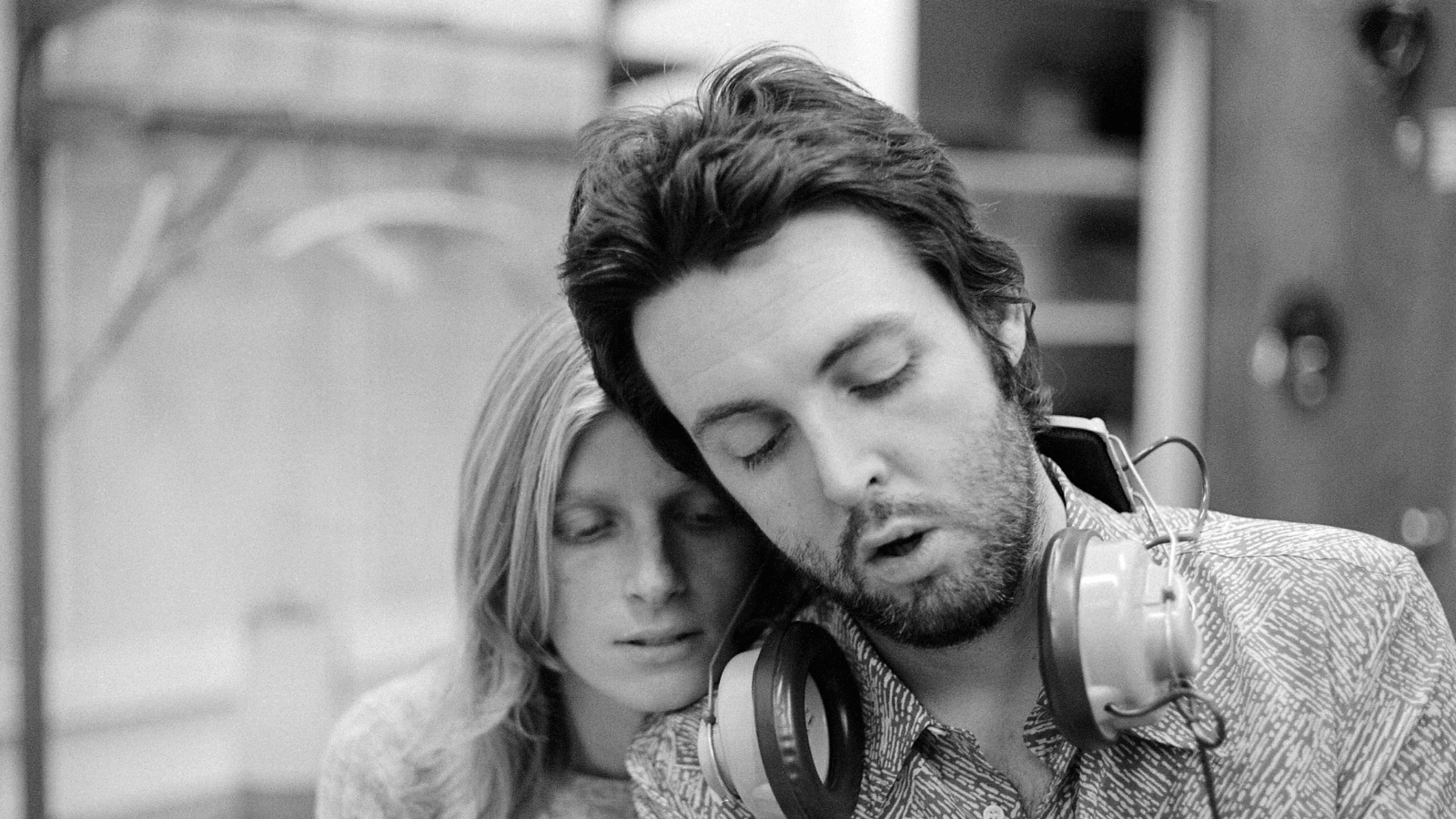
After correcting the widespread belief that McCartney broke up the band—Lennon unofficially left the group in 1969 before him, while the public was none the wiser—Neville looks at his self-imposed isolation at age 27. Man on the Run shows McCartney’s time on an isolated farm, where he, his wife Linda, and their two children escape the world’s fanatical obsession with the Beatles. There, they work the land, tend to sheep, and get identical haircuts, all while exploring McCartney’s musical interests and individual style. “My only plan is to grow up,” he tells one journalist. What begins with two solo albums of mixed reception turns into a new band, Wings, with seven studio albums released between 1971 and 1979. During that time, his work remained in the Beatles’ shadow, while his public and personal lives (and pot consumption) became hot topics in the media.
Neville and editor Alan Lowe construct a doc that puts biographical context behind McCartney’s later music, framing the never-ending questions from journalists about the Beatles against Wings’ “Live and Let Die,” for instance. Neville explores how McCartney’s output would forever be compared to his former band, while many ignored that his music with Wings was pure passion. Never mind critiques of Linda’s unpolished voice, which at times reminds me of Nico from the Velvet Underground. Paul and Linda admit she was there for her love, not raw talent. But that means their music was made and performed with that love, and their apparent on-stage joy is infectious. It’s a moving, exceptionally assembled film that views McCartney as an individual talent, not just one-fourth of something greater, and begs reconsideration of this underrated period in his music.
Thank You for Supporting Independent Film Criticism
If the work on DFR has added something meaningful to your love of movies, please consider supporting it.
Here are a few ways to show your support: make a one-time donation, join DFR’s Patreon for access to exclusive writing, or show your support in other ways.
Your contribution helps keep this site running independently. However you choose to support the site, please know that it’s appreciated.
Thank you for reading, and for making this work possible.
Brian Eggert | Critic, Founder
Deep Focus Review