Everyone’s a Critic: The Devaluation of Film Criticism
By Brian Eggert | September 15, 2026
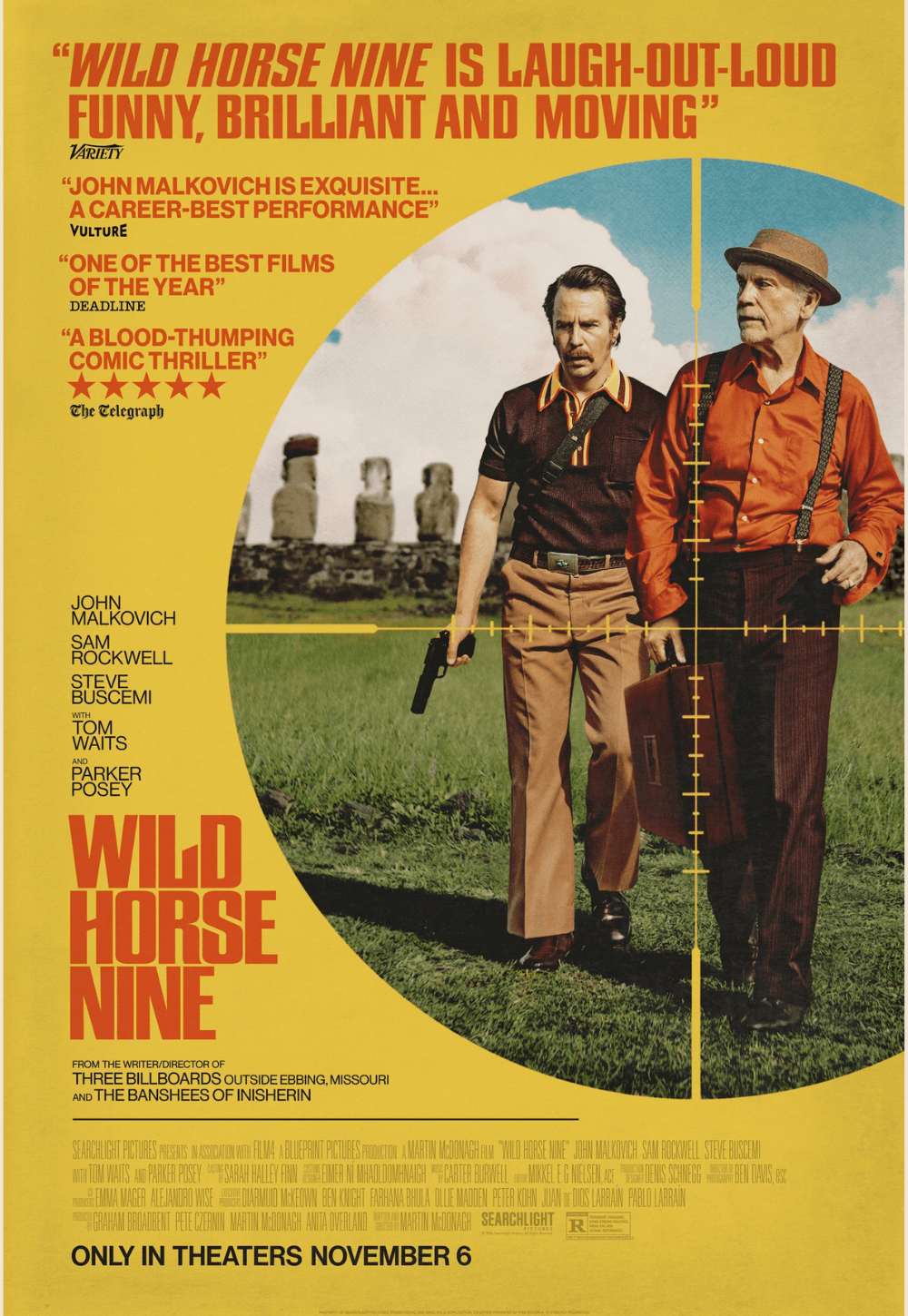
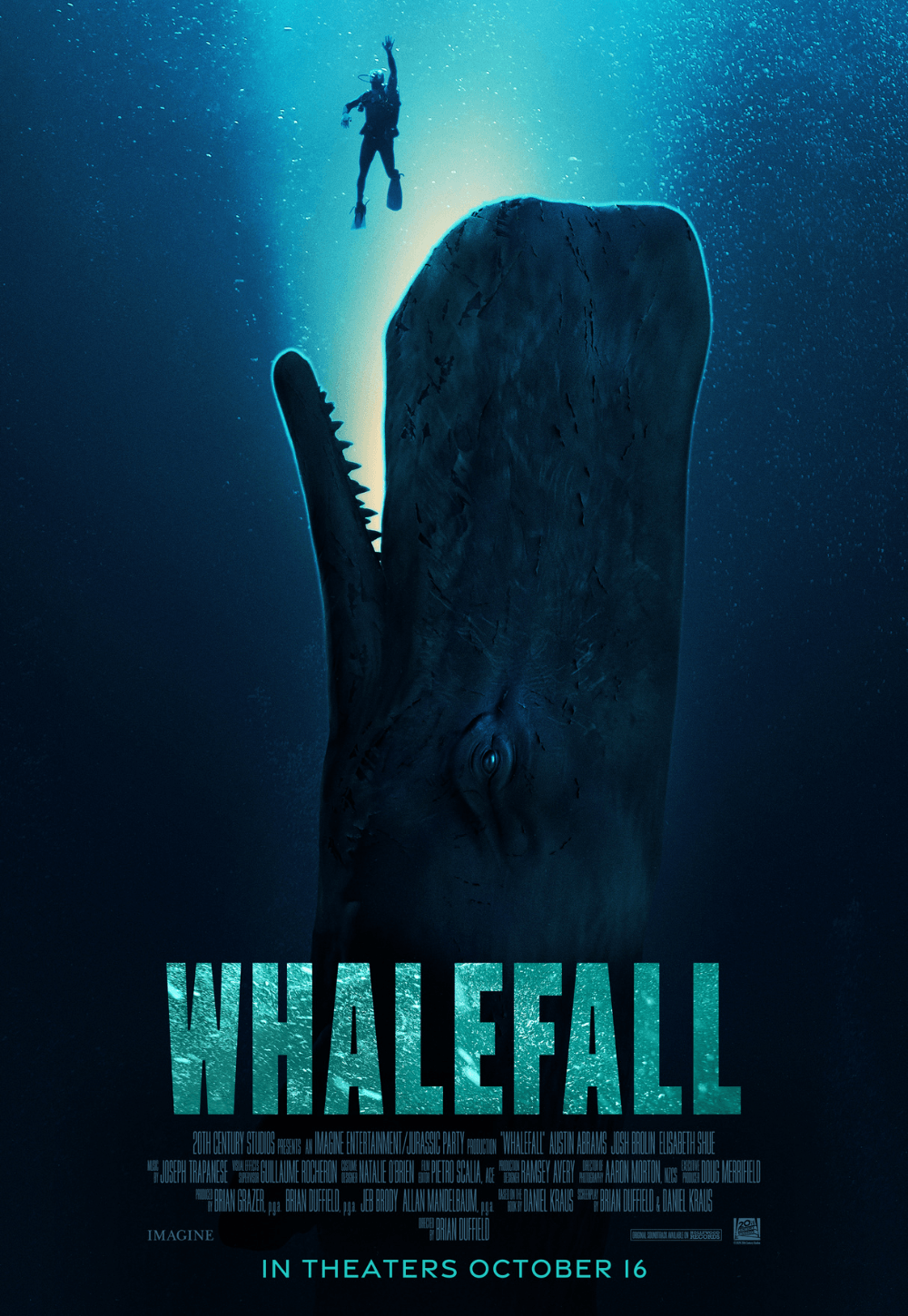
Film criticism is undergoing a major change right now. Over the last couple of years, studios have prioritized social media influencers and entertainment journalists over film critics, giving them more access to talent and promotional events tied to a film’s release while placing less emphasis on screenings for the reviewing press. And it’s easy to guess why. People in these roles often approach films with a level of hype that amounts to free advertising for studios, whereas a critical evaluation is an unknown; it could lead to an enthusiastic recommendation or an outright pan. I suspect this shift allows studios to control the narrative around their films and minimize any fallout that could affect a project’s box-office performance. That studios are more concerned with follower counts and publicity than cultural conversation is symptomatic of an increasingly corporatized industry, motivated more by revenue and fidelity to stockholders than creating good art. And given that I’ve devoted the last two decades to written online film criticism, the devaluation of reviewers in favor of engineered buzz is discouraging.
But as anyone familiar with film history can attest, if there’s one universal truth about cinema, it’s that the film industry has never stopped evolving. Many silent filmmakers in the late 1920s couldn’t imagine why anyone would want to incorporate dialogue into a motion picture, and those who couldn’t make the transition to sound were left behind. A couple of decades later, in the 1950s, studios faced a crisis as the television boom drove down box-office receipts; they responded by focusing on color and widescreen productions available only on the big screen. The downfall of the studio system, the rise of blockbusters, the advent of CGI, the dominance of streaming, the focus on IP, and now the introduction of AI—for better or worse, those who evolved with these changes have endured.
Similar paradigm shifts have also shaped film criticism. The first film writers emerged in the early twentieth century as an offshoot of stage criticism, since many considered cinema little more than filmed theater. They were highbrow, literary types who approached their work by sharing superior, erudite opinions on what was considered a lower form of art. But this gradually shifted after cinema became a more widely accepted pastime—popular, but also unique in its combination of photography, music, narrative, performance, and design. Criticism was largely a journalistic pursuit until well-regarded enthusiasts at France’s Cahiers du Cinéma (André Bazin, François Truffaut, Jean-Luc Godard, et al.) took a passionate but distinctly intellectual approach. Film academia became more common in scholarly circles as structural theorists explored how visual and auditory techniques could guide viewers in decoding meaning. Movies soon became recognized as texts for exploring themes of gender, power, genre, politics, and postcolonialism.
Around the 1970s, the rising celebrity of famous print and television reviewers (most famously Gene Siskel and Roger Ebert, Pauline Kael, and Andrew Sarris) helped popularize criticism and cultural tastemaking. Siskel and Ebert, in particular, faced backlash for their unprecedented popularity and their iconic movie-rating method. Other critics rated films using stars or letter grades. But Siskel and Ebert’s “Two Thumbs Up” became a convenient way to get a movie recommendation, even as it undermined the value of their own substantive film analysis. Why read a whole review when a gestured “Yes” or “No” recommendation will tell people whether they should see a movie? For many, such as Time magazine’s critic Richard Corliss, Siskel and Ebert’s popular format reduced complex movie analysis to trivial TV entertainment.
By the turn of the century, traditional criticism eroded even more. Rotten Tomatoes began aggregating critics’ reviews into a percentage with a “Fresh” or “Rotten” score around the same time that popular movie fan websites and amateur blogs further democratized criticism. After a perceivable gap emerged between how film critics and average moviegoers rate films, Rotten Tomatoes began compiling general moviegoer reviews on the “Popcornmeter” alongside its usual critical metric. The decision was fueled by the growing impression that traditional critics are pretentious and out of touch with popular opinion, rather than well-informed experts.
This depreciation of film criticism has only accelerated with the general decline in reading among younger generations in favor of digital alternatives. Voices on YouTube, podcasts, and social media amass thousands, even millions, of views and subscribers with their casual reviews and hasty reaction videos, despite often being untrained in journalism, criticism, aesthetics, or film studies. This is not to suggest that such formats cannot have insightful voices among them; I’ve found many critics in each format that I watch, listen to, and learn from regularly. And when creators migrate to these forms of new media criticism, it’s to their (and the studios’) advantage, given today’s stigma around expertise, which has spread to disciplines such as education, healthcare, history, and science. However, some of these creators avoid the word “critic,” seeing themselves more as “fans” who have opinions about movies. For some of them, “critic” is a pejorative word, and they distance themselves from any association with it.
Studios have recognized that more people engage with influencers and social media posts than with publications (both print and online) that still value written criticism. I’ve had conversations with fellow reviewers in the United States and around the world, and many have noticed that studios have deprioritized critics in their promotional campaigns. There are exceptions, of course. Critics from venerable publications in New York, Los Angeles, and Chicago remain vital. By contrast, smaller outlets and independent websites, even those featuring Tomatometer-approved critics, seem to have been downgraded by larger studios. Fortunately, smaller and independent distributors—A24, Janus Films, Neon, and Mubi among them—still understand that critics play a major role in evaluating a work of art, getting the word out, and, hopefully, contributing to or even shaping the conversation about a film.
As media outlets see the writing on the wall, they have begun widespread layoffs, both downgrading and eliminating film critic jobs. Siskel and Ebert’s respective papers, the Chicago Tribune and the Chicago Sun-Times, have sunset their full-time critic roles, and so has The Washington Post. Both of the major newspapers in my home state of Minnesota, the Pioneer Press and the Star Tribune, have removed reviewers from their staff. In most of these cases, the publications have filled these roles with syndicated pieces from national outlets such as The Associated Press. Many other regional papers have done the same.
Professional film criticism has also taken a hit from the popularity of Letterboxd, where everyone’s a critic. The movie-centric social platform has done wonders for reinvigorating cinema and physical media among younger generations, using its social media presence to create buzz for movies and, of course, its own platform. Users log the movies they see, rate them, and sometimes write reviews. The reviews are occasionally insightful, even resembling traditional criticism. But more often, they veer toward single-line assessments and jokey punchlines. On Letterboxd, yes, everyone’s a critic, but everyone’s also a stand-up comedian (a trend to which, admittedly, I am not entirely immune). Compared with the accessible, casual tone of many reviews on that platform, formal criticism can feel lengthy, self-important, and lofty, even outdated, causing readers to flock to Letterboxd over traditional critics.
With so many alternatives, many have lost sight of how criticism can help a viewer process their experience and understand different perspectives. But there’s also an informational aspect, because film critics regularly share insights grounded in film history, technique, and theory. This knowledge comes from formal training, but also from simply watching a more diverse range of films than the average moviegoer or non-professional reviewer. From that informed perspective, critics can better articulate the connections between films, place a film in its myriad contexts, argue for what the film was trying to achieve, and evaluate whether it succeeded. Still, many movie lovers prefer bite-sized criticism on social media because there’s less to process; it’s not so challenging or time-consuming. There’s nothing inherently wrong with consuming film criticism on social media or using Letterboxd for something other than amateur criticism (I tend to Letterboxd it as a tracker and promotional tool for my site). But for those of us committed to written criticism and longform analysis, the prospects look grim.
I would like to tell you that I’m optimistic about the future of film criticism, particularly my brand of writing. But all signs—from studios valuing influencers over critics to Letterboxd trivializing criticism in some circles—point to this kind of film criticism evolving into something different, arguably less rigorous than it was even a few years ago. Just as with film itself, those who evolve with the changes will survive and thrive. And to last, some believe the traditional film critic must adapt and become more accessible, downplaying the intellectual and analytical side of criticism in favor of a cultural conversation on the audience’s terms. I’ve even been advised more than once to switch from the written word to video-only or social reviews to stay relevant.
Lately, I’ve felt a bit like a dinosaur standing in a glade, wondering about that blazing object in the sky and why it keeps getting bigger. This is not to suggest I have a defeatist attitude, but I can’t ignore the problem, if one can call it that. Yet, I have no intention of updating my medium or methods, either. Even if my readership declines. Even if the zeitgeist’s primary thought leaders work on newer media platforms. Perhaps I’m being stubbornly old-fashioned or overly resistant to change, but I don’t intend to make a survive-at-all-costs adjustment. I love writing about movies. And I love getting messages from readers who watched a new movie because of my favorable review or discovered a classic because I wrote about it. As long as there’s a demand for written film criticism and people keep reading my work, I have no plans to change what I’m doing or how I do it, even if it means I’m courting obsolescence.
Brian Eggert
Critic, Essayist, Founder
Deep Focus Review
Thank You for Supporting Independent Film Criticism
If the work on DFR has added something meaningful to your love of movies, please consider supporting it.
Here are a few ways to show your support: make a one-time donation, join DFR’s Patreon for access to exclusive writing, or show your support in other ways.
Your contribution helps keep this site running independently. However you choose to support the site, please know that it’s appreciated.
Thank you for reading, and for making this work possible.
Brian Eggert | Critic, Founder
Deep Focus Review